

Virgin Galactic: The High Cost of a Few Minutes in Space
The dream of space travel, once confined to science fiction and the bold endeavors of national space agencies, is slowly becoming a reality for private citizens. Companies like Virgin Galactic are at the forefront of this new era, offering the chance to experience the unique sensation of weightlessness and gaze back at Earth from orbit. However, this extraordinary experience comes with an equally extraordinary price tag. Virgin Galactic is charging a substantial amount for its suborbital flights, raising questions about accessibility, the future of space tourism, and the sustainability of such ventures.
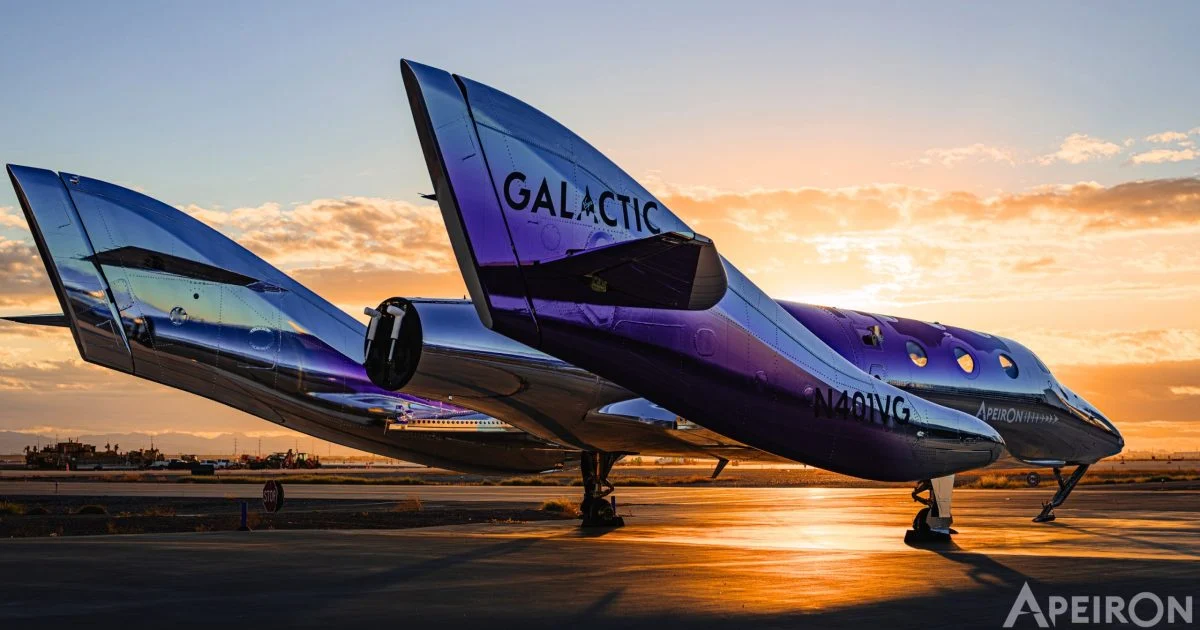
Virgin Galactic’s approach to space tourism involves a unique method of launch. Their spaceplane, named Apeiron, is carried to a high altitude by a carrier aircraft before being released. Once free, Apeiron’s rocket engine ignites, propelling it to the edge of space. Passengers then have a few precious minutes to experience weightlessness before the spaceplane begins its descent back to Earth. This method differs from traditional rocket launches and is designed to offer a smoother, more controlled experience for tourists.
The company’s latest spaceplane, Apeiron, represents a significant step forward from its predecessor, VSS Unity. Apeiron is designed to carry more passengers, increasing capacity from four to six. Furthermore, it is engineered for reduced maintenance between flights, a critical factor for achieving the company’s goal of conducting up to eight flights per month. This increased flight cadence is essential for scaling the business and making space tourism more frequent.
The Journey to “Almost Space”
Virgin Galactic’s flights reach an altitude of approximately 54.2 miles (87 kilometers). While this is below the internationally recognized Kármán line of 62 miles (100 kilometers), which is often considered the boundary of space, it is high enough to offer a truly unique perspective and the sensation of weightlessness. Passengers can unbuckle their restraints and float freely for about three to four minutes, a period that, despite its brevity, is the main draw for many. This brief window of zero gravity allows for an unparalleled experience of being untethered in the vastness of the cosmos.
The journey begins with the carrier plane lifting the spaceplane to around 44,500 feet. At this altitude, the spaceplane is released, and its rocket engine takes over. The ascent is rapid, pushing passengers towards the edge of space. The view from this altitude is often described as breathtaking, with the curvature of the Earth visible against the blackness of space. This visual spectacle, combined with the physical sensation of weightlessness, creates a profound and memorable experience for those fortunate enough to partake.
Who Can Afford the Ride?
The cost of a ticket for this experience is steep. Virgin Galactic has been quoting prices around $750,000 per seat. This figure places space tourism firmly in the realm of the ultra-wealthy, making it inaccessible to the vast majority of people. Despite the high cost, there is a surprising amount of demand. The company is preparing over 100 ticket holders for its initial flights, with an additional 600 people already in the queue. This indicates a strong desire among a segment of the population to experience spaceflight, even at such a premium.
The revenue generated from these ticket sales is substantial. With 600 people in the queue at $750,000 per seat, potential ticket sales represent hundreds of millions of dollars. This financial backing is crucial for Virgin Galactic as it works to scale its operations and achieve profitability. The company’s ability to attract and retain customers willing to pay such high prices is a testament to the allure of space travel.
The Future of Virgin Galactic’s Operations
Virgin Galactic anticipates commencing commercial flights in the second quarter of 2027. This timeline is subject to various factors, including the successful completion of flight testing for the new Delta-class spaceplane, Apeiron. The company is also developing a second Delta-class spaceplane, which is expected to be ready in the latter half of 2027. This expansion of its fleet is vital for increasing flight frequency and meeting the projected demand.
The competitive landscape for suborbital space tourism is evolving. With Blue Origin having paused its flights for an extended period, Virgin Galactic may find itself with a significant portion of the market to itself once its operations resume. This could provide a valuable window of opportunity for the company to solidify its position and establish a consistent revenue stream. However, the long-term success will depend on its ability to manage costs, maintain a strong safety record, and potentially find ways to make the experience more affordable in the future.
Challenges and Sustainability
The primary challenge for Virgin Galactic, and indeed for the entire nascent space tourism industry, is achieving profitability and long-term sustainability. Operating spacecraft is an incredibly expensive undertaking, involving advanced technology, rigorous safety protocols, and specialized infrastructure. The high ticket prices are a reflection of these costs, but they also limit the market size.
For Virgin Galactic to become a truly sustainable business, it will need to demonstrate that it can generate consistent profits from its operations. This may involve further cost reductions, increased flight frequency, or potentially exploring different revenue streams. The company’s focus on the Delta-class spaceplane, with its improved efficiency and passenger capacity, is a strategic move towards achieving these goals.
The Allure of Weightlessness
The appeal of experiencing weightlessness for a few minutes is undeniable. It is a sensation that very few people on Earth can experience, and it offers a unique perspective on our planet and our place in the universe. For many, it is a lifelong dream, a chance to step outside the ordinary and touch the extraordinary. The $750,000 price tag, while daunting, is seen by some as a worthwhile investment for such a profound experience.
The psychological impact of seeing Earth from space, often referred to as the “overview effect,” is also a significant draw. Astronauts have frequently reported profound shifts in their perspective after witnessing the Earth from orbit, seeing it as a fragile, interconnected whole without borders. While Virgin Galactic’s flights are suborbital, they still offer a glimpse of this transformative view.
The Economics of Space Tourism
The business model of space tourism is still in its early stages. Virgin Galactic’s current strategy relies on attracting a small number of very wealthy customers. This approach is common for pioneering industries, where initial costs are high and the market is limited. However, for the industry to mature and become more accessible, costs will eventually need to come down.
This reduction in cost will likely be driven by technological advancements, increased competition, and economies of scale. As more companies enter the space tourism market and develop more efficient spacecraft, the price of a ticket may eventually decrease. However, this is likely a long-term prospect, and for the foreseeable future, space travel will remain an exclusive experience.
Comparing Space Tourism Options
While Virgin Galactic focuses on suborbital flights, other companies are exploring different approaches to space tourism. Blue Origin, for instance, also offers suborbital flights with its New Shepard rocket. These flights provide a similar experience of weightlessness and a view of Earth from high altitude. The operational status of Blue Origin’s flights has varied, impacting the direct comparison of availability and frequency.
SpaceX, on the other hand, is developing capabilities for orbital space tourism with its Starship program. These missions would offer a much longer duration in space, potentially including stays on the International Space Station or even private space stations. The cost for such orbital missions is expected to be significantly higher than suborbital flights, further segmenting the market based on experience and budget.
The Role of Technology and Innovation
The development of reusable spacecraft has been a game-changer for the economics of spaceflight. Companies like Virgin Galactic and SpaceX are investing heavily in technologies that allow their vehicles to be used multiple times, significantly reducing the cost per flight compared to expendable rockets. The Delta-class spaceplane, Apeiron, is a prime example of this focus on reusability and efficiency.
Continued innovation in materials science, propulsion systems, and operational procedures will be key to making space travel more affordable and accessible. As these technologies mature, the dream of space tourism may become a reality for a broader segment of the population. However, the path from pioneering flights to mass market accessibility is often long and complex.
The Future Outlook
Virgin Galactic’s journey into space tourism is a bold one, pushing the boundaries of what is possible for private space exploration. The company’s success hinges on its ability to execute its flight plans, maintain a strong safety record, and navigate the complex financial landscape of the aerospace industry. The demand for its services appears to be present, but the challenge lies in translating that demand into a sustainable and profitable business.
For those who can afford it, the prospect of a few minutes of weightlessness and a unique view of Earth is an unparalleled adventure. For the rest of us, it remains a fascinating glimpse into the future, a future where the stars may one day be within reach for more than just a select few. The ongoing developments at Virgin Galactic and other space tourism companies will be closely watched as they shape the next chapter of human exploration. The company’s website, https://www.virgingalactic.com/, provides further details on their mission and progress.
Conclusion
Virgin Galactic’s venture into space tourism represents a significant milestone in the commercialization of space. The company’s ambitious plans, centered around its new Delta-class spaceplane, Apeiron, aim to offer regular suborbital flights to paying customers. While the price of admission, around $750,000 per seat, places this experience out of reach for most, the strong demand indicates a powerful allure for those who can afford it. The success of Virgin Galactic will depend on its ability to overcome the substantial financial and operational challenges inherent in the space industry, ultimately determining whether this exclusive dream can evolve into a more accessible reality.


Conversation
0 Comments