

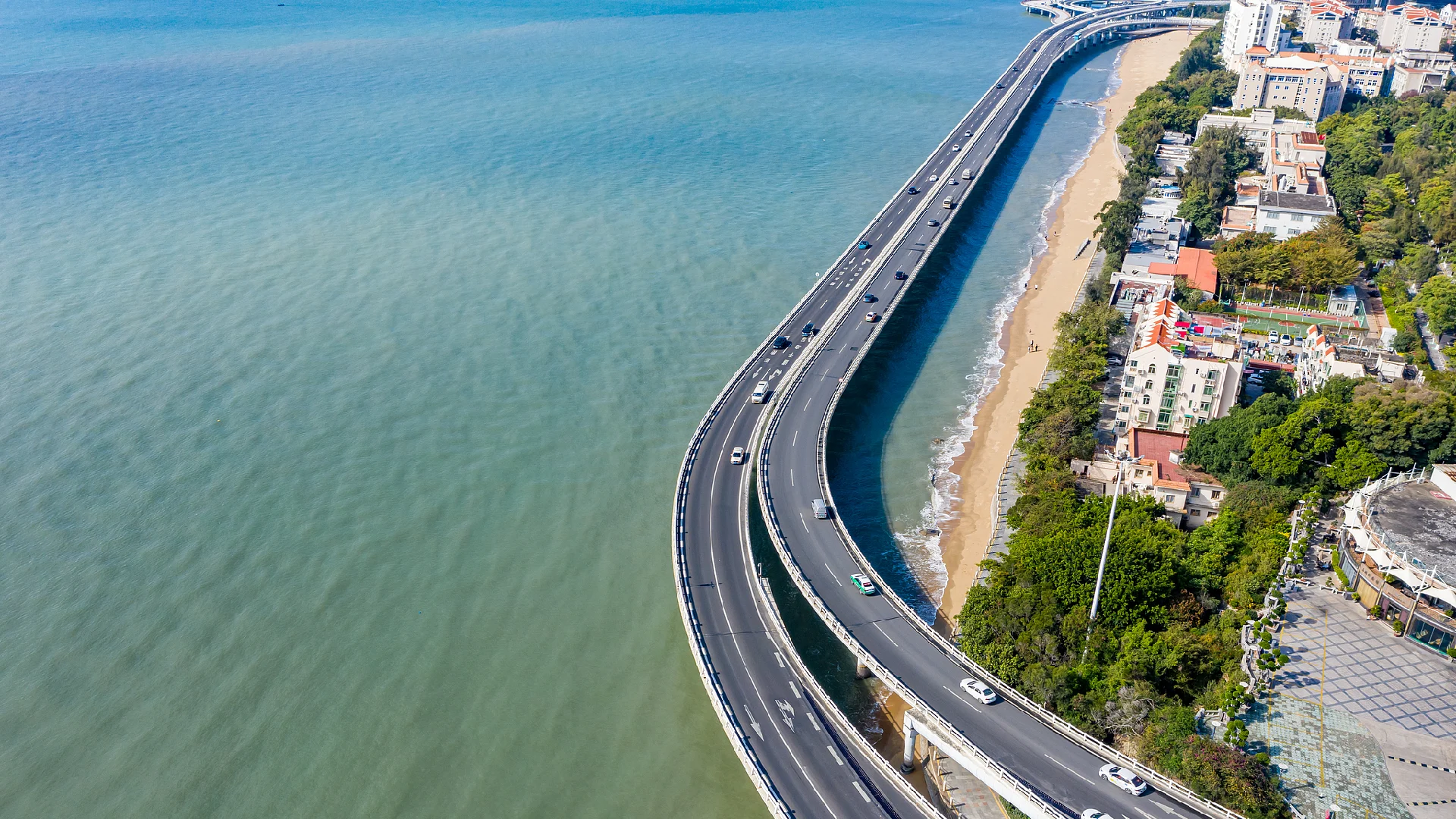
Xiamen’s Bid to Host the High Seas Treaty Secretariat: A Strategic Move for Global Ocean Governance
The world’s oceans are vast, mysterious, and increasingly vital to our planet’s health and human survival. Beyond national borders lies the high seas, a global commons that covers nearly two-thirds of the ocean’s surface. Protecting this immense area and its biodiversity is a monumental task, one that requires international cooperation and a strong governing framework. The recent entry into force of the High Seas Treaty, formally known as the Agreement under the UN Convention on the Law of the Sea on the Conservation and Sustainable Use of Marine Biological Diversity of Areas beyond National Jurisdiction (BBNJ Agreement), marks a significant step forward. As this treaty begins its implementation phase, the location of its Secretariat becomes a critical decision point. Xiamen, a coastal city in southeast China, is actively positioning itself to become the home of this crucial body, presenting a compelling case rooted in its existing marine research infrastructure, commitment to ocean governance, and tangible support.
The High Seas Treaty, which entered into force on January 17, 2026, is designed to address the urgent need for conservation and sustainable use of marine life in areas beyond national jurisdiction. Its scope is broad, encompassing the management of marine genetic resources, the establishment of area-based management tools, the implementation of environmental impact assessments for activities in the high seas, and the crucial areas of capacity-building and the transfer of marine technology. The Secretariat of this treaty will play a pivotal role in its day-to-day operations, going beyond mere logistical support for the Conference of the Parties. It will be responsible for organizing meetings, facilitating the sharing of vital implementation data, and coordinating efforts with other international organizations. The selection of the Secretariat’s host city is scheduled for the first meeting of the Conference of the Parties, set to take place in New York from January 11 to 22, 2027. Xiamen, nominated by China, faces competition from other well-qualified cities, including Brussels in Belgium and Valparaiso in Chile.
Xiamen’s bid is not merely a hopeful aspiration; it is built on a solid foundation of established strengths and a clear vision for its role in global ocean governance. The city’s deep commitment to marine science and research is a cornerstone of its appeal. Xiamen is already a hub for marine expertise, hosting a substantial community of nearly 5,000 researchers and operating approximately 30 advanced science and technology platforms dedicated to oceanographic studies. This concentration of scientific talent and resources provides an immediate and robust ecosystem for the High Seas Treaty Secretariat to draw upon and contribute to. Furthermore, Xiamen is home to significant international and regional marine organizations, such as the APEC Marine Sustainable Development Center and the China-ASEAN Maritime Cooperation Center. These existing institutions demonstrate the city’s capacity to host and support international bodies focused on ocean-related issues, fostering collaboration and knowledge exchange.
The city’s long-standing engagement with ocean-related events further strengthens its candidacy. Xiamen has been hosting its annual World Ocean Week for two consecutive decades, an event that has consistently attracted a large and diverse audience, drawing over 2 million participants throughout its history. This sustained commitment to raising awareness and fostering dialogue about ocean conservation and governance highlights Xiamen’s dedication to the principles enshrined in the High Seas Treaty. Such a track record indicates not only a deep understanding of the issues but also a proven ability to organize and manage large-scale international events and initiatives related to the marine environment.
Beyond its existing infrastructure and track record, China has put forward concrete and substantial offers to support Xiamen’s hosting of the Secretariat. This includes the provision of a fully equipped, 15-story office building, along with two supporting structures, all offered free of charge on a long-term basis. This significant commitment addresses the practical needs of establishing and operating an international secretariat, removing potential financial barriers for the host city and the treaty organization. Moreover, Beijing has pledged $3 million to a voluntary trust fund specifically designed to assist representatives from developing countries in attending meetings. This financial support is crucial for ensuring equitable participation in global ocean governance, a key objective of the High Seas Treaty. Additional contributions are also planned for a capacity-building fund, further underscoring China’s commitment to empowering developing nations in their engagement with marine conservation and sustainable use.
The importance of Xiamen’s bid extends beyond its own merits; it reflects a broader understanding of the challenges and opportunities in global ocean governance. For developing countries, meaningful participation in international decision-making processes concerning the oceans often requires more than just a seat at the table. It necessitates access to scientific expertise, financial resources, and robust international cooperation mechanisms. If selected as the host city, Xiamen aims to provide precisely this kind of conducive environment. The city’s proposal envisions a space where the needs of developing nations are met, enabling them to actively contribute to and benefit from the treaty’s ambitious goals. This focus on inclusivity and practical support aligns perfectly with the spirit and objectives of the High Seas Treaty, aiming to translate global aspirations into tangible, collaborative action.
The High Seas Treaty: A New Era for Ocean Protection
The High Seas Treaty, officially the BBNJ Agreement, represents a landmark achievement in international environmental law. For decades, the vast expanses of the ocean beyond national jurisdiction were largely unprotected, creating a governance gap that threatened marine biodiversity and the health of the planet. The treaty, adopted in 2017 and entering into force in 2026, aims to fill this gap by establishing a framework for the conservation and sustainable use of marine biological diversity in these critical areas. Its entry into force was a moment of celebration for conservationists and international policymakers alike, signaling a renewed global commitment to protecting the world’s oceans.
The treaty’s significance lies in its comprehensive approach. It addresses several key areas that were previously underserved by international law. One of the most important aspects is the protection of marine genetic resources (MGRs). These are genetic materials found in marine organisms in the high seas, which hold immense potential for scientific research, medicine, and biotechnology. The treaty establishes a framework for their fair and equitable sharing, ensuring that the benefits derived from them are shared with all parties, particularly developing countries. This addresses concerns about potential exploitation and promotes a more just system for accessing and utilizing these valuable resources.
Another critical component of the treaty is the establishment of area-based management tools (ABMTs), including marine protected areas (MPAs). These tools allow for the designation of specific regions in the high seas for conservation purposes, enabling targeted efforts to protect vulnerable ecosystems and species. The creation of MPAs in the high seas is a complex undertaking, requiring scientific justification, international consensus, and effective monitoring and enforcement. The treaty provides the legal basis and procedural framework for developing and implementing such measures, which are essential for safeguarding biodiversity hotspots and critical habitats.
Environmental impact assessments (EIAs) are also a central feature of the High Seas Treaty. Before any activity is undertaken in the high seas that could potentially harm the marine environment, an EIA must be conducted. This process involves evaluating the potential environmental consequences of a proposed activity and proposing measures to avoid, minimize, or mitigate any negative impacts. The treaty mandates that these assessments be thorough and transparent, involving relevant stakeholders and considering the best available scientific information. This proactive approach is vital for preventing irreversible damage to the marine environment.
Finally, the treaty places a strong emphasis on capacity-building and the transfer of marine technology. Recognizing that many developing countries lack the resources and expertise to effectively participate in ocean conservation and sustainable use, the treaty aims to provide them with the necessary support. This includes training programs, financial assistance, and the sharing of scientific knowledge and technological advancements. By strengthening the capacity of developing nations, the treaty promotes a more equitable and effective global approach to ocean governance.
The establishment of a Secretariat to support the treaty’s implementation is therefore paramount. This body will serve as the administrative and operational hub, coordinating activities, facilitating communication, and ensuring the smooth functioning of the treaty’s various mechanisms. The choice of location for this Secretariat is not merely a matter of logistics; it is a strategic decision that can significantly influence the treaty’s effectiveness and its ability to foster global cooperation.
Why Xiamen’s Location Matters for the High Seas Treaty Secretariat
The selection of a host city for the High Seas Treaty Secretariat is a decision with far-reaching implications. The Secretariat’s role extends beyond administrative functions; it is expected to be a central node for coordination, communication, and the dissemination of critical information related to the treaty’s implementation. Its location can influence accessibility, foster collaboration with research institutions, and project an image of commitment to ocean governance. Xiamen’s bid is underpinned by several factors that make it a particularly suitable candidate.
Firstly, Xiamen’s established strength in marine research and technology provides a fertile ground for the Secretariat. The city is home to a significant concentration of marine scientists and research institutions, including nearly 5,000 researchers and 30 science and technology platforms. This existing ecosystem of expertise can offer invaluable support to the Secretariat, facilitating access to cutting-edge research, data analysis, and scientific advice. Such a close proximity to scientific knowledge is essential for informed decision-making and effective implementation of the treaty’s provisions, particularly concerning marine genetic resources and environmental impact assessments.
Secondly, Xiamen’s experience in hosting international marine-related events and organizations demonstrates its capacity to manage and support global governance initiatives. The city’s annual World Ocean Week, now in its 20th year, has a proven track record of attracting international participation and fostering dialogue on ocean issues. Furthermore, Xiamen hosts key organizations like the APEC Marine Sustainable Development Center and the China-ASEAN Maritime Cooperation Center. These existing institutions provide a framework for international collaboration and demonstrate Xiamen’s ability to serve as a hub for regional and global ocean governance efforts.
Thirdly, China’s substantial offer of resources and financial support for Xiamen’s bid is a significant factor. The provision of a fully equipped office building and supporting facilities free of charge on a long-term basis addresses a major practical requirement for establishing a Secretariat. This commitment reduces the financial burden on the treaty itself and ensures that resources can be directed towards the treaty’s core objectives. Additionally, China’s pledges to support developing countries through a voluntary trust fund and a capacity-building fund are crucial for promoting equitable participation and ensuring that the treaty’s benefits are shared globally. This financial commitment underscores China’s dedication to the success of the High Seas Treaty and its role in fostering international cooperation.
The strategic location of Xiamen, a major port city on China’s southeastern coast, also offers logistical advantages. Its well-developed transportation infrastructure, including an international airport and port facilities, facilitates travel and connectivity for delegates and staff. This accessibility is important for ensuring regular meetings and efficient operations of the Secretariat.
Finally, Xiamen’s bid aligns with the broader objective of promoting inclusive and effective global ocean governance. By offering a supportive environment for developing countries to engage in scientific research, capacity-building, and policy-making, Xiamen aims to foster a more equitable and collaborative approach to ocean conservation. This commitment to empowering developing nations is a critical aspect of the High Seas Treaty’s mission and makes Xiamen a compelling choice for hosting its Secretariat.
Xiamen’s Strengths in Marine Research and Innovation
Xiamen’s claim to host the High Seas Treaty Secretariat is significantly bolstered by its robust and long-standing commitment to marine research and innovation. The city has cultivated a rich environment for scientific inquiry into the oceans, making it a natural fit for an organization dedicated to the conservation and sustainable use of marine biodiversity. This dedication is not a recent development but rather a sustained effort that has positioned Xiamen as a leading center for marine science in China and beyond.
At the heart of Xiamen’s strength is its substantial pool of scientific talent. The city is home to nearly 5,000 researchers actively engaged in various fields of marine science. This includes marine biology, oceanography, marine ecology, fisheries science, and marine biotechnology, among others. This critical mass of expertise allows for interdisciplinary collaboration and the tackling of complex ocean-related challenges from multiple angles. These researchers are not isolated but are integrated into a network of institutions that foster knowledge creation and application.
The presence of approximately 30 science and technology platforms further underscores Xiamen’s commitment to advancing marine research. These platforms likely include state-of-the-art laboratories, research vessels, monitoring stations, and specialized facilities for studying marine ecosystems, genetic resources, and environmental changes. Such infrastructure is essential for conducting high-quality research, collecting data, and developing innovative solutions for ocean conservation. For the High Seas Treaty Secretariat, access to these resources would mean a direct connection to the scientific knowledge base required for informed decision-making and policy development.
Xiamen’s role as the host of the APEC Marine Sustainable Development Center is another significant advantage. This center serves as a platform for cooperation among Asia-Pacific Economic Cooperation (APEC) economies to promote sustainable marine development. Its presence in Xiamen signifies the city’s capacity to host and manage international bodies focused on marine issues, fostering collaboration and knowledge sharing across a broad region. The center’s work likely involves research, policy recommendations, and capacity-building initiatives related to marine resource management, aligning closely with the objectives of the High Seas Treaty.
Similarly, the China-ASEAN Maritime Cooperation Center in Xiamen highlights the city’s strategic importance in regional maritime affairs. This center facilitates cooperation between China and the Association of Southeast Asian Nations (ASEAN) on various maritime issues, including environmental protection, safety, and sustainable development. Its presence reinforces Xiamen’s role as a key player in international maritime cooperation and demonstrates its ability to bridge different regional interests and foster collaborative solutions.
The city’s commitment to marine research is also reflected in its educational institutions. Universities in Xiamen likely offer specialized programs in marine sciences, producing a steady stream of qualified graduates who contribute to the research community and the broader marine sector. This continuous influx of talent ensures the long-term sustainability of Xiamen’s marine research capabilities.
The integration of these elements—a large and skilled research workforce, advanced technological platforms, and established international cooperation centers—creates a unique and powerful ecosystem for marine science and governance. For the High Seas Treaty Secretariat, being located in Xiamen would mean immediate access to this rich environment, facilitating its work in areas such as scientific advice for marine protected areas, environmental impact assessments, and the equitable sharing of marine genetic resources. This deep-seated expertise makes Xiamen a compelling choice for a body tasked with overseeing the protection of the world’s most vital, yet vulnerable, marine commons.
Xiamen’s Commitment to Ocean Governance and Sustainable Development
Xiamen’s aspiration to host the High Seas Treaty Secretariat is deeply rooted in its sustained commitment to ocean governance and sustainable development. This commitment is not merely rhetorical; it is demonstrated through consistent action, long-term initiatives, and a proactive approach to addressing the challenges facing the world’s oceans. The city’s history of engagement with marine issues provides a strong foundation for its suitability as a steward of a treaty aimed at protecting the global marine commons.
A cornerstone of Xiamen’s commitment is its annual World Ocean Week. This event, which has been held for 20 consecutive years, serves as a vital platform for raising awareness, fostering dialogue, and promoting action on ocean conservation and sustainable use. Drawing over 2 million participants throughout its history, World Ocean Week has become a significant international gathering, bringing together scientists, policymakers, industry representatives, and the public to discuss critical ocean issues. This sustained engagement demonstrates Xiamen’s dedication to keeping ocean governance at the forefront of international discourse and its capacity to organize and host large-scale, impactful events.
The city’s hosting of the APEC Marine Sustainable Development Center further solidifies its role in regional and global ocean governance. This center works to promote sustainable practices in the marine sector across the APEC region, addressing issues such as fisheries management, marine pollution, and coastal zone development. By supporting such a center, Xiamen signals its commitment to collaborative approaches to ocean management and its ability to facilitate international cooperation on these complex issues. The center’s work likely involves research, policy development, and capacity-building, all of which are directly relevant to the objectives of the High Seas Treaty.
Similarly, the presence of the China-ASEAN Maritime Cooperation Center in Xiamen underscores the city’s strategic importance in maritime affairs and its dedication to fostering regional partnerships. This center plays a crucial role in promoting cooperation between China and ASEAN member states on a range of maritime issues, including environmental protection, maritime safety, and sustainable resource management. Its location in Xiamen highlights the city’s capacity to serve as a nexus for dialogue and collaboration between different nations and organizations involved in ocean governance.
Xiamen’s own development policies also reflect a strong emphasis on sustainability and environmental protection, particularly concerning its marine environment. As a coastal city, Xiamen is acutely aware of the importance of healthy oceans for its economy, its environment, and the well-being of its citizens. This awareness translates into policies and initiatives aimed at reducing pollution, protecting marine habitats, and promoting sustainable economic activities such as eco-tourism and responsible aquaculture. This local commitment to sustainable development provides a strong example and a supportive context for the global mission of the High Seas Treaty.
The city’s proactive approach to environmental stewardship, coupled with its established international platforms and consistent engagement with ocean issues, positions it as a credible and capable host for the High Seas Treaty Secretariat. Xiamen’s bid is not just about providing facilities; it is about offering a home to an organization that embodies a shared commitment to the future health of our planet’s oceans. This deep-seated dedication to ocean governance and sustainable development makes Xiamen a compelling choice for a treaty that seeks to ensure the long-term vitality of the global marine commons.
China’s Concrete Support for Xiamen’s Bid
China’s commitment to securing the High Seas Treaty Secretariat for Xiamen is underscored by substantial and concrete offers of support. These pledges go beyond mere diplomatic backing, providing tangible resources and financial commitments designed to ensure the Secretariat’s successful establishment and operation. This level of support demonstrates China’s serious intent and its dedication to playing a leading role in global ocean governance.
A key element of China’s offer is the provision of infrastructure. The nation has pledged a fully equipped, 15-story office building, along with two supporting buildings, to be provided to the Secretariat on a long-term, rent-free basis. This is a significant contribution that addresses the fundamental need for physical space and operational facilities. Such an offer alleviates a major logistical and financial burden, allowing the Secretariat to focus its resources on its core mandate rather than on securing and maintaining office space. The buildings are described as fully equipped, suggesting they will be ready for immediate occupancy, further streamlining the establishment process.
Beyond infrastructure, China has made significant financial commitments to support the treaty’s implementation and ensure inclusive participation. Beijing has pledged $3 million to a voluntary trust fund. This fund is specifically earmarked to assist representatives from developing countries in attending meetings and participating effectively in the treaty’s processes. This is a crucial contribution, as equitable participation is a cornerstone of the High Seas Treaty. By helping to cover travel, accommodation, and other expenses for delegates from developing nations, China is actively working to ensure that all voices can be heard and that the treaty benefits from diverse perspectives.
Furthermore, China has indicated further contributions to a capacity-building fund. This fund is designed to provide developing countries with the technical expertise, training, and resources needed to implement the treaty’s provisions and engage in marine conservation and sustainable use activities. Capacity-building is essential for translating the treaty’s ambitious goals into practical action on the ground, particularly in regions that may lack the necessary resources or technical know-how. China’s commitment to this fund demonstrates a long-term vision for empowering developing nations and fostering a truly global effort to protect the high seas.
These concrete offers of infrastructure, financial support for participation, and investment in capacity-building highlight China’s comprehensive approach to supporting the High Seas Treaty. They demonstrate a willingness to invest not only in the physical establishment of the Secretariat but also in the broader success of the treaty’s mission. By providing these resources, China is signaling its commitment to being a reliable partner in global ocean governance and is making Xiamen a highly attractive and practical choice for hosting the Secretariat. This robust support package is a testament to China’s understanding of the challenges involved in implementing such a landmark international agreement and its dedication to facilitating its success.
The Role of the Secretariat and Xiamen’s Vision
The Secretariat of the High Seas Treaty is poised to become a central pillar in the global effort to conserve and sustainably use marine biodiversity in areas beyond national jurisdiction. Its functions will be multifaceted, encompassing administrative, logistical, and coordination roles that are essential for the treaty’s effective implementation. The choice of host city for this vital body is therefore a strategic decision that can significantly impact its operational efficiency, its ability to foster collaboration, and its overall success. Xiamen’s vision for hosting the Secretariat is centered on creating a conducive environment that supports these critical functions and advances the treaty’s ambitious goals.
The primary role of the Secretariat will be to provide organizational and administrative support for the Conference of the Parties (COP) and other bodies established under the treaty. This includes managing meeting logistics, preparing documentation, and facilitating communication among member states and relevant stakeholders. The Secretariat will also be responsible for collecting, processing, and disseminating information related to the treaty’s implementation, such as data on marine genetic resources, environmental impact assessments, and the establishment of marine protected areas. This function is crucial for ensuring transparency, accountability, and informed decision-making.
Furthermore, the Secretariat will play a key role in coordinating activities with other international organizations and bodies involved in ocean governance. This includes fostering collaboration with organizations such as the International Maritime Organization (IMO), the Food and Agriculture Organization of the United Nations (FAO), and regional fisheries management organizations. By acting as a central point of contact and coordination, the Secretariat can help to avoid duplication of efforts, promote synergies, and ensure a coherent approach to ocean management.
Xiamen’s vision for hosting the Secretariat is to create an environment that not only facilitates these operational functions but also actively contributes to the treaty’s broader objectives. The city aims to provide a space where the needs of all parties, particularly developing countries, are met. This includes ensuring access to scientific expertise, technological resources, and opportunities for international cooperation. By fostering an inclusive and supportive atmosphere, Xiamen seeks to empower developing nations to participate meaningfully in global ocean governance and to benefit equitably from the conservation and sustainable use of marine resources.
The city’s proposal emphasizes creating a hub for dialogue, research, and practical collaboration. This would involve leveraging Xiamen’s existing strengths in marine science and technology, as well as its experience in hosting international events and organizations. The aim is to establish a Secretariat that is not just an administrative office but a dynamic center that actively promotes the treaty’s goals and fosters a global community dedicated to ocean protection.
Xiamen’s commitment to providing state-of-the-art facilities, coupled with its strategic location and its deep understanding of the challenges and opportunities in ocean governance, positions it as an ideal host for the High Seas Treaty Secretariat. The city’s vision aligns perfectly with the treaty’s aspirations to create a more equitable, effective, and collaborative framework for protecting the world’s shared marine heritage. By offering a supportive and resource-rich environment, Xiamen aims to ensure that the Secretariat can effectively serve its purpose and contribute to a healthier future for our oceans.
Conclusion
The High Seas Treaty represents a monumental step forward in humanity’s collective effort to safeguard the planet’s oceans. As this landmark agreement moves from negotiation to implementation, the establishment of its Secretariat becomes a critical juncture. Xiamen’s bid to host this vital body is a testament to its deep-seated commitment to marine science, its proven capacity for international cooperation, and its concrete offers of support. The city’s robust research infrastructure, its long history of engaging in ocean governance initiatives, and China’s substantial financial and logistical pledges collectively present a compelling case. By aiming to provide a conducive environment that prioritizes equitable participation and practical collaboration, Xiamen offers a vision that aligns perfectly with the High Seas Treaty’s ambitious goals. The selection of Xiamen as the home of the Secretariat would not only provide a functional base but would also imbue the treaty’s operations with a spirit of dedication and forward-thinking stewardship, crucial for protecting the vast and vital marine ecosystems that lie beyond national jurisdiction for generations to come.



Conversation
0 Comments