

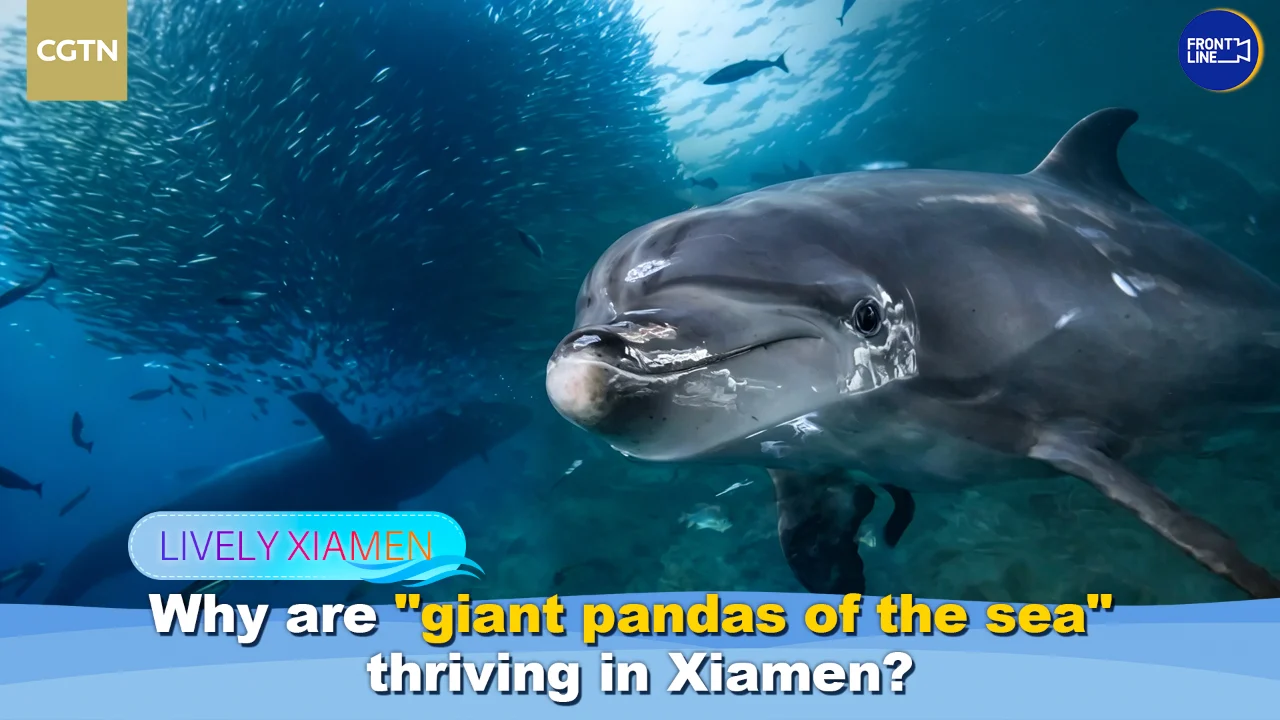
The Thriving Chinese White Dolphins of Xiamen: A Model for Marine Conservation
The ocean, a vast and mysterious expanse, is home to an incredible diversity of life. Among its most captivating inhabitants are the Chinese white dolphins, often affectionately called the “giant pandas of the sea.” These graceful marine mammals, known for their distinctive pinkish hue, are a symbol of healthy coastal ecosystems. In Xiamen, a bustling coastal city in southeast China’s Fujian Province, these dolphins are not just surviving but thriving, thanks to dedicated conservation efforts. This success story offers valuable insights into how human intervention and ecological restoration can create a sanctuary for endangered species.
The Chinese white dolphin (Sousa chinensis) faces numerous threats across its range, including habitat loss, pollution, and overfishing. However, the waters around Xiamen have become a haven, demonstrating a remarkable turnaround for the species. This article will explore the reasons behind their flourishing population in Xiamen, the challenges they still face, and the innovative strategies employed by local authorities and conservationists to ensure their continued well-being. We will examine the critical role of ecological restoration, the impact of rescue teams, and the broader implications of Xiamen’s conservation model for marine life worldwide.
Understanding the Chinese White Dolphin
The Chinese white dolphin is a fascinating marine creature that inhabits coastal waters of the Indo-Pacific region. Its most striking feature is its coloration, which ranges from grey in juveniles to a vibrant pink or white in adults, a characteristic that has earned it the “pink dolphin” moniker and the comparison to the beloved giant panda. These dolphins are highly social animals, often seen in pods, and are known for their playful behavior. They are also an indicator species, meaning their health and population numbers reflect the overall health of their marine environment.
Physical Characteristics and Behavior
Adult Chinese white dolphins typically measure between 2 to 3 meters (6.5 to 10 feet) in length and can weigh up to 260 kilograms (570 pounds). Their long snout, robust body, and distinct dorsal fin are key identifying features. Their diet consists mainly of fish, which they hunt using echolocation, a biological sonar system that allows them to navigate and locate prey in murky waters. They are known to be active during the day and night, often engaging in acrobatic leaps and synchronized swimming within their pods.
Habitat and Distribution
These dolphins prefer shallow, coastal waters, estuaries, and bays, areas that are unfortunately also prone to significant human activity. Their distribution spans from the southern coast of China, including Taiwan and Hong Kong, down through Southeast Asia and parts of the Indian Ocean. However, populations have declined in many areas due to environmental pressures. The waters around Xiamen, with their specific geographical and ecological conditions, have proven to be particularly suitable for their survival and reproduction.
Conservation Status and Threats
The Chinese white dolphin is listed as endangered by the International Union for Conservation of Nature (IUCN). The primary threats to their survival include:
- Habitat Degradation: Coastal development, dredging, and the construction of ports and infrastructure lead to the destruction and fragmentation of their natural habitats.
- Pollution: Chemical runoff from agriculture and industrial waste, as well as plastic pollution, contaminate their feeding grounds and can cause direct harm or illness.
- Overfishing and Bycatch: Unsustainable fishing practices, such as the use of gillnets, can result in dolphins becoming entangled and drowning, a phenomenon known as bycatch.
- Noise Pollution: Increased maritime traffic and underwater construction generate noise that can disrupt dolphin communication, navigation, and foraging.
Despite these widespread threats, the Xiamen population has shown resilience, highlighting the effectiveness of targeted conservation strategies in specific locations.
Xiamen’s Coastal Ecosystem: A Haven for Dolphins
Xiamen’s success in fostering a thriving Chinese white dolphin population is not accidental. It is the result of a concerted and sustained effort to protect and restore its coastal environment. The city’s unique geographical features and its commitment to ecological preservation have created an ideal sanctuary for these marine mammals.
Geographical Advantages
Xiamen, an island city, is surrounded by waters that offer a rich source of food for the dolphins. The presence of mangrove forests and other coastal wetlands provides essential nursery grounds for fish, which in turn sustain the dolphin population. The relatively clear waters, compared to some other heavily industrialized coastal areas, also contribute to a healthier marine environment. The city’s strategic location, with its natural harbors and bays, offers sheltered areas where dolphins can feed, breed, and raise their young away from the harshest open-sea conditions.
The Role of Ecological Restoration
A cornerstone of Xiamen’s conservation success is its commitment to ecological restoration. Recognizing the damage caused by past development, authorities have invested heavily in improving the marine environment. This includes:
- Wetland Protection and Restoration: Efforts have been made to protect and expand mangrove areas, which serve as vital habitats for fish and invertebrates, the primary food sources for dolphins. Restoring degraded wetlands helps to improve water quality and biodiversity.
- Pollution Control: Stricter regulations on industrial discharge and improved waste management systems have significantly reduced the amount of pollutants entering the sea. This has led to cleaner waters, benefiting not only the dolphins but the entire marine ecosystem.
- Sustainable Fisheries Management: Initiatives to promote sustainable fishing practices and reduce bycatch have been implemented. This includes educating local fishermen and encouraging the use of fishing gear that is less likely to entangle dolphins.
These restoration efforts create a more robust and resilient ecosystem, capable of supporting a larger and healthier dolphin population.
Dedicated Conservation Efforts in Xiamen
Beyond ecological restoration, Xiamen has implemented specific programs and initiatives focused directly on the protection of Chinese white dolphins. These efforts involve a multi-faceted approach, combining scientific research, rescue operations, and public awareness campaigns.
Marine Rescue and Rehabilitation Centers
Xiamen has established dedicated marine rescue and rehabilitation centers staffed by trained professionals and volunteers. These centers play a critical role in responding to stranded or injured dolphins.
- Emergency Response: When a dolphin is found stranded on a beach or injured at sea, rescue teams are dispatched immediately. Their swift action can mean the difference between life and death for the animal.
- Veterinary Care: Rescued dolphins receive specialized veterinary care, including medical treatment for injuries, diseases, and malnutrition.
- Rehabilitation and Release: After recovery, the dolphins are rehabilitated in controlled environments to ensure they can survive back in the wild. Successful rehabilitation leads to their release back into their natural habitat, often with tracking devices to monitor their progress.
These centers not only save individual lives but also provide valuable data on the health and threats facing the dolphin population.
Scientific Research and Monitoring
Understanding the dolphin population is crucial for effective conservation. Xiamen actively supports scientific research and monitoring programs.
- Population Surveys: Regular surveys are conducted to estimate the size and distribution of the Chinese white dolphin population in Xiamen’s waters. This helps track population trends and assess the effectiveness of conservation measures.
- Behavioral Studies: Researchers study dolphin behavior, including feeding patterns, social structures, and migration routes, to better understand their needs and the challenges they face.
- Health Assessments: Dolphins are monitored for signs of disease, stress, and the impact of environmental pollutants. This data informs public health advisories and environmental protection policies.
This scientific foundation allows conservationists to make informed decisions and adapt their strategies as needed.
Public Awareness and Education
Engaging the local community and the wider public is essential for long-term conservation success. Xiamen has invested in various initiatives to raise awareness about the importance of protecting Chinese white dolphins and their habitat.
- Educational Programs: Schools and community centers often host workshops and presentations about marine life and conservation. These programs aim to instill a sense of responsibility and stewardship among younger generations.
- Citizen Science: Encouraging citizens to report sightings of dolphins or any signs of distress helps conservation teams gather valuable data and respond more quickly to emergencies.
- Media Campaigns: Local media outlets play a role in disseminating information about conservation efforts and the importance of protecting marine biodiversity.
By fostering a greater appreciation for these magnificent creatures, Xiamen builds a strong base of public support for its conservation initiatives.
Challenges and Future Outlook
Despite the remarkable success in Xiamen, the future of Chinese white dolphins is not without its challenges. Continued vigilance and adaptation of conservation strategies are necessary to ensure their long-term survival.
Persistent Threats
While Xiamen has made significant strides, certain threats remain. Coastal development continues to be a concern, with ongoing projects potentially impacting dolphin habitats. Maritime traffic, though regulated, still poses risks of collisions and noise pollution. Furthermore, the interconnectedness of marine ecosystems means that pollution and overfishing in adjacent areas can still affect Xiamen’s dolphin population.
The Need for Regional Cooperation
The long-term survival of Chinese white dolphins depends on coordinated efforts across their entire range. While Xiamen serves as an excellent example, conservation initiatives need to be scaled up and replicated in other coastal regions. This requires collaboration between different cities, provinces, and even countries to address transboundary issues like pollution and migratory patterns.
Adapting to Climate Change
Climate change presents a new set of challenges for marine life. Rising sea temperatures, ocean acidification, and changes in prey availability can all impact dolphin populations. Conservation strategies must evolve to account for these environmental shifts, potentially involving the creation of marine protected areas that are resilient to climate change impacts.
The Xiamen Model: A Beacon of Hope
The story of the Chinese white dolphins in Xiamen is a powerful testament to what can be achieved through dedicated conservation. The city’s integrated approach, combining ecological restoration, scientific research, rescue operations, and public engagement, has created a thriving environment for these endangered marine mammals. This success serves as a valuable model for other coastal communities facing similar challenges.
The “giant pandas of the sea” are more than just a tourist attraction; they are a vital part of Xiamen’s natural heritage and a symbol of the city’s commitment to environmental stewardship. By continuing to invest in and adapt their conservation efforts, Xiamen is not only safeguarding the future of the Chinese white dolphin but also demonstrating a profound respect for the delicate balance of marine life. The ongoing efforts in Xiamen offer a hopeful glimpse into a future where humans and wildlife can coexist harmoniously, even in the face of significant environmental pressures.
Conclusion
The thriving population of Chinese white dolphins in Xiamen stands as a powerful example of successful marine conservation. Through a combination of dedicated ecological restoration, robust rescue and rehabilitation programs, ongoing scientific research, and effective public awareness campaigns, Xiamen has transformed its coastal waters into a sanctuary for these rare and beautiful creatures. The “giant pandas of the sea” are a testament to the positive impact that focused human effort can have on endangered species and their habitats. While challenges persist, the model developed in Xiamen offers a beacon of hope, demonstrating that with commitment and collaboration, it is possible to protect and preserve marine biodiversity for future generations. The continued success of these efforts in Xiamen will undoubtedly inspire and inform conservation initiatives worldwide.



Conversation
0 Comments