

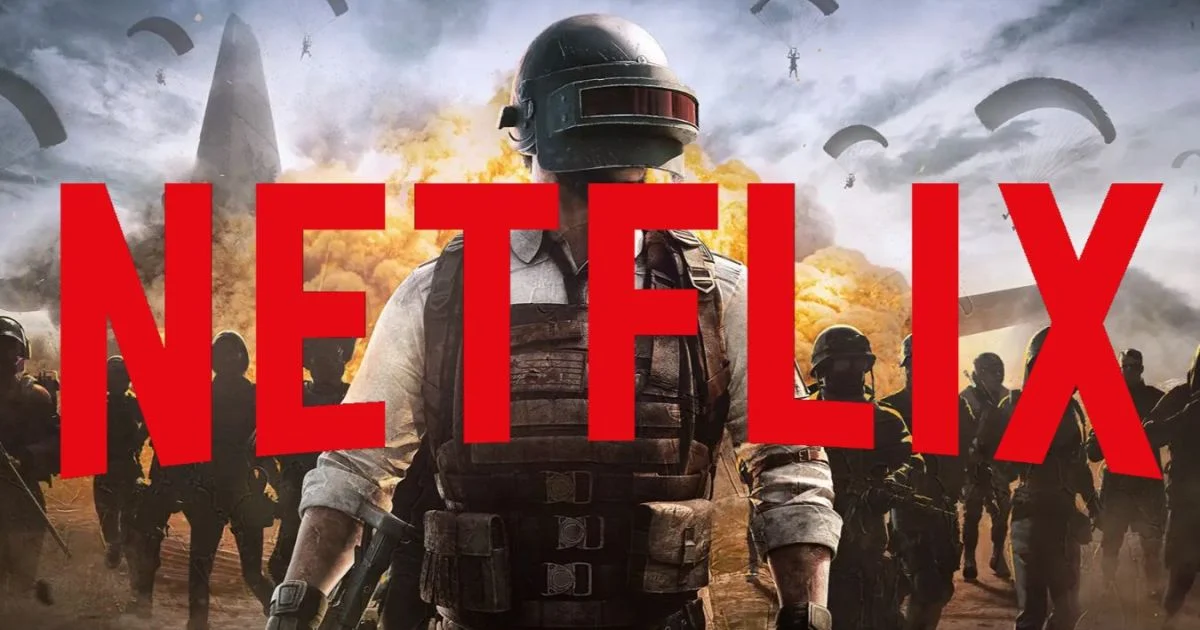
Donald Glover’s PUBG Series: What We Know So Far
Donald Glover, the creative force behind the acclaimed series Atlanta, is set to bring the massively popular battle royale game PlayerUnknown’s Battlegrounds (PUBG) to life as a live-action series for Netflix. This ambitious project sees Glover not only attached as an executive producer but also slated to star in the show. The partnership between Glover’s production company and Netflix, alongside Krafton, the game’s publisher, signals a significant undertaking in adapting a global gaming phenomenon for a new medium.
The involvement of Donald Glover is a major draw for this adaptation. His track record with Atlanta, which earned him multiple Emmy and Golden Globe awards, showcases his ability to craft compelling narratives with unique characters and distinct tones. Furthermore, his recent experience co-creating and starring in the Mr. & Mrs. Smith series for Prime Video demonstrates his skill in adapting existing intellectual property for television. This background suggests a thoughtful approach to translating the core survival premise of PUBG into a character-driven drama that can resonate with a broad audience.
While the game itself offers a straightforward objective—to be the last player or team standing—translating this into an engaging television series requires more than just action sequences. Viewers need to connect with the characters, understand their motivations, and feel invested in their struggles. The success of the PUBG series will likely hinge on the scriptwriting, with Donald Glover and his brother Stephen, who are co-writing the series, tasked with developing characters whose fates matter to the audience. Their combined creative vision will be crucial in giving the show the emotional depth needed to stand out.
Krafton, the South Korean video game company that developed PUBG, is actively involved in the production through its entertainment subsidiary, LV3H. This ensures that the adaptation remains true to the spirit of the game while also allowing for creative expansion. Taeseok Jang and Sujin Lee from Krafton are serving as executive producers, providing a direct link to the game’s origins and vision. This collaboration between the game’s owner and the creative team behind the adaptation is a positive sign for the project’s authenticity and potential.
The Appeal of PUBG as a Series
PlayerUnknown’s Battlegrounds, commonly known as PUBG, exploded onto the gaming scene in 2017, popularizing the battle royale genre. The game drops 100 players onto an island where they must scavenge for weapons and equipment to eliminate others while a shrinking safe zone forces players into increasingly smaller areas. The last player or team alive wins. This high-stakes, survival-focused gameplay offers a compelling foundation for a television series.
The inherent tension of the battle royale format is a natural fit for television. The constant threat of elimination, the need for strategic thinking, and the unpredictable nature of player encounters create a dynamic environment ripe for dramatic storytelling. However, the game’s focus on individual survival and often anonymous player interactions presents a unique challenge for adaptation. Unlike narrative-driven games or established movie franchises, PUBG’s appeal lies in its emergent gameplay and player-driven stories.
To make the PUBG series compelling, the writers will need to build a narrative framework that gives context and emotional weight to the survival scenarios. This means developing a cast of characters with backstories, motivations, and relationships that viewers can invest in. The series could explore various themes, such as the psychological toll of constant combat, the moral compromises made in the name of survival, or the societal implications of a world where such extreme competition is normalized.
The success of other video game adaptations, such as The Last of Us on HBO, demonstrates that audiences are receptive to well-crafted stories based on games. These adaptations often succeed by focusing on character development and emotional resonance, rather than simply replicating gameplay mechanics. The Last of Us series, for instance, expanded upon the game’s narrative, delving deeper into the characters’ pasts and relationships, which ultimately enriched the viewing experience.
The PUBG series has the potential to explore a wide range of character archetypes. From hardened military veterans to desperate civilians, the diverse backgrounds of potential characters can create a rich tapestry of human experience under extreme pressure. The series could also delve into the “why” behind the battle royale. Is it a form of entertainment, a societal experiment, a punishment, or something else entirely? The answers to these questions can shape the tone and thematic direction of the show.
Donald Glover’s Creative Vision and Experience
Donald Glover’s involvement is arguably the most significant factor shaping expectations for the PUBG series. His work on Atlanta redefined what a television comedy-drama could be, blending surreal humor, social commentary, and deeply human character studies. The show’s ability to pivot between laugh-out-loud moments and profound emotional beats, often within the same episode, suggests a creative approach that could translate well to the high-stakes environment of PUBG.
Glover’s talent for creating memorable and complex characters is well-established. The ensemble cast of Atlanta, including characters like Earn, Paper Boi, Darius, and Van, felt incredibly real, with their flaws, aspirations, and evolving relationships forming the core of the series. Applying this level of character development to the PUBG universe could elevate the adaptation beyond a simple action spectacle. Viewers might become invested in the personal journeys of the contestants, making their struggles for survival all the more impactful.
His role in Mr. & Mrs. Smith also provides valuable insight into his capabilities. Adapting a beloved film into a new series required a delicate balance of honoring the original while forging a new identity. Glover, as co-creator and star, navigated this challenge by exploring the premise through a fresh lens, focusing on the complexities of modern relationships within the spy thriller framework. This experience in adapting and reinterpreting existing properties is directly applicable to the task of bringing PUBG to the screen.
The partnership with his brother, Stephen Glover, as co-writer and executive producer, is also noteworthy. The brothers have a proven history of creative collaboration, and their shared vision was instrumental in Atlanta‘s success. This close working relationship suggests a cohesive creative direction for the PUBG series, ensuring that the narrative and thematic elements are consistently developed. Their ability to craft sharp dialogue and explore nuanced character dynamics will be essential in making the PUBG contestants relatable and their stories compelling.
Furthermore, Donald Glover’s own acting experience, including his memorable role in the sitcom Community, demonstrates his versatility and comfort in front of the camera. His presence as a star in the PUBG series could anchor the narrative and provide a familiar face for audiences, while also allowing him to explore a new type of character within the battle royale context. The specific role he will play has not yet been revealed, but his involvement as both a creative lead and a performer is a strong indicator of the project’s ambition.
Krafton’s Role and the Game’s Legacy
Krafton’s active participation in the development of the PUBG live-action series is crucial for its authenticity and connection to the source material. As the publisher and developer of the game, Krafton holds the intellectual property and understands the core elements that have made PUBG a global phenomenon. Their involvement ensures that the adaptation respects the game’s legacy while also being open to creative interpretation.
The establishment of Krafton’s entertainment subsidiary, LV3H, specifically for developing and producing content like this series, highlights the company’s strategic move into broader entertainment ventures. This dedicated division suggests a commitment to quality and a desire to leverage their gaming IPs in new ways. Having representatives like Taeseok Jang and Sujin Lee on the executive production team provides a direct channel of communication and creative oversight from the game’s creators.
PUBG’s impact on the gaming industry cannot be overstated. It was a pioneer in the battle royale genre, inspiring countless other games and solidifying the format’s popularity. The game’s success is built on its accessible yet deep gameplay mechanics, its realistic aesthetic, and the sheer thrill of survival against overwhelming odds. Translating these elements into a visual medium requires a careful understanding of what makes the game so engaging for millions of players worldwide.
The series has the opportunity to explore the world of PUBG beyond the confines of a single match. While the core premise of a battle royale will likely remain central, the adaptation could delve into the lore, the setting, and the reasons why such a deadly competition exists. This could involve exploring the backgrounds of the players, the organization running the games, or the societal context that leads to such an event. Such world-building can add layers of depth and intrigue to the narrative.
Krafton’s involvement also means that the visual design and aesthetic of the series can draw heavily from the game’s established look and feel. From the iconic weapons and vehicles to the distinct environments, these elements can help create a sense of familiarity for fans of the game. However, the challenge will be to translate these visual cues into a cinematic experience that feels fresh and engaging for both gamers and newcomers to the PUBG universe.
The publisher’s commitment to the project also suggests a long-term vision for the PUBG franchise in the entertainment space. This could pave the way for future adaptations, spin-offs, or other media projects, further expanding the universe beyond its gaming origins. The success of this initial live-action series will undoubtedly influence the direction of these future endeavors.
Potential Narrative Structures and Themes
Adapting a game like PUBG for television presents a unique set of narrative challenges and opportunities. The core gameplay loop of survival and elimination can be translated into compelling plotlines, but the show’s success will depend on how it builds upon this foundation. Several narrative structures and thematic explorations could be employed to create a rich and engaging series.
One potential approach is an anthology format, where each season or even each episode focuses on a different group of contestants or a specific battle royale event. This would allow for a diverse range of stories and character perspectives, showcasing the varied experiences of individuals thrust into the deadly competition. Each installment could explore different themes, such as the psychological impact of violence, the ethics of survival, or the desperation that drives people to participate.
Alternatively, the series could follow a more traditional serialized narrative, focusing on a core group of characters who are repeatedly thrown into the battle royale. This would allow for deeper character development and the exploration of ongoing relationships, rivalries, and personal arcs. Viewers could become invested in the journeys of these specific individuals, witnessing their growth, their struggles, and their eventual fates over multiple seasons. This approach mirrors the character-driven nature of shows like The Walking Dead or Squid Game.
Thematic exploration is also key to elevating the PUBG series beyond a simple action show. The game’s premise inherently touches upon themes of survival, competition, and the human condition under duress. The adaptation could delve into the societal reasons for such a brutal game. Is it a form of entertainment for a jaded populace? A method of population control? A consequence of a dystopian future? Exploring these questions can add a layer of social commentary and philosophical depth.
The psychological toll of constant combat and the moral compromises required for survival are also fertile ground for exploration. Characters might face difficult choices, such as betraying allies to save themselves or sacrificing others for personal gain. The series could examine the psychological effects of trauma, the desensitization to violence, and the struggle to maintain one’s humanity in a dehumanizing environment.
The concept of “winning” in PUBG can also be examined. Is true victory simply survival, or does it involve maintaining one’s integrity and moral compass? The series could explore the idea that the real battle is not just against other players, but against one’s own inner demons. This could lead to character arcs where the ultimate prize is not just survival, but redemption or self-discovery.
Furthermore, the series could explore the meta-narrative of the game itself. Who is running these battle royales, and why? What are their motivations? This could introduce elements of mystery and conspiracy, adding another layer of intrigue to the plot. The show might even play with the idea of players being pawns in a larger game, controlled by unseen forces.
The tone of the series is also a critical element. While Donald Glover’s involvement might suggest a dark comedy or a satirical approach, the nature of the battle royale genre also lends itself to intense drama, thriller, or even horror elements. The final tone will likely depend on the specific creative choices made by the writers and directors, but a blend of these genres could offer a unique and compelling viewing experience.
Challenges and Opportunities in Adaptation
Adapting a video game, particularly one as open-ended as PUBG, into a linear narrative format like a television series presents both significant challenges and exciting opportunities. The core task is to translate the interactive, player-driven experience of the game into a compelling story that engages a passive audience.
One of the primary challenges is replicating the sense of agency and emergent gameplay that defines PUBG. In the game, players make their own decisions, strategize their own paths, and create their own unique stories through their actions. A television series, by its nature, must follow a predetermined script. The writers must find ways to create compelling narratives that feel dynamic and unpredictable, even within a fixed storyline. This involves crafting suspenseful scenarios, unexpected twists, and character-driven conflicts that keep viewers on the edge of their seats.
Another challenge lies in character development. PUBG is known for its vast player base, where individual players are often anonymous avatars. For a television series to succeed, it needs to create relatable and compelling characters that viewers can connect with and root for. This requires giving these characters depth, backstories, motivations, and emotional arcs. The success of adaptations like The Last of Us highlights the importance of strong character writing in bridging the gap between game and screen. Donald Glover’s experience with character-driven storytelling in Atlanta and Mr. & Mrs. Smith bodes well for this aspect of the adaptation.
The visual translation of the game’s mechanics and environments also presents an opportunity. PUBG features a variety of distinct maps, weapons, and combat scenarios. The series can leverage these elements to create visually stunning and action-packed sequences. However, it must do so in a way that feels authentic to the game’s aesthetic while also being cinematic and engaging for a television audience. The challenge is to avoid simply replicating gameplay moments and instead integrate them seamlessly into the narrative flow.
The open-ended nature of the battle royale genre also offers a unique opportunity for world-building. The series can explore the “why” behind the games, creating a rich lore and backstory that expands upon the game’s existing universe. This could involve delving into the political, social, or economic factors that lead to such a brutal competition. The series can also explore the diverse backgrounds and motivations of the contestants, offering a wide range of perspectives on the game and its implications.
The involvement of Krafton provides an opportunity to ensure that the adaptation remains faithful to the spirit and core elements of PUBG. Their expertise can guide the creative team in translating the game’s mechanics, atmosphere, and overall feel into a visual medium. This collaboration can help maintain the authenticity that fans of the game will expect, while also allowing for creative freedom to tell a compelling story.
Finally, the series has the opportunity to explore themes that resonate with contemporary audiences. The battle royale format inherently touches upon issues of survival, competition, social inequality, and the human capacity for both cruelty and resilience. By delving into these themes, the PUBG series can offer more than just entertainment; it can provide a thought-provoking commentary on the human condition. The success of shows like Squid Game demonstrates the global appeal of narratives that explore these complex societal issues within a high-stakes, genre framework.
When Can We Expect the PUBG Series?
As of the latest information, there is no confirmed release date for the live-action PUBG series on Netflix. Krafton has indicated that further details regarding the release schedule and production timeline will be announced at a later date. The project is currently in the development phase, which means that the scriptwriting, casting, and pre-production stages are likely underway or being finalized.
The development of a major television series, especially one based on a globally recognized intellectual property like PUBG, is a complex and time-consuming process. It involves extensive planning, script revisions, securing talent, building sets, and extensive filming and post-production work. Given that no production timetable has been announced, it is reasonable to assume that the series is still some time away from its premiere.
Fans eager to see Donald Glover’s take on the PUBG universe will need to exercise patience. Information regarding the show’s tone, specific plot details, and the characters that will be featured are also still under wraps. While Glover’s involvement might lead some to anticipate a dark comedy, as seen in Atlanta, the nature of the battle royale genre could also lend itself to more intense dramatic or thriller elements. The final tone will likely be revealed as more details emerge.
The absence of casting news beyond Donald Glover himself also suggests that the project is in its earlier stages. As the production progresses, more information about the cast and their roles is expected to be released. This will provide further insight into the creative direction the series is taking and the types of characters that will populate the PUBG world.
Fans of the game and of Donald Glover’s work will be eagerly awaiting updates. The announcement of a release date and further production details will likely be made through official channels, such as Netflix’s press releases or Krafton’s announcements. Until then, the development of the PUBG live-action series remains an exciting prospect for the future of video game adaptations.
Conclusion
The upcoming live-action PlayerUnknown’s Battlegrounds series on Netflix, spearheaded by Donald Glover, represents a significant venture into adapting one of the world’s most popular battle royale games. With Glover attached to star, co-write, and executive produce alongside his brother Stephen, the project promises a character-driven narrative that aims to translate the game’s intense survival premise into compelling television. Krafton’s active involvement through its subsidiary LV3H ensures a connection to the game’s origins and vision.
The adaptation faces the challenge of transforming the player-driven, often anonymous experience of PUBG into a structured, character-focused story. However, Donald Glover’s proven track record with nuanced storytelling and character development in series like Atlanta and Mr. & Mrs. Smith offers strong potential for success. The series can explore a wide range of themes, from the psychological toll of combat to the societal implications of extreme competition, providing depth beyond mere action.
While a release date remains unannounced, the development of the PUBG series signifies a growing trend of high-profile video game adaptations. The collaboration between creative talent like Glover and the game’s publisher, Krafton, suggests a commitment to producing a faithful yet innovative adaptation that can appeal to both existing fans and new audiences. The world of PUBG is poised to expand, offering a new dimension to this global gaming phenomenon.


Conversation
0 Comments