

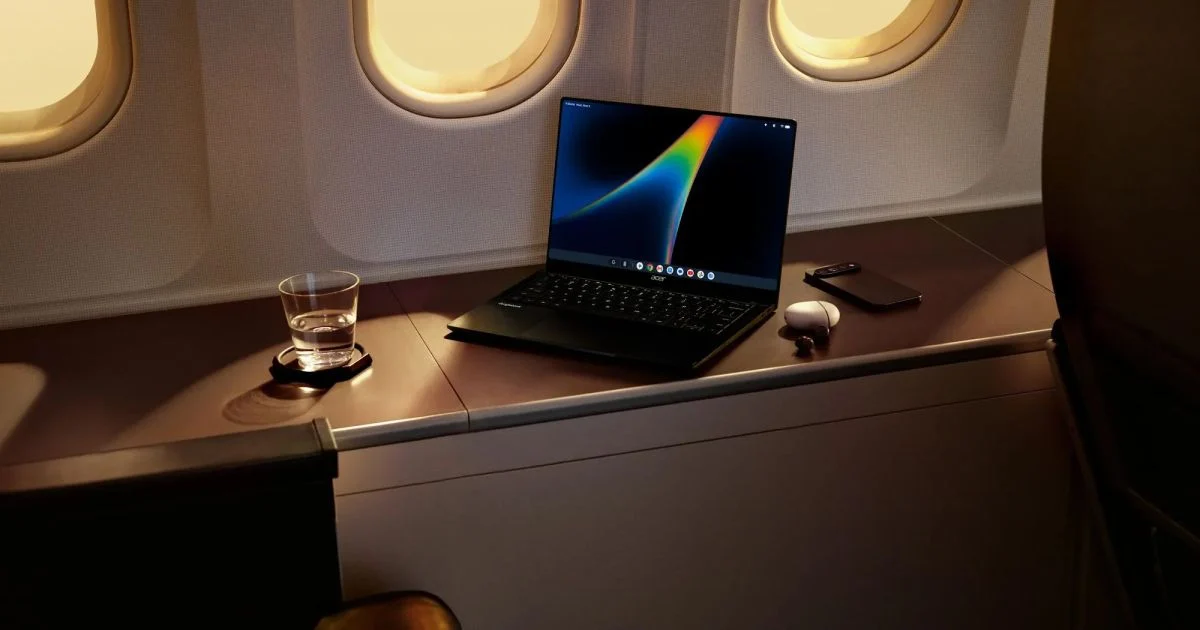
Googlebook Detachables: A New Era for Android Tablets and Laptops
The landscape of personal computing is constantly shifting, with new devices and operating systems emerging to meet evolving user needs. For years, the distinction between a tablet and a laptop has been clear: one offered portability and touch-based interaction, while the other provided a full keyboard and more robust productivity features. However, this line is blurring rapidly, and Google is at the forefront of this transformation with its expanding Googlebook lineup. The introduction of detachable Googlebooks signals a significant evolution, potentially making many current Android tablets feel outdated by offering a more integrated and versatile computing experience.
Google’s commitment to this new form factor was highlighted during the Android Dev Summit 2026. The company officially confirmed plans to introduce detachable Googlebooks, devices that can seamlessly switch between a laptop and a tablet configuration by detaching the keyboard. This move is more than just an addition to their product offerings; it represents a strategic shift that could redefine the future of mobile computing, especially for users who have relied on Android tablets for a variety of tasks.
The Evolution of Googlebooks: Beyond the Clamshell
Googlebooks, initially conceived as a way to bring the power and simplicity of Chrome OS to a wider range of hardware, have historically focused on traditional laptop designs. The first wave of Googlebooks largely followed this convention, with most manufacturers offering standard clamshell or convertible models. The Acer Googlebook 14 stood out with its 360-degree hinge, allowing it to be used in a tablet-like mode by folding the screen back. While this offered some flexibility, it still required carrying a full laptop.
The true innovation lies in the concept of detachable devices. Unlike a convertible that simply folds, a detachable features a keyboard that can be completely removed. This design is reminiscent of Microsoft’s Surface line, offering a tablet experience when the keyboard is off and a full laptop experience when it’s attached. This approach promises a more genuine tablet feel when needed, without sacrificing the productivity of a physical keyboard and trackpad.
An earlier leak suggested that Lenovo might be among the first to bring such a device to market. Reports indicated a Googlebook tablet with a detachable keyboard and an integrated kickstand, a design that would allow for versatile viewing angles. This leaked hardware also hinted at Google’s “Glowbar” near the camera, though its specific function remains a mystery. While details on specifications, pricing, and the exact launch timeline are still scarce, Google’s official confirmation solidifies the direction of its hardware strategy. Detachable Googlebooks are no longer just a possibility; they are an official part of the roadmap.
Googlebook OS and the Future of Android Tablets
The emergence of detachable Googlebooks raises significant questions about Google’s long-term strategy for its tablet ecosystem. Googlebook OS, built upon the Android operating system, is designed to provide a more desktop-like computing experience. By bringing this OS to detachable tablets, Google aims to offer a single device capable of handling both casual tasks like watching videos and browsing the web, and more demanding productivity work.
This integration could offer a compelling alternative to traditional Android tablets. For users who have found Android tablets lacking in productivity features or a cohesive desktop experience, a detachable Googlebook could bridge that gap. The ability to switch between a touch-first tablet interface and a keyboard-driven laptop environment on the same device offers a level of flexibility that many current tablets cannot match.
However, there are still challenges to overcome. The current iteration of Googlebook OS, while offering a more desktop-like environment, has limitations. For instance, full-screen apps can run in portrait orientation, but core interface elements like the home screen and app drawer are still restricted to landscape mode. This is a significant hurdle for a device designed to be used without a keyboard in its tablet form. Addressing these software quirks will be crucial for the success of detachable Googlebooks and for ensuring a smooth user experience across different modes of use.
The development of detachable Googlebooks also prompts a re-evaluation of Google’s tablet strategy. If Googlebook OS continues to evolve and offer a superior desktop experience, it could overshadow premium Android tablets that run the standard Android OS. The lines between these two categories are becoming increasingly blurred, and the detachable Googlebook appears to be the key device driving this convergence.
Understanding Detachable Googlebooks: Form and Function
The concept of a detachable Googlebook centers on versatility. At its core, it’s a tablet that can transform into a laptop through the addition of a keyboard. This is achieved through a physical connection, often magnetic or with a specialized connector, that securely attaches the keyboard to the tablet. This design allows users to easily separate the two components, enabling them to use the tablet independently for media consumption, reading, or drawing, and then reattach the keyboard for typing, coding, or more intensive work.
The benefits of this design are numerous. Firstly, it offers a more streamlined experience than carrying both a tablet and a laptop. Users can consolidate their devices into one, reducing clutter and the need to manage multiple chargers and accessories. Secondly, it provides a true tablet experience. When detached, the device is a portable slate, ideal for on-the-go use. When the keyboard is attached, it functions much like a traditional laptop, offering a familiar and efficient interface for productivity.
The integration of Googlebook OS is key to unlocking the full potential of these devices. Unlike the standard Android OS found on most tablets, Googlebook OS is optimized for a desktop-like environment. This means better window management, multitasking capabilities, and support for more traditional desktop applications. For users who have found Android tablets limiting for work, this shift is particularly significant. The ability to run multiple apps side-by-side, use a trackpad for precise cursor control, and access a more robust file management system can dramatically improve productivity.
Potential Use Cases and Target Audiences
The versatility of detachable Googlebooks makes them suitable for a wide range of users and applications.
Students
For students, a detachable Googlebook could be an ideal all-in-one device. It can serve as a tablet for taking notes, reading textbooks, and participating in online classes. When it’s time to write essays, conduct research, or work on projects, the keyboard can be attached, transforming it into a capable laptop. This eliminates the need for separate devices, potentially saving money and reducing the burden of carrying multiple gadgets across campus. The portability and flexibility are particularly appealing for students who move between lectures, libraries, and dorm rooms frequently.
Professionals on the Go
Business professionals who travel frequently or work remotely can also benefit greatly from detachable Googlebooks. The device can be used as a tablet for presentations, client meetings, or quick email checks during commutes. When back at a desk or in a hotel room, it can function as a laptop for drafting reports, managing spreadsheets, or participating in video conferences. The ability to switch modes quickly and efficiently can enhance productivity and adaptability in dynamic work environments.
Creative Individuals
While not a direct replacement for high-end workstations, detachable Googlebooks can be useful for creative individuals in certain contexts. Artists might use the tablet mode with a stylus for digital sketching or design work. Writers can use the keyboard for drafting manuscripts or articles. For tasks that don’t require the most powerful processing or specialized software, a detachable Googlebook offers a portable and accessible platform for creative endeavors.
Home Users Seeking Versatility
For general home use, detachable Googlebooks offer a flexible solution for families or individuals who want a single device for a variety of activities. It can be used as a tablet for browsing social media, streaming movies, or playing casual games. When needed for tasks like online banking, managing household budgets, or helping children with homework, it can easily convert into a laptop. This consolidation of functions can simplify home computing and reduce the need for multiple devices.
Technical Considerations and Hardware Expectations
While Google has confirmed the development of detachable Googlebooks, specific hardware details remain largely speculative, based on leaks and general industry trends. However, we can anticipate certain key features and considerations.
Processors and Performance
Given that Googlebook OS is built on Android, it’s likely that these devices will utilize ARM-based processors, similar to those found in many high-end smartphones and tablets. This architecture offers a good balance of performance and power efficiency, which is crucial for battery life in portable devices. Manufacturers like Qualcomm, MediaTek, or even Google’s own Tensor chips could power these new Googlebooks. The performance will need to be sufficient to handle multitasking and the demands of a desktop-like interface, especially when running multiple applications.
Displays and Form Factors
The display will be a critical component, as it needs to function well in both tablet and laptop modes. We can expect high-resolution touchscreens, likely in the 10- to 14-inch range, to provide ample screen real estate for productivity tasks while remaining portable. The quality of the display, including brightness, color accuracy, and refresh rate, will be important for media consumption and general usability. The design of the detachable mechanism itself will also be a key factor, needing to be robust, easy to use, and secure.
Connectivity and Peripherals
Connectivity will be another important aspect. Expect standard Wi-Fi and Bluetooth capabilities. The inclusion of USB-C ports is almost a certainty, offering versatile options for charging, data transfer, and connecting external peripherals like monitors or storage devices. The keyboard accessory might also include additional ports, such as USB-A, to further enhance its functionality. Support for styluses, either included or as an optional accessory, would also be a logical addition, given the tablet nature of the device.
Software Optimization
As mentioned earlier, the success of detachable Googlebooks hinges on software optimization. Googlebook OS needs to provide a seamless transition between tablet and laptop modes. This includes ensuring that apps scale correctly, multitasking features are intuitive, and the overall user experience is consistent and efficient. The ability to run Android apps alongside Chrome OS applications will be a key selling point, offering access to a vast library of software.
Challenges and Potential Pitfalls
Despite the promising outlook, the introduction of detachable Googlebooks is not without its challenges.
Software Maturity
The primary hurdle remains the maturity of Googlebook OS for detachable form factors. While it offers a more desktop-like experience, it still needs refinement. The current limitations in handling portrait orientation for core interface elements are a clear example. Google must ensure that the OS provides a truly seamless and intuitive experience across both tablet and laptop modes, without the compromises often associated with hybrid devices. Users expect a fluid transition, and any clunkiness in the software could quickly lead to frustration.
Competition and Market Perception
The detachable market is not entirely new. Microsoft’s Surface line has established a strong presence, and other manufacturers offer similar convertible or detachable devices. Googlebook detachables will need to offer a compelling value proposition to stand out. This means not only competitive pricing but also a clear advantage in terms of software integration, performance, or unique features. Market perception will also be a factor; convincing users that a Googlebook can truly replace both their tablet and laptop will require a strong marketing effort and positive early reviews.
Hardware Reliability and Durability
The detachable mechanism is a point of potential failure. The connection between the tablet and keyboard needs to be robust and durable enough to withstand frequent detachment and reattachment. Manufacturers will need to ensure high-quality build materials and reliable engineering to prevent issues like loose connections or broken hinges. The overall durability of the device, especially in its tablet form, will also be important for user confidence.
App Ecosystem and Compatibility
While Googlebook OS can run Android apps, ensuring full compatibility and optimal performance for all applications is an ongoing challenge. Some apps might not be designed with a desktop-like interface in mind, leading to a less-than-ideal user experience. Google and its partners will need to work closely with developers to ensure that their applications function well on these new devices, offering a truly versatile software ecosystem.
The Impact on the Android Tablet Market
The arrival of detachable Googlebooks is poised to have a significant impact on the existing Android tablet market. For a long time, Android tablets have struggled to compete directly with Apple’s iPad in terms of premium features, app optimization, and overall market share. While many Android tablets offer good value and specific use cases, they often fall short of providing a truly integrated productivity experience.
Detachable Googlebooks, with their focus on a desktop-like OS and versatile functionality, could draw users away from traditional Android tablets, particularly those who have been seeking more productivity-oriented devices. If Googlebook OS proves to be a superior platform for work and multitasking, it could become the preferred choice for users who want a single device for both consumption and creation. This could lead to a bifurcation of the Android ecosystem, with Googlebooks catering to productivity and standard Android tablets focusing on more basic media consumption and casual use.
This shift could also encourage Android tablet manufacturers to either pivot towards developing their own detachable offerings or to further differentiate their traditional tablets by focusing on specific niches, such as gaming, education, or budget-friendly options. The pressure to innovate and provide more compelling features will undoubtedly increase.
Ultimately, the success of detachable Googlebooks could signal a broader trend towards more converged computing devices, where the lines between different form factors continue to blur. This evolution is driven by user demand for flexibility, portability, and the ability to perform a wider range of tasks on a single, adaptable device.
Conclusion
The introduction of detachable Googlebooks marks a pivotal moment in the evolution of personal computing. By combining the portability and touch interface of a tablet with the productivity of a laptop, these devices promise a level of versatility that could redefine user expectations. Google’s strategic move to expand its Googlebook lineup into this form factor signals a clear intent to bridge the gap between mobile and desktop computing, offering a compelling solution for students, professionals, and general users alike.
While challenges related to software maturity, market competition, and hardware reliability remain, the potential benefits are substantial. Detachable Googlebooks have the capacity to simplify device ownership, enhance productivity on the go, and offer a more integrated digital experience. As Google continues to refine its Googlebook OS and manufacturers bring innovative hardware to market, these devices are set to become a significant force in the computing landscape, potentially making many current Android tablets feel like relics of a less adaptable era. The future of computing is increasingly about flexibility, and detachable Googlebooks are leading the charge.


Conversation
0 Comments