

The future of artificial intelligence is no longer confined to screens and speakers. Companies are actively working to bridge the gap between digital intelligence and the physical world, with humanoid robots emerging as a key area of development. Meta, a major player in the tech industry, is at the forefront of this movement, investing heavily in creating robots that can interact with and perform tasks in our environment. This pursuit is not just about building advanced machines; it’s about giving AI, like Meta’s Muse, a tangible presence.
Meta’s current focus is on developing sophisticated humanoid robots, a project that involves collaboration with robotics firms and a significant investment in AI and hardware. While the idea of robots assisting with daily chores is exciting, it’s important to understand that this technology is still in its early stages. The robots being developed are primarily for research and experimentation, with no immediate plans for commercial release or widespread consumer use. This article will explore Meta’s advancements in humanoid robotics, the technology behind their prototypes, their long-term vision, and the challenges that lie ahead in bringing these intelligent machines into our lives.
Meta’s Humanoid Robot Ambitions
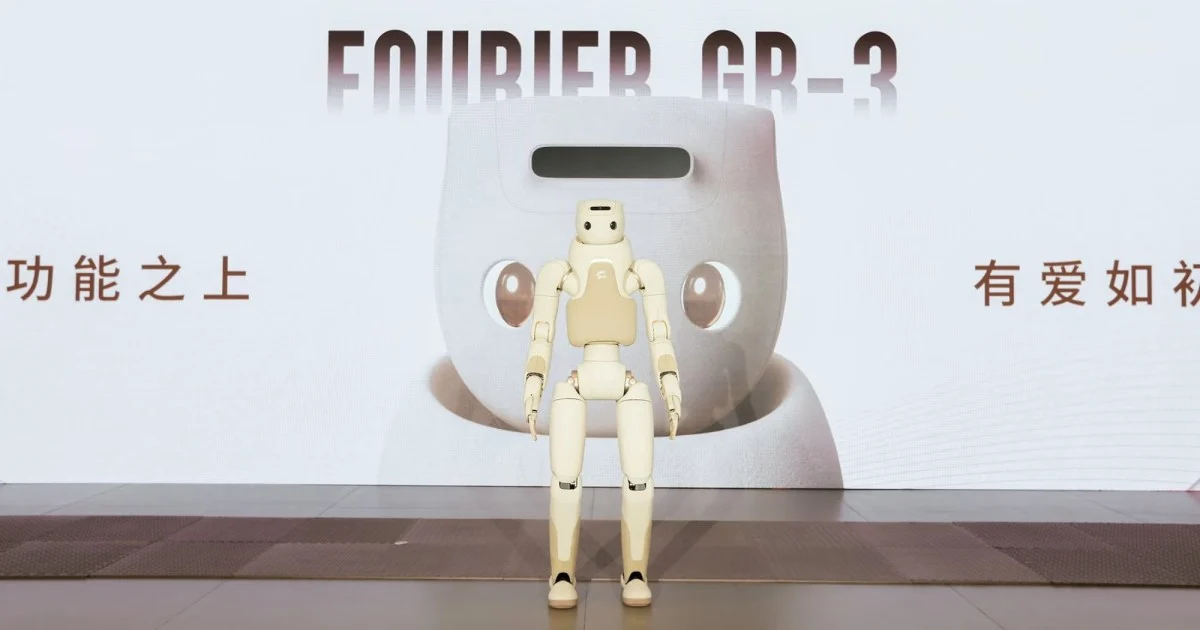
Meta is making significant strides in its quest to bring artificial intelligence into the physical world through humanoid robots. The company has partnered with Fourier, a Chinese robotics firm, to develop a prototype robot named Max. This collaboration highlights Meta’s commitment to exploring the potential of robots as a physical extension of its AI capabilities. The development of Max was remarkably swift, with the initial prototype being built in approximately three months. This rapid progress underscores the company’s dedication to advancing its robotics research.
The primary goal behind Meta’s robotics initiative is to create humanoids that can eventually perform everyday tasks. This vision extends beyond simple demonstrations of movement; it aims to imbue these robots with the intelligence and dexterity to interact meaningfully with their surroundings. The development of Max is a crucial step in this direction, serving as a platform for experimentation and learning. Meta’s vice president of product for robotics, Li-Chen Miller, spent a considerable amount of time at Fourier’s factory, indicating the depth of collaboration and the importance Meta places on this project. The prototype was showcased internally at a robotics summit, signaling its significance within the company’s research and development efforts.
The Max Prototype: Technology and Capabilities
The Max prototype, standing around 1.5 meters tall and weighing approximately 48kg, is a testament to the advanced technology being integrated into modern robotics. It is powered by Nvidia’s Jetson Thor chip, a powerful platform designed for AI and robotics applications, which enables the robot to process complex information and execute tasks efficiently. The robot is equipped with a screen that can display facial expressions, allowing for a more engaging and potentially intuitive form of interaction. Built-in speakers further enhance its communication capabilities, enabling it to convey information or respond to commands.
One of the key features of the Max prototype is its five-fingered hands, designed to provide a degree of dexterity for manipulating objects. Early demonstrations have shown the robot capable of picking up small items, such as bottles and toys. While these actions may seem basic, they represent a significant challenge in robotics, requiring precise control and sensory feedback. The development of these manipulators is crucial for any robot intended to perform tasks in a human environment, where objects come in various shapes, sizes, and textures. The successful execution of these simple tasks on the Max prototype indicates progress towards more complex manipulation abilities.
Max 2: The Next Generation of Meta’s Humanoid Robot
Building on the foundation of the initial Max prototype, Meta and Fourier are already working on a second-generation version, internally referred to as Max 2. This next iteration is expected to incorporate several significant upgrades aimed at enhancing the robot’s capabilities and its ability to interact with the physical world. A redesigned torso is anticipated, which could lead to improved weight distribution, better balance, and potentially more space for internal components. The hands are also slated for improvement, with a focus on achieving better object manipulation, suggesting a move towards handling a wider range of items with greater precision.
Furthermore, Max 2 is expected to feature a projector, which could be used for various purposes, such as displaying information, creating augmented reality interfaces, or even aiding in navigation. The addition of more sensors is also a key upgrade, designed to help the robot better understand and navigate its environment. This includes the ability to navigate stairs, a complex task that requires sophisticated sensing, planning, and locomotion. These planned enhancements for Max 2 indicate a clear trajectory towards developing a robot that can move beyond basic movements and engage more naturally and effectively with its surroundings. The focus is on creating a robot that is not just functional but also adaptable to the unpredictable nature of real-world environments.
Connecting Humanoids with Muse: Meta’s AI Vision
Meta’s ambition in robotics extends beyond creating advanced physical machines; it is deeply intertwined with its broader vision for artificial intelligence, particularly its AI agent, Muse. The company views humanoid robots as a physical embodiment of Muse, a concept that could revolutionize how we interact with AI. Currently, AI agents like Muse primarily operate within digital interfaces, responding to queries and performing tasks through screens and speakers. By giving Muse a physical form through a humanoid robot, Meta aims to enable the AI to move beyond conversational interactions and actively participate in the physical world.
This integration could allow Muse to transition from simply answering questions to performing tangible actions, such as assisting with household chores or carrying out tasks in a work environment. The development of robots capable of complex manipulation and navigation is essential for this vision to become a reality. Meta’s acquisition of Assured Robot Intelligence, a startup specializing in AI software for robots, further underscores its commitment to building the necessary software and intelligence for these machines. The partnership with Nvidia, which provides the Jetson Thor chip for Max and is investing in Muse, also highlights the synergistic approach Meta is taking, combining hardware, software, and AI development to achieve its long-term goals.
The Road Ahead: Challenges and Future Prospects
Despite the impressive progress Meta and its partners are making in humanoid robotics, it is crucial to acknowledge the significant challenges that lie ahead. A robot that can pick up a bottle, while a notable achievement, is still a long way from reliably managing a home or performing complex tasks in a dynamic environment. Real-world environments are unpredictable, filled with obstacles, varying lighting conditions, and a vast array of objects that require nuanced manipulation. Developing robots that can safely and effectively navigate these complexities requires further advancements in sensing, artificial intelligence, and mechanical engineering.
Meta has emphasized that its work with Fourier is for internal research and experimentation, and there are no immediate plans to sell these prototypes. The company has not set a product launch target, indicating a long-term perspective on this development. The journey from a research prototype to a commercially viable product is often lengthy and fraught with technical hurdles. Issues such as cost, safety, reliability, and public acceptance all need to be addressed. For now, Max 2 represents another step in Meta’s ongoing robotics journey, not a finished product ready for consumers. The company still has considerable ground to cover before its AI can truly perform chores instead of just discussing them.
The Broader Landscape of Humanoid Robotics
Meta’s efforts in humanoid robotics are part of a larger, global trend. Several other companies and research institutions are actively developing their own humanoid robots, each with different goals and approaches. Boston Dynamics, known for its agile robots like Atlas, has been a pioneer in dynamic locomotion and manipulation. Companies like Tesla are also investing in humanoid robot development, with their Optimus project aiming to create a general-purpose robot for various tasks. These parallel developments indicate a growing consensus within the tech industry that humanoid robots hold significant potential for the future.
The advancements in AI, particularly in areas like machine learning, computer vision, and natural language processing, are critical enablers for humanoid robotics. As AI models become more sophisticated, they can provide robots with better perception, decision-making, and control capabilities. Similarly, improvements in hardware, such as more efficient motors, advanced sensors, and lighter, stronger materials, are crucial for building robots that are more capable, agile, and cost-effective. The competition and collaboration within this field are likely to accelerate innovation, pushing the boundaries of what is possible.
Ethical Considerations and Societal Impact
As humanoid robots become more advanced and capable, they bring with them a host of ethical considerations and potential societal impacts that need careful thought. One of the primary concerns is the impact on employment. As robots become capable of performing tasks currently done by humans, there is a risk of job displacement in various sectors, from manufacturing and logistics to customer service and even caregiving. Societies will need to consider how to manage this transition, potentially through retraining programs, new economic models, or policies that ensure the benefits of automation are shared broadly.
Another important area of discussion revolves around safety and reliability. For robots that will operate in close proximity to humans, ensuring their safety is paramount. This involves developing robust control systems, fail-safe mechanisms, and rigorous testing protocols. The potential for misuse of advanced robotics also needs to be considered, raising questions about regulation and oversight. Furthermore, as robots become more integrated into our lives, questions about their autonomy, accountability, and even their potential for developing consciousness or rights may arise, although these are more speculative concerns for the distant future. Addressing these ethical and societal challenges proactively will be essential for the responsible development and deployment of humanoid robots.
The Role of AI in Advancing Robotics
Artificial intelligence is the driving force behind the increasing sophistication of humanoid robots. Without advanced AI, robots would be little more than pre-programmed machines, incapable of adapting to new situations or learning from experience. Machine learning, a subset of AI, allows robots to learn from data, improving their performance over time. For example, a robot can learn to better grasp different objects by analyzing numerous examples of successful and unsuccessful grasps.
Computer vision, another critical AI field, enables robots to “see” and interpret their surroundings. This involves identifying objects, understanding spatial relationships, and navigating complex environments. Natural language processing (NLP) allows robots to understand and respond to human speech, making interaction more intuitive. Meta’s Muse AI agent is a prime example of how advanced AI can be integrated into robotics. By connecting Muse to a physical body, Meta aims to create a more capable and versatile AI assistant that can not only process information but also act upon it in the physical world. The synergy between AI and robotics is what will ultimately determine the capabilities and potential applications of future humanoid robots.
Hardware and Engineering Challenges
Beyond the software and AI, significant engineering challenges must be overcome to create truly functional and practical humanoid robots. The physical design of these robots is critical. They need to be robust enough to withstand the demands of daily use, yet lightweight and agile enough to move efficiently and safely. Balancing these requirements is a complex engineering feat.
Locomotion is a particularly difficult area. Walking, especially on uneven terrain or stairs, requires sophisticated control systems to maintain balance and adapt to changes in the ground surface. Manipulating objects also presents a major challenge. Human hands are incredibly complex, capable of a vast range of movements and fine motor control. Replicating this dexterity in robotic hands is an ongoing area of research and development. Powering these robots efficiently is another hurdle. Batteries need to provide sufficient energy for extended operation without being excessively heavy or bulky. Advances in battery technology and energy management systems are therefore crucial for the practical deployment of humanoid robots. The integration of all these components – sensors, actuators, processors, power systems, and mechanical structures – into a cohesive and functional whole is a testament to the ongoing innovation in robotics engineering.
The Future of Humanoid Robots in Society
The development of humanoid robots is not just a technological pursuit; it has the potential to reshape society in profound ways. In the short to medium term, we can expect to see robots playing increasingly important roles in industrial settings, assisting with tasks that are dangerous, repetitive, or require high precision. Warehouses, factories, and laboratories are likely to be among the first places where advanced humanoid robots become common.
Looking further ahead, the vision of robots as assistants in homes and healthcare settings is a compelling prospect. Imagine robots helping the elderly with daily tasks, providing companionship, or assisting medical professionals in hospitals. The ability of these robots to interact naturally with humans, understand their needs, and perform physical tasks could significantly improve quality of life for many. However, the widespread adoption of humanoid robots in these sensitive areas will depend not only on technological advancements but also on public trust, ethical guidelines, and societal readiness. The journey towards a future where humanoid robots are an integral part of our lives is likely to be gradual, marked by continuous innovation, careful consideration of societal impacts, and a commitment to responsible development.
Conclusion
Meta’s exploration into humanoid robotics, exemplified by the Max prototype and the ongoing development of Max 2, signifies a bold step towards integrating advanced AI into the physical world. The collaboration with Fourier and the focus on connecting these robots with AI agents like Muse reveal a clear vision: to create intelligent machines capable of meaningful interaction and task performance in real-world environments. While the current prototypes are primarily for research, their capabilities in manipulation and movement demonstrate significant progress.
The path forward for humanoid robotics is paved with both immense potential and considerable challenges. Overcoming engineering hurdles in locomotion, manipulation, and power, alongside addressing the complex ethical and societal implications, will be critical. As AI continues to advance, the synergy between intelligent software and sophisticated hardware will undoubtedly drive innovation. The ultimate goal of having robots that can assist us in our homes and workplaces is a long-term endeavor, but Meta’s commitment, alongside global efforts in the field, suggests that this future is steadily moving closer. The development of humanoid robots is not just about building machines; it’s about redefining the relationship between humans and technology, and exploring new possibilities for how artificial intelligence can serve humanity.


Conversation
0 Comments