

The landscape of international trade and cross-border commerce is constantly shifting, influenced by economic policies, geopolitical developments, and the ever-growing demand for diverse products. For businesses and consumers alike, understanding these dynamics is key to navigating the global marketplace effectively. One area that has seen significant attention is the trade relationship between mainland China and Taiwan, particularly concerning the access of Taiwanese products to the mainland market. This article will explore the policies and initiatives aimed at facilitating this trade, examining the benefits for both sides, and the broader implications for economic cooperation across the Taiwan Strait.
Facilitating Trade: Policies and Initiatives
The mainland’s commitment to fostering trade with Taiwan is demonstrated through a series of targeted policies and measures. A notable example is the package of ten policies and measures designed to help high-quality agricultural, fishery, and other products from Taiwan gain greater access to the mainland market. These initiatives are not merely symbolic; they represent a concrete effort to create opportunities for Taiwanese businesses and producers.
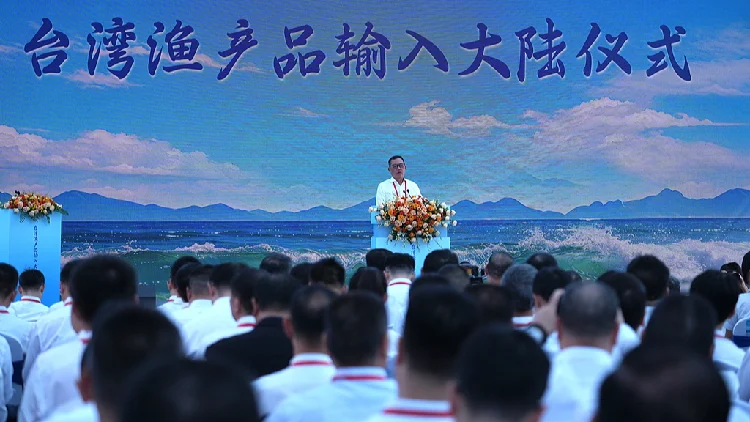
One significant event highlighting these efforts was the ceremony in Xiamen marking the arrival of Taiwan’s fishery products on the mainland. Approximately 350 tonnes of specialty fishery products from Taiwan reached Xiamen, accompanied by the inauguration of an exhibition and sales center dedicated to these goods. This event underscored the practical application of the ten measures, showcasing how cooperation between various entities, including political parties and people across the Taiwan Strait, can translate into tangible market opportunities for Taiwanese farmers and fishers.
The ten measures, introduced in April 2026 during a visit by KMT chairperson Cheng Li-wun to the mainland, cover a broad spectrum of cross-Strait exchanges and cooperation. Beyond agricultural and fishery products, these measures address critical areas such as exchanges between political parties, infrastructure connectivity, the resumption of tourism and passenger transport, streamlined customs clearance processes, and cooperation in the film and television industries. This comprehensive approach aims to create a more integrated and supportive environment for cross-Strait economic interaction.
The mainland’s strategy is to continue advancing the implementation of these ten measures. The goal is to enable more agricultural and fishery products, along with other quality goods from Taiwan, to enter the mainland market. This policy aims to achieve a dual benefit: providing mainland consumers with access to a wider variety of fresh, high-quality, and affordable seafood, while simultaneously bringing substantial economic advantages to Taiwan’s farmers and fishers.
Benefits for Taiwan’s Producers
For Taiwanese farmers and fishers, the increased access to the mainland market presents a significant opportunity for growth and stability. The mainland, with its vast consumer base, offers a ready and substantial market for Taiwanese agricultural and fishery products. This can lead to increased sales volumes, higher revenues, and improved profitability for producers.
The streamlined customs clearance processes are particularly beneficial. By reducing bureaucratic hurdles and speeding up the movement of goods, these measures help ensure that perishable products, such as fresh seafood, reach consumers in optimal condition. This efficiency is critical for maintaining product quality and minimizing losses, which directly impacts the livelihoods of producers.
Furthermore, the establishment of dedicated exhibition and sales centers, like the one inaugurated for Taiwan fishery products in Xiamen, provides a direct channel to consumers. These centers not only facilitate sales but also serve as platforms for promoting Taiwanese brands and products, increasing their visibility and appeal. This can help Taiwanese producers build stronger brand recognition and customer loyalty within the mainland market.
The broader economic cooperation fostered by these policies can also lead to job creation and economic development within Taiwan’s agricultural and fishery sectors. As demand for their products grows, there may be a corresponding need for increased production, processing, and logistics, creating employment opportunities and stimulating local economies.
Benefits for Mainland Consumers
Mainland consumers stand to gain significantly from the increased availability of high-quality products from Taiwan. The influx of fresh agricultural and fishery goods offers greater choice and variety, allowing consumers to explore new tastes and culinary experiences. This is particularly true for specialty products that may not be readily available or produced domestically.
The emphasis on high-quality products means that consumers can expect superior taste, freshness, and potentially better nutritional value. For instance, Taiwanese fishery products are often renowned for their quality, and making them more accessible can elevate the seafood offerings available to mainland consumers. This aligns with a growing consumer demand for healthier and more premium food options.
Moreover, increased supply can contribute to more competitive pricing. As more Taiwanese products enter the market, competition among suppliers may increase, potentially leading to more affordable prices for consumers. This makes high-quality goods more accessible to a broader segment of the population, enhancing overall consumer welfare.
The availability of Taiwanese products also contributes to a more dynamic and diverse retail environment. It encourages innovation in product offerings and marketing, ultimately benefiting consumers through a richer shopping experience.
Broader Implications for Cross-Strait Economic Relations
The policies aimed at increasing Taiwanese product access to the mainland market have broader implications for cross-Strait economic relations. They underscore a commitment to economic integration and cooperation, fostering a sense of shared prosperity. By creating tangible economic benefits, these initiatives can help build goodwill and strengthen ties between the two sides.
The cooperation between political parties, such as the CPC and the KMT, in facilitating these trade measures is also significant. It demonstrates a willingness to work together on practical economic issues, potentially creating a foundation for broader collaboration in other areas. This pragmatic approach can help bridge political divides and focus on common interests.
The resumption of tourism and passenger transport, also part of the ten measures, further supports economic exchange. Increased travel facilitates business interactions, market research, and cultural understanding, all of which can contribute to a more robust and interconnected economic relationship.
Infrastructure connectivity is another key element. Improved transportation and logistics networks between the mainland and Taiwan can reduce trade costs, enhance efficiency, and facilitate the flow of goods and people. This is essential for supporting sustained economic growth and deepening integration.
Cooperation in sectors like film and television can also foster cultural exchange and mutual understanding. Shared cultural products can help bridge divides and create a sense of common identity, which can, in turn, support economic cooperation.
Challenges and Future Outlook
Despite the positive steps being taken, challenges remain in the cross-Strait economic relationship. Geopolitical tensions and differing political systems can create uncertainties that may affect trade and investment. Maintaining stable and predictable trade policies is crucial for building long-term confidence.
The global economic climate also plays a role. Fluctuations in global demand, supply chain disruptions, and international trade policies can impact the flow of goods between the mainland and Taiwan. Adaptability and resilience will be key for navigating these external factors.
Looking ahead, the continued implementation and potential expansion of policies like the ten measures will be critical. A sustained focus on creating a favorable environment for trade, addressing market access barriers, and promoting mutual benefit can further strengthen economic ties.
The success of these initiatives will ultimately depend on the ongoing commitment of both sides to fostering cooperation and seeking common ground. By prioritizing economic interdependence and mutual benefit, the mainland and Taiwan can continue to build a more prosperous and integrated future. The ongoing efforts to bring more Taiwanese products to the mainland market are a testament to this commitment, offering a pathway towards greater economic synergy and shared development.
The mainland’s approach to facilitating trade with Taiwan is multifaceted, aiming to create a supportive ecosystem for Taiwanese businesses. This includes not only direct market access but also the development of infrastructure and services that enhance the ease of doing business. For example, the streamlining of customs clearance for agricultural and fishery products is a critical component. This process often involves complex regulations and inspections, and simplifying it can significantly reduce the time and cost associated with exporting goods. By harmonizing standards and procedures, the mainland aims to make it as straightforward as possible for Taiwanese products to meet the requirements for entry.
The establishment of specialized zones or platforms for Taiwanese goods also plays a vital role. The exhibition and sales center for Taiwan fishery products in Xiamen is one such example. These centers act as hubs where consumers can easily find and purchase Taiwanese products, and where Taiwanese businesses can gain direct market feedback. They can also serve as venues for trade fairs, product launches, and business-to-business networking events, further stimulating economic activity.
Moreover, the mainland’s policies often extend to supporting Taiwanese businesses in understanding and navigating the mainland market. This can include providing information on consumer trends, market regulations, and business practices. Such support is invaluable for Taiwanese companies, especially small and medium-sized enterprises (SMEs), which may have limited resources for market research and expansion.
The emphasis on high-quality products from Taiwan is a strategic choice that aligns with evolving consumer preferences on the mainland. As incomes rise and consumer awareness increases, there is a growing demand for premium, safe, and unique products. Taiwanese agricultural and fishery products, often known for their distinct flavors and quality standards, are well-positioned to meet this demand. This focus on quality also helps to differentiate Taiwanese products in a competitive market and build a reputation for excellence.
The broader economic cooperation framework also includes provisions for investment. While this article focuses on product access, it’s important to note that policies often encourage Taiwanese investment in mainland industries, creating further economic linkages. This can lead to joint ventures, technology transfer, and the development of integrated supply chains, benefiting both sides.
The role of political parties in facilitating these economic initiatives cannot be overstated. When political parties from both sides can find common ground on economic issues, it can create a more stable and conducive environment for trade and investment. This collaboration can help to overcome potential political obstacles and ensure the consistent implementation of supportive policies. The engagement with parties like the Kuomintang (KMT) highlights an effort to build consensus and foster a shared vision for economic development across the Strait.
The resumption of tourism and passenger transport is another key element that complements trade initiatives. Increased people-to-people exchanges foster greater understanding and familiarity between the populations on both sides. This can translate into increased consumer interest in each other’s products and services. For businesses, more frequent travel facilitates direct engagement with partners, customers, and suppliers, leading to stronger relationships and more effective collaboration.
The infrastructure connectivity aspect is fundamental to efficient trade. Investments in ports, airports, shipping routes, and digital communication networks reduce the physical and logistical barriers to trade. For perishable goods like seafood, faster and more reliable transportation is essential for maintaining quality and reducing spoilage. Improved infrastructure also lowers the overall cost of doing business, making trade more economically viable.
The cooperation in cultural industries, such as film and television, serves to enhance mutual understanding and appreciation. Shared cultural experiences can build bridges between communities and foster a sense of common identity, which can, in turn, create a more favorable environment for economic cooperation. When people feel a stronger connection, they are often more inclined to support products and businesses from the other side.
Looking at the future, the sustainability of these trade initiatives will depend on a continued commitment to dialogue and cooperation. The global economic landscape is dynamic, with evolving trade patterns and geopolitical considerations. Both sides will need to remain adaptable and responsive to these changes.
The mainland’s commitment to helping more Taiwanese products enter its market is a strategic initiative aimed at fostering economic integration and mutual benefit. By implementing targeted policies, streamlining processes, and promoting cooperation, it seeks to create a more favorable environment for Taiwanese businesses and consumers alike. The success of these measures not only benefits the economies directly involved but also contributes to the broader goal of cross-Strait economic interdependence and shared prosperity. The ongoing efforts in this area signal a continued focus on leveraging economic ties to build stronger relationships and a more integrated future.
The specific details of the ten policies and measures, while not fully elaborated here, likely encompass a range of support mechanisms. These could include financial incentives, technical assistance, market information services, and preferential treatment in areas like product registration and certification. Such comprehensive support is designed to address various potential barriers that Taiwanese businesses might face when entering a large and complex market like the mainland.
The emphasis on “high-quality” products is a crucial aspect of the mainland’s strategy. It suggests a move away from simply increasing trade volume towards fostering trade in value-added goods. This aligns with global trends in international trade, where quality, safety, and sustainability are increasingly important factors for consumers and regulators. By focusing on high-quality Taiwanese products, the mainland is not only catering to a growing demand for premium goods but also potentially elevating the standards of its own domestic market through exposure to superior products.
The role of the State Council Taiwan Affairs Office spokesperson in announcing and explaining these policies is significant. It indicates that these initiatives are part of a coordinated government strategy. The spokesperson’s remarks often serve to clarify the objectives, benefits, and implementation details of such policies, providing a clear channel of communication to businesses and the public.
The mention of cooperation between the Communist Party of China (CPC) and the Kuomintang (KMT) is noteworthy. It highlights a political dimension to these economic initiatives, suggesting that cross-Strait economic cooperation is viewed as a means to foster broader political understanding and engagement. When major political parties can collaborate on economic matters, it can lend stability and continuity to trade policies, even amidst broader political differences.
The long-term vision behind these policies appears to be one of deeper economic integration. By making it easier for Taiwanese products to access the mainland market, and by fostering cooperation in various sectors, the mainland aims to create a more interconnected economic space. This integration can lead to greater efficiency, economies of scale, and shared growth opportunities for both sides.
The practical impact of these policies can be seen in the tangible benefits they bring to individuals and businesses. For farmers and fishers, it means more stable incomes and improved livelihoods. For consumers, it means greater choice and access to quality products. For businesses, it means expanded market opportunities and potential for growth.
In conclusion, the mainland’s efforts to facilitate the entry of Taiwanese products into its market are a significant aspect of cross-Strait economic relations. Through a package of ten policies and measures, the mainland is working to create a more open and supportive environment for Taiwanese businesses. These initiatives aim to benefit both Taiwanese producers, by providing them with access to a vast consumer base, and mainland consumers, by offering them a wider variety of high-quality goods. The success of these policies hinges on continued cooperation, adaptation to global economic changes, and a shared commitment to fostering economic interdependence and mutual prosperity across the Taiwan Strait.
Conclusion
The strategic initiatives undertaken by the mainland to facilitate the entry of Taiwanese products into its market represent a significant effort to deepen economic ties and foster mutual prosperity. By implementing a comprehensive package of ten policies and measures, the mainland is actively working to create a more accessible and supportive environment for Taiwanese businesses, particularly in the agricultural and fishery sectors. These efforts are designed to yield tangible benefits for both sides: Taiwanese producers gain access to a vast consumer base, leading to increased sales and improved livelihoods, while mainland consumers are offered a wider array of high-quality, fresh products, enhancing their choices and overall consumer experience. The ongoing commitment to streamlining processes, improving infrastructure, and encouraging cross-Strait cooperation underscores a long-term vision for economic integration. As these policies continue to be implemented and potentially expanded, they play a crucial role in building economic interdependence and contributing to a more prosperous and interconnected future for all involved.



Conversation
0 Comments