

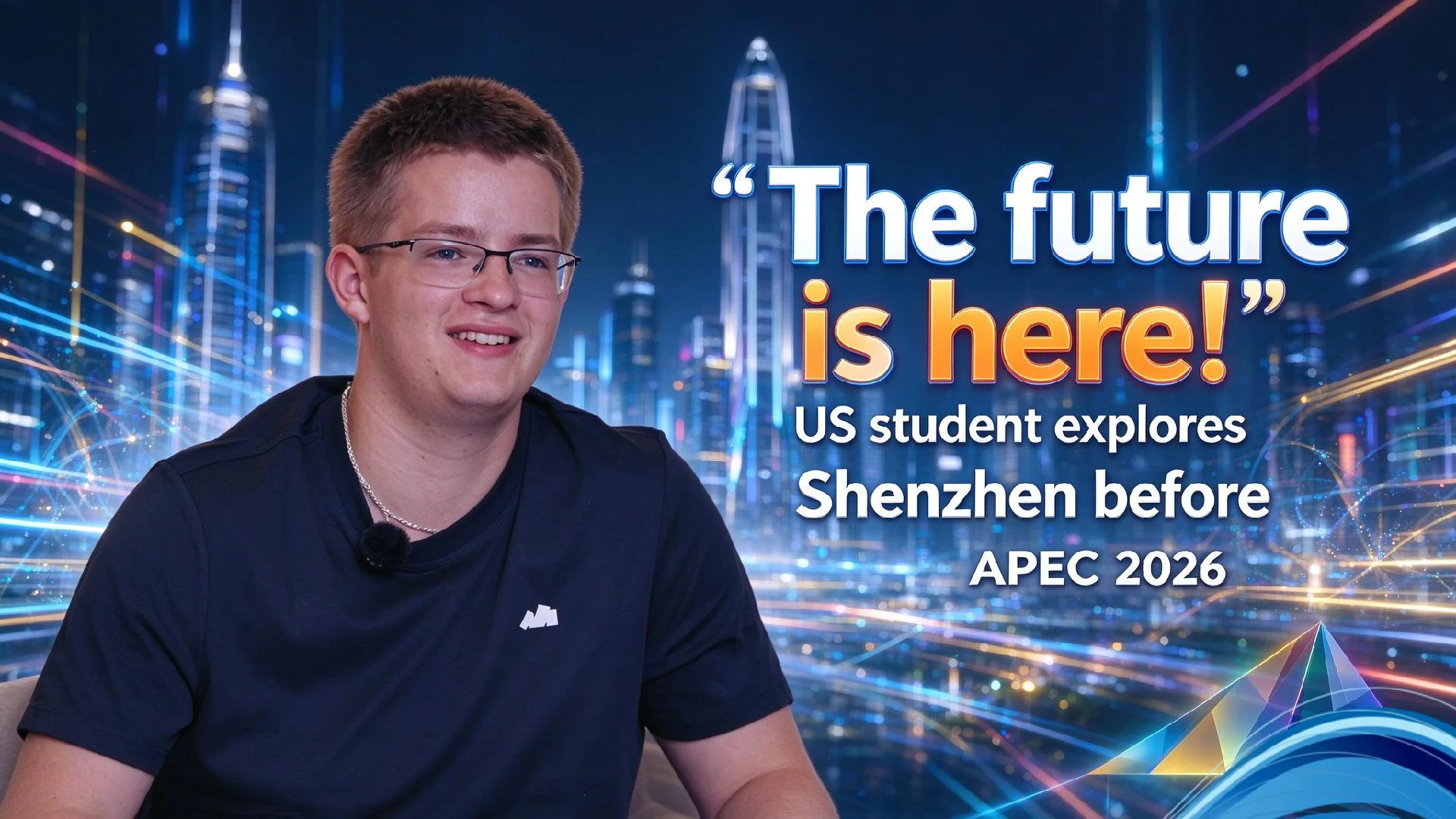
Shenzhen: A Glimpse into Tomorrow’s Urban Landscape
Shenzhen, a city that has transformed from a small fishing village into a global technology hub, offers a compelling case study in rapid urban development and innovation. This analysis explores the multifaceted structure of Shenzhen, examining its economic drivers, technological advancements, urban planning, and social fabric. By understanding these components, we can gain insight into how Shenzhen has achieved its remarkable growth and what its future might hold. The city’s dynamic evolution serves as a powerful example for urban centers worldwide, showcasing a unique blend of ambition, technology, and strategic planning.
The Economic Engine: From Manufacturing to Innovation
Shenzhen’s economic ascent is one of the most dramatic in modern history. Initially designated as China’s first Special Economic Zone in 1980, it was tasked with attracting foreign investment and experimenting with market-oriented reforms. This strategic decision laid the foundation for its future success. The city quickly became a manufacturing powerhouse, producing a vast array of goods for the global market. However, Shenzhen did not rest on its laurels. It actively encouraged a shift from low-cost manufacturing to high-tech industries, fostering an environment where innovation could thrive.
This transition was driven by several key factors. Government policies played a crucial role, offering incentives for research and development, establishing technology parks, and supporting startups. Furthermore, Shenzhen’s proximity to Hong Kong provided access to capital and international markets. The influx of talent, both from within China and from abroad, also fueled its growth. Entrepreneurs and engineers were drawn to the city’s dynamic atmosphere and the opportunities it presented. This created a virtuous cycle, where economic success led to further investment in infrastructure and education, attracting even more talent and innovation.
Today, Shenzhen is a global leader in areas such as telecommunications, electronics, and biotechnology. Companies like Huawei, Tencent, and DJI have emerged from Shenzhen, becoming household names worldwide. The city’s economic structure is now characterized by a strong emphasis on research and development, with significant investment in cutting-edge technologies like artificial intelligence, 5G, and the Internet of Things (IoT). This strategic pivot has not only diversified its economy but also positioned it at the forefront of technological progress. The city’s ability to adapt and reinvent itself is a testament to its resilient economic model.
The economic structure of Shenzhen can be broadly categorized into several key sectors, each contributing to its overall dynamism:
High-Tech Manufacturing and Electronics
This sector remains a cornerstone of Shenzhen’s economy. The city is a global hub for the production of consumer electronics, semiconductors, and telecommunications equipment. Companies based here are responsible for a significant portion of the world’s electronic devices, from smartphones and laptops to advanced networking gear. The concentration of suppliers, manufacturers, and research facilities in this sector creates a powerful ecosystem that drives efficiency and innovation. This includes the entire supply chain, from component sourcing to final assembly and distribution.
Information Technology and Software Development
Shenzhen is home to some of the world’s largest technology companies, particularly in the internet and software sectors. Tencent, the creator of WeChat, is a prime example, with its platform deeply integrated into daily life in China and beyond. This sector thrives on a large pool of skilled software engineers and a rapidly growing domestic market. The development of mobile applications, cloud computing services, and digital platforms continues to expand, contributing significantly to the city’s GDP.
Financial Services and Fintech
As a major economic center, Shenzhen has developed a robust financial services sector. This includes banking, investment, and insurance. More recently, the city has become a leader in financial technology (fintech). Innovations in mobile payments, digital banking, and blockchain technology are transforming how financial transactions are conducted. This sector benefits from the city’s strong technological infrastructure and its forward-thinking regulatory environment.
Biotechnology and Life Sciences
Recognizing the potential of emerging industries, Shenzhen has made significant investments in biotechnology and life sciences. The city is actively promoting research in areas such as genetic engineering, pharmaceuticals, and medical devices. Several research institutions and biotech companies have established a presence here, aiming to capitalize on the growing global demand for healthcare innovations. This sector represents a future growth area for Shenzhen’s economy.
Creative Industries and Design
Beyond its technological prowess, Shenzhen is also fostering growth in creative industries. This includes design, animation, gaming, and cultural content creation. The city’s vibrant urban environment and its status as a melting pot of cultures provide fertile ground for creative expression. Government support for these sectors aims to diversify the economy further and enhance the city’s cultural appeal.
The continuous evolution of these sectors, driven by innovation and strategic investment, underscores Shenzhen’s commitment to maintaining its position as a global economic powerhouse. Its ability to adapt to changing market demands and technological trends is key to its sustained success.
Technological Innovation: The Heartbeat of Shenzhen
Shenzhen’s identity is inextricably linked to its technological prowess. It is often referred to as China’s “Silicon Valley,” a testament to its vibrant ecosystem of innovation. This reputation is well-earned, as the city has consistently pushed the boundaries of what is possible in various technological fields. From the development of 5G networks to the widespread adoption of artificial intelligence, Shenzhen is at the forefront of technological advancement.
The city’s commitment to innovation is evident in its substantial investment in research and development. Both public and private sectors pour significant resources into R&D, fostering a culture of experimentation and discovery. This investment has led to groundbreaking advancements in areas such as robotics, drones, electric vehicles, and smart city technologies. Companies are not only developing new products but also creating entirely new industries.
One of the most visible aspects of Shenzhen’s technological leadership is its advanced infrastructure. The city has embraced smart city concepts, integrating technology into its urban management and daily life. This includes smart transportation systems, efficient energy grids, and widespread digital connectivity. The rapid deployment of 5G networks, for instance, has enabled new applications and services, further enhancing the city’s technological capabilities.
Furthermore, Shenzhen has become a global hub for hardware innovation. Its manufacturing capabilities allow for rapid prototyping and scaling of new technologies. This “hardware ecosystem” is unique, enabling inventors and entrepreneurs to bring their ideas to market quickly and efficiently. The proximity of design, manufacturing, and testing facilities accelerates the innovation cycle, making Shenzhen an ideal place for hardware startups.
The spirit of innovation in Shenzhen is also fueled by its highly competitive market. Companies constantly strive to outdo each other, leading to rapid product development and technological upgrades. This intense competition, while challenging, drives progress and ensures that Shenzhen remains at the cutting edge of technological development. The city’s ability to attract and retain top talent in science and engineering further bolsters its innovative capacity.
Key areas of technological focus and achievement in Shenzhen include:
5G Technology and Telecommunications
Shenzhen is a global leader in the development and deployment of 5G technology, largely driven by companies like Huawei. This has enabled faster mobile internet speeds, lower latency, and the foundation for numerous new applications, from enhanced mobile gaming to advanced industrial automation. The city’s infrastructure is designed to support these next-generation networks, making it a testbed for 5G innovation.
Artificial Intelligence (AI) and Machine Learning
AI is rapidly permeating various sectors in Shenzhen. From smart city management and autonomous vehicles to personalized consumer services, AI algorithms are being developed and deployed at an unprecedented scale. Research institutions and tech giants are investing heavily in AI research, aiming to create intelligent systems that can solve complex problems and improve efficiency across industries.
Robotics and Automation
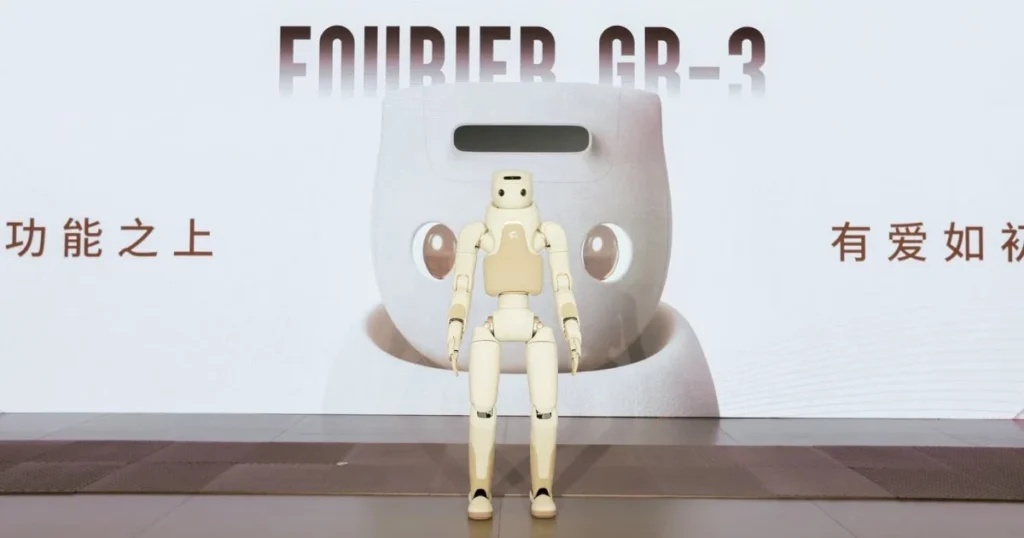
Shenzhen is a major center for robotics development and manufacturing. Companies are producing robots for industrial automation, logistics, and even consumer use. The integration of AI with robotics is leading to more sophisticated and versatile machines capable of performing complex tasks. This has significant implications for manufacturing, healthcare, and service industries.
Electric Vehicles (EVs) and Autonomous Driving
Shenzhen is at the forefront of the electric vehicle revolution. Companies like BYD are global leaders in EV manufacturing. The city is also a hub for autonomous driving technology, with extensive testing and development of self-driving vehicles. This focus on sustainable transportation is supported by government policies and a strong technological base.
Internet of Things (IoT)
The proliferation of connected devices is a hallmark of Shenzhen’s smart city initiatives. IoT technologies are being integrated into homes, buildings, transportation, and public services, creating a more interconnected and responsive urban environment. This generates vast amounts of data that can be used to optimize city operations and improve the quality of life for residents.
The continuous drive for technological advancement in Shenzhen is not just about creating new gadgets; it’s about fundamentally reshaping how people live, work, and interact with their environment. This relentless pursuit of innovation solidifies Shenzhen’s position as a global technology leader.
Urban Planning and Infrastructure: Building a Modern Metropolis
Shenzhen’s transformation into a modern metropolis is a story of ambitious urban planning and massive infrastructure development. Unlike many older cities with centuries of history and established layouts, Shenzhen had the unique advantage of being a “blank slate” in many respects. This allowed planners to design and build a city from the ground up, incorporating the latest ideas in urban design and infrastructure.
The city’s master plans have been instrumental in guiding its growth. These plans have focused on creating a functional, efficient, and livable urban environment. Key elements include the development of a comprehensive public transportation system, the creation of green spaces, and the establishment of distinct economic and residential zones. The emphasis has been on creating a city that can support a large and growing population while also fostering economic activity.
Transportation is a critical component of Shenzhen’s urban planning. The city boasts an extensive and efficient subway system, one of the busiest in the world. This is complemented by a vast network of bus routes, making it easy for residents to navigate the sprawling metropolis without relying heavily on private vehicles. The development of high-speed rail links has also connected Shenzhen to other major cities in China, further enhancing its connectivity.
Green spaces and environmental considerations have also become increasingly important in Shenzhen’s urban planning. While the city is known for its rapid development, there has been a growing effort to integrate parks, greenways, and other natural elements into the urban fabric. This aims to improve air quality, provide recreational opportunities, and enhance the overall quality of life for residents. The city is also investing in sustainable infrastructure, such as renewable energy sources and advanced waste management systems.
The development of a modern skyline, characterized by towering skyscrapers and state-of-the-art buildings, is another visual hallmark of Shenzhen’s urban planning. The city has attracted world-class architects and developers, resulting in a collection of impressive architectural achievements. These structures house businesses, residences, and public facilities, reflecting the city’s economic dynamism and its forward-looking vision.
However, rapid urbanization also presents challenges. Managing population growth, ensuring affordable housing, and maintaining environmental sustainability are ongoing concerns. Shenzhen’s urban planners are continuously working to address these issues, seeking innovative solutions to balance development with the needs of its citizens and the environment. The city’s ability to adapt its planning strategies in response to these challenges will be crucial for its future.
Key aspects of Shenzhen’s urban planning and infrastructure include:
Integrated Public Transportation Network
Shenzhen has invested heavily in a multi-modal public transportation system. This includes an extensive subway network, a comprehensive bus system, and efficient taxi services. The goal is to provide seamless and affordable mobility for all residents, reducing reliance on private cars and alleviating traffic congestion. The integration of these systems allows for easy transfers and efficient travel across the city.
Smart City Initiatives
Shenzhen is a pioneer in smart city development. This involves using technology to improve urban services, enhance public safety, and optimize resource management. Examples include smart traffic management systems, intelligent street lighting, and digital platforms for citizen services. The aim is to create a more efficient, sustainable, and responsive urban environment.
Green Building and Sustainable Development
There is a growing emphasis on green building practices and sustainable development in Shenzhen. This includes the construction of energy-efficient buildings, the use of renewable energy sources, and the implementation of advanced waste management and recycling programs. The city is striving to balance its rapid growth with environmental protection.
Development of Central Business Districts (CBDs) and Economic Zones
Shenzhen’s urban planning has involved the strategic development of specialized zones. This includes major Central Business Districts (CBDs) that house corporate headquarters and financial institutions, as well as numerous industrial parks and technology hubs. These zones are designed to foster economic activity and attract investment.
Public Spaces and Greenery
While a highly urbanized city, Shenzhen has made efforts to incorporate public spaces and green areas. Parks, waterfront promenades, and community gardens are integrated into the urban landscape, providing residents with places for recreation and relaxation. This focus on quality of life is an important aspect of modern urban planning.
Shenzhen’s approach to urban planning demonstrates a commitment to creating a functional, technologically advanced, and increasingly livable city. Its continuous adaptation and investment in infrastructure are key to supporting its ongoing growth and development.
Social Fabric and Cultural Landscape: A Melting Pot of Ambition
Shenzhen’s social fabric is as dynamic and evolving as its economy and urban landscape. As a city built on migration and ambition, it has attracted people from all over China and the world, creating a unique cultural blend. This constant influx of new residents has shaped Shenzhen into a cosmopolitan and forward-thinking society. The city’s culture is characterized by its youthful energy, its embrace of innovation, and its pragmatic approach to life.
The rapid growth of Shenzhen has meant that its population is relatively young compared to many other major Chinese cities. This demographic profile contributes to the city’s vibrant atmosphere and its openness to new ideas and trends. Young professionals, entrepreneurs, and students are drawn to Shenzhen’s opportunities, bringing with them diverse perspectives and a drive to succeed. This creates a lively and energetic social environment.
While Shenzhen may not have the deep historical roots of cities like Beijing or Shanghai, it has developed its own distinct cultural identity. This identity is closely tied to its status as a hub of innovation and entrepreneurship. The “Shenzhen Speed” is a term often used to describe the city’s rapid pace of development and its ability to execute projects quickly. This ethos permeates the city’s social culture, fostering a sense of urgency and a focus on results.
The city’s cultural landscape is also shaped by its diverse population. With people from different provinces and backgrounds, Shenzhen is a melting pot of traditions and customs. This diversity is celebrated through various cultural events, festivals, and culinary offerings. The city embraces this multiculturalism, creating an inclusive environment where people from different walks of life can coexist and contribute to society.
Education and talent development are high priorities in Shenzhen. The city has invested heavily in its educational institutions, from universities and research centers to vocational training programs. This focus on human capital is essential for sustaining its technological and economic growth. By nurturing talent, Shenzhen ensures a continuous supply of skilled professionals to drive its innovation engine.
However, the rapid pace of development and the transient nature of some of its population also present social challenges. Issues such as housing affordability, social integration, and the need for robust social services are ongoing considerations for the city. Shenzhen’s leadership is increasingly focused on addressing these social aspects to ensure that its growth is sustainable and benefits all its residents.
Key elements of Shenzhen’s social fabric and cultural landscape include:
A Migrant City with Diverse Origins
Shenzhen’s population is largely composed of migrants from other parts of China and abroad. This has created a unique social dynamic where people from diverse backgrounds come together, contributing to a rich tapestry of cultures, languages, and traditions. This constant exchange fosters adaptability and openness.
Entrepreneurial Spirit and Innovation Culture
The city is renowned for its entrepreneurial spirit. This culture of innovation and risk-taking is deeply ingrained in its social fabric, encouraging individuals to pursue new ideas and start businesses. This drive is a key factor in Shenzhen’s economic success and its dynamic social environment.
Youthful Demographics and Vibrant Lifestyle
Shenzhen has a relatively young population, which contributes to its energetic and fast-paced lifestyle. The city offers a wide range of entertainment, dining, and recreational activities, catering to the preferences of its younger residents. This vibrancy is a significant draw for talent.
Emphasis on Education and Talent Development
Recognizing the importance of human capital, Shenzhen places a strong emphasis on education and talent development. The city invests in universities, research institutions, and vocational training to cultivate a skilled workforce capable of supporting its high-tech industries. This focus ensures a pipeline of talent for future growth.
Evolving Cultural Scene
While historically known for its economic focus, Shenzhen’s cultural scene is rapidly evolving. The city is developing its arts, music, and film industries, with a growing number of galleries, theaters, and cultural festivals. This diversification adds another layer to its identity beyond technology and business.
Shenzhen’s social and cultural landscape is a testament to its dynamic nature. It is a city where ambition, diversity, and innovation converge, creating a unique and compelling urban experience.
Challenges and Future Outlook: Navigating the Path Ahead
Despite its remarkable achievements, Shenzhen faces a number of challenges as it looks to the future. The very factors that have driven its success—rapid growth, technological advancement, and a dynamic economy—also present complex issues that require careful management. Navigating these challenges will be critical for ensuring Shenzhen’s continued prosperity and livability.
One of the most significant challenges is maintaining its edge in innovation. As other cities and regions around the world invest heavily in technology and R&D, Shenzhen must continue to innovate and adapt to stay ahead. This requires sustained investment in research, fostering a supportive ecosystem for startups, and attracting and retaining top global talent. The competition is fierce, and the pace of technological change is relentless.
Housing affordability is another pressing issue. The rapid influx of people and the city’s economic success have driven up property prices, making it increasingly difficult for many residents, especially young professionals and families, to afford housing. Addressing this challenge will require innovative urban planning and housing policies to ensure that Shenzhen remains an accessible city for its workforce.
Environmental sustainability is also a growing concern. While Shenzhen has made strides in green development, the sheer scale of its industrial activity and population density place significant pressure on its environment. Continued investment in renewable energy, pollution control, and green infrastructure will be essential to mitigate these impacts and ensure a healthy environment for its residents.
Furthermore, as Shenzhen continues to mature, it faces the challenge of balancing economic growth with social equity and cultural development. Ensuring that the benefits of its economic success are shared broadly across society, and fostering a rich and diverse cultural landscape, will be important for its long-term social cohesion and well-being. This includes developing robust social services and preserving aspects of its unique identity.
Looking ahead, Shenzhen’s future outlook remains bright, underpinned by its strong foundation in technology, innovation, and strategic planning. The city is well-positioned to continue its role as a global leader in various technological fields, from AI and 5G to biotechnology and new energy vehicles. Its ongoing efforts to build a smart and sustainable city will likely serve as a model for urban development worldwide.
The city’s strategic location within the Greater Bay Area initiative also presents significant opportunities for further integration and collaboration with neighboring economic centers like Hong Kong and Guangzhou. This regional synergy could unlock new avenues for growth and innovation.
Ultimately, Shenzhen’s ability to adapt to evolving global trends, address its internal challenges proactively, and continue to foster an environment of innovation and opportunity will determine its trajectory in the coming decades. It is a city that has consistently defied expectations, and its journey is far from over.
Key challenges and future considerations for Shenzhen include:
Sustaining Technological Leadership
In a rapidly evolving global landscape, Shenzhen must continuously invest in R&D and foster an environment that encourages groundbreaking innovation to maintain its competitive edge. This involves supporting emerging technologies and adapting to new scientific discoveries.
Addressing Housing Affordability
The rising cost of living, particularly housing, poses a significant challenge to attracting and retaining talent. Developing innovative housing solutions and policies is crucial for ensuring the city remains accessible and livable.
Environmental Protection and Sustainability
Balancing industrial growth with environmental preservation is a critical long-term challenge. Continued efforts in pollution control, resource management, and the adoption of green technologies are essential.
Social Equity and Inclusion
As the city grows, ensuring that its economic prosperity is shared equitably and that all residents have access to opportunities and social services is paramount for social harmony.
Regional Integration and Collaboration
Leveraging its position within the Greater Bay Area offers opportunities for enhanced economic cooperation, talent exchange, and joint development initiatives with neighboring cities.
Shenzhen’s journey from a small village to a global innovation hub is a remarkable testament to human ingenuity and strategic vision. Its structured approach to economic development, technological advancement, urban planning, and social integration provides valuable lessons for cities around the world. As it navigates future challenges, Shenzhen is poised to remain at the forefront of global urban development, continuing to shape the future of cities.
The city’s commitment to progress, coupled with its adaptive strategies, suggests a future where innovation, sustainability, and quality of life are increasingly intertwined. Shenzhen’s story is a dynamic narrative of transformation, offering a compelling glimpse into what tomorrow’s urban centers can achieve.

Conversation
0 Comments