

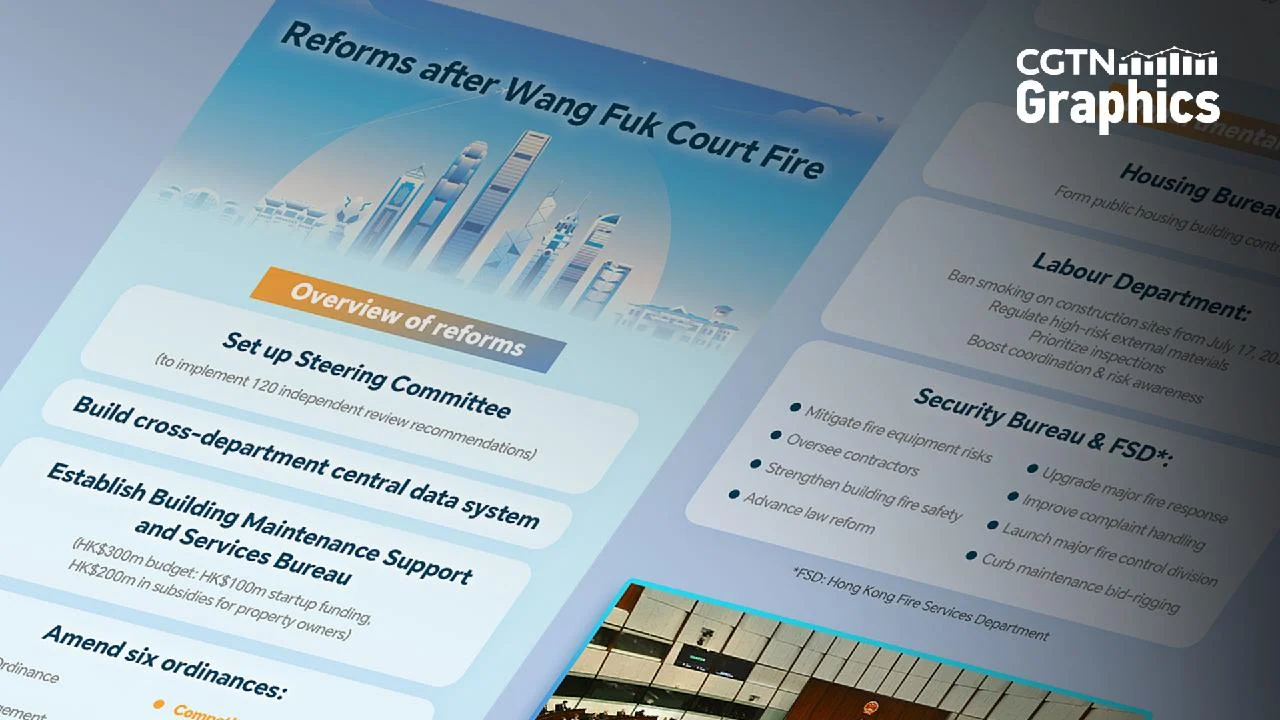
The aftermath of a tragic fire at Wang Fuk Court in Hong Kong has spurred significant reforms aimed at enhancing building safety and emergency response protocols. Following the devastating blaze, which resulted in loss of life and extensive damage, a thorough investigation was conducted. The findings of this investigation led to the release of a comprehensive report detailing numerous recommendations for improvement. In response, the Hong Kong government has committed to implementing a wide array of measures designed to prevent similar incidents and better protect its citizens. This article will explore the key reforms being introduced, examining their potential impact on public safety and the future of building management in the region.
Understanding the Wang Fuk Court Incident
The fire at Wang Fuk Court served as a stark reminder of the critical importance of robust safety measures in residential buildings. While the specifics of the fire’s origin and spread are complex, the incident highlighted systemic issues that needed urgent attention. Investigations revealed shortcomings in areas such as fire prevention systems, evacuation procedures, and the overall maintenance of building safety standards. The human cost of the tragedy underscored the need for swift and decisive action to address these vulnerabilities.
The Independent Committee’s investigation report, released after the incident, provided a detailed analysis of the factors contributing to the fire and its devastating consequences. This report did not just identify problems; it also offered a roadmap for rectifying them. The 120 recommendations put forth by the committee cover a broad spectrum of safety concerns, from the physical infrastructure of buildings to the training and preparedness of emergency services and building management staff. The government’s commitment to acting on these recommendations signals a new era of focus on public safety in Hong Kong.
Key Reform Areas and Their Impact
The reforms stemming from the Wang Fuk Court incident can be broadly categorized into several key areas, each designed to address specific weaknesses identified in the investigation. These include enhancements to fire prevention and detection systems, improvements in building maintenance and management, stricter enforcement of safety regulations, and better emergency preparedness and response.
Upgrading Fire Prevention and Detection Systems
A primary focus of the reform efforts is the modernization and enhancement of fire prevention and detection systems in residential buildings. This involves ensuring that buildings are equipped with state-of-the-art smoke detectors, fire alarms, and sprinkler systems that are regularly maintained and tested. The goal is to detect fires in their earliest stages, allowing for quicker evacuation and more effective firefighting.
The reforms also address the issue of combustible materials in building construction and renovation. Stricter guidelines are being introduced regarding the types of materials that can be used, particularly in common areas and external facades, to reduce the risk of fire spread. Regular inspections will be conducted to ensure compliance, and penalties for non-compliance will be increased to deter negligence.
Enhancing Building Maintenance and Management
The investigation into the Wang Fuk Court fire revealed that poor maintenance and management practices contributed to the severity of the incident. Consequently, the new reforms place a greater emphasis on the responsibilities of building owners and management companies. This includes ensuring that fire escapes are clear, emergency exits are functional, and all safety equipment is in good working order.
New regulations are being introduced to mandate regular safety audits for all residential buildings. These audits will be conducted by qualified professionals and will cover a wide range of safety aspects, including electrical systems, gas installations, and fire safety equipment. Building owners will be required to address any identified issues promptly, with clear timelines for rectification.
Furthermore, the reforms aim to improve the training and qualifications of building management staff. They will be required to undergo regular training on fire safety, emergency procedures, and the proper use of fire-fighting equipment. This ensures that building management personnel are well-equipped to handle emergencies and to maintain a safe living environment for residents.
Strengthening Regulatory Enforcement
A critical component of the reform package is the strengthening of regulatory enforcement. This involves empowering relevant government departments to conduct more frequent and thorough inspections of buildings. The aim is to ensure that all buildings comply with the latest safety standards and regulations.
The reforms also include provisions for stricter penalties for building owners and management companies that fail to meet safety requirements. This could range from substantial fines to legal action, depending on the severity of the violation. The increased accountability is intended to ensure that safety is prioritized over cost-saving measures that could compromise residents’ well-being.
The government is also looking at ways to streamline the process for reporting safety concerns. Residents will be encouraged to report any potential hazards or non-compliance issues they observe, and a clear system will be established to ensure that these reports are investigated promptly and effectively. This community-based approach to safety monitoring is expected to be a valuable addition to the regulatory framework.
Improving Emergency Preparedness and Response
Beyond prevention, the reforms also focus on enhancing the effectiveness of emergency response. This includes improving the coordination between different emergency services, such as the fire department, police, and ambulance services. Joint training exercises and simulations will be conducted regularly to ensure that all agencies can work together seamlessly during a crisis.
The reforms also address the need for better public education on fire safety and emergency procedures. Campaigns will be launched to inform residents about what to do in case of a fire, including evacuation routes, the importance of not using elevators, and how to report emergencies. This public awareness component is vital for ensuring that residents are prepared to act responsibly during an emergency.
Additionally, the government is investing in upgrading the equipment and training of the fire department. This includes acquiring advanced firefighting technology and ensuring that firefighters have the necessary skills to handle complex emergencies in high-rise buildings. The aim is to reduce response times and improve the effectiveness of firefighting operations.
Specific Recommendations and Implementation
The 120 recommendations from the Independent Committee’s report cover a wide array of specific actions. These range from minor adjustments to existing systems to major overhauls of building infrastructure and management protocols. The government has outlined a phased approach to implementing these recommendations, prioritizing those that address the most immediate risks.
One significant area of focus is the retrofitting of older buildings with modern fire safety features. Many older residential buildings in Hong Kong may not meet current safety standards, and the reforms aim to bring them up to code. This could involve installing new fire-resistant doors, upgrading electrical wiring, and improving ventilation systems to prevent smoke buildup.
Another key recommendation relates to the management of common areas within buildings. This includes ensuring that corridors, stairwells, and lobbies are kept clear of obstructions and are properly lit. The reforms will also address the issue of illegal structures and unauthorized alterations that can compromise fire safety.
The government is also committed to improving the transparency and accountability of building management. This includes establishing a clear framework for the responsibilities of building owners, incorporated owners, and property management companies. Residents will have more avenues to seek redress if they believe their building’s safety is being compromised.
The implementation of these reforms will require significant investment and collaboration between various government departments, building owners, and management companies. The government has pledged to provide support and guidance to facilitate the transition, including offering financial incentives for certain upgrades where appropriate.
The Role of Technology in Enhancing Safety
Technology is playing an increasingly important role in the new safety initiatives. Smart building technologies are being explored and adopted to enhance monitoring, detection, and response capabilities. This includes the use of advanced sensors for early fire and smoke detection, as well as systems that can automatically alert emergency services and building management in case of an incident.
Building information modeling (BIM) is also being considered as a tool for better building design, construction, and maintenance. BIM can help in identifying potential safety hazards during the design phase and can provide a comprehensive digital record of a building’s structure and systems, which is invaluable for maintenance and emergency planning.
The use of data analytics is also being explored to identify patterns and trends in building safety incidents. By analyzing data from past fires and near misses, authorities can gain insights into common risk factors and develop more targeted preventive measures. This data-driven approach can lead to more effective allocation of resources and a proactive safety strategy.
Community Engagement and Awareness
Beyond regulatory measures and technological advancements, the success of these reforms also hinges on active community engagement and increased public awareness. The government recognizes that building safety is a shared responsibility, and it is crucial for residents to be informed and involved.
Public education campaigns will be intensified to raise awareness about fire hazards in homes and the importance of maintaining a safe living environment. These campaigns will utilize various media channels to reach a broad audience, including information on safe electrical practices, proper storage of flammable materials, and the importance of maintaining smoke detectors.
Residents will be encouraged to participate in building safety committees and to work collaboratively with their building management to address safety concerns. The government aims to foster a culture of safety where everyone feels empowered to contribute to maintaining a secure living environment. This collaborative approach is seen as essential for the long-term success of the reform initiatives.
Challenges and Future Outlook
Implementing such a comprehensive set of reforms is not without its challenges. The sheer scale of the task, particularly in a densely populated city like Hong Kong, requires sustained effort and significant resources. Ensuring consistent compliance across thousands of buildings, many of which are older and may present unique challenges, will be a complex undertaking.
One potential challenge is the cost associated with upgrading building safety features. While the government is exploring ways to support building owners, the financial burden could be substantial, especially for owners of older properties or those with limited financial means. Finding a balance between ensuring safety and affordability will be crucial.
Another challenge lies in the effective coordination of multiple government departments and stakeholders. Successful implementation will require seamless collaboration between the fire services, building departments, housing authorities, and property management sectors. Clear communication channels and shared objectives will be vital.
Despite these challenges, the outlook for building safety in Hong Kong is positive. The commitment shown by the government to address the issues highlighted by the Wang Fuk Court incident is a strong indicator of progress. The comprehensive nature of the reforms, covering prevention, detection, management, enforcement, and response, suggests a holistic approach to improving public safety.
The ongoing monitoring and evaluation of the reform measures will be essential to ensure their effectiveness and to make any necessary adjustments. Continuous improvement will be key to adapting to new challenges and maintaining the highest standards of safety for all residents. The ultimate goal is to create a safer living environment, where the lessons learned from past tragedies translate into concrete actions that protect lives and property.
Conclusion
The tragic fire at Wang Fuk Court served as a critical turning point, prompting a thorough re-evaluation of building safety standards and emergency response protocols in Hong Kong. The subsequent release of the Independent Committee’s report and the government’s commitment to implementing its 120 recommendations mark a significant step forward in safeguarding the public. The reforms encompass a wide range of measures, from upgrading fire prevention and detection systems to enhancing building maintenance, strengthening regulatory enforcement, and improving emergency preparedness. By embracing technological advancements and fostering community engagement, Hong Kong is striving to create a safer and more resilient urban environment. While challenges remain in the implementation of these extensive reforms, the proactive and comprehensive approach taken by the authorities offers a promising outlook for the future of building safety in the region. The lessons learned from this incident are being translated into tangible actions, aiming to prevent future tragedies and ensure the well-being of all residents.


Conversation
0 Comments