

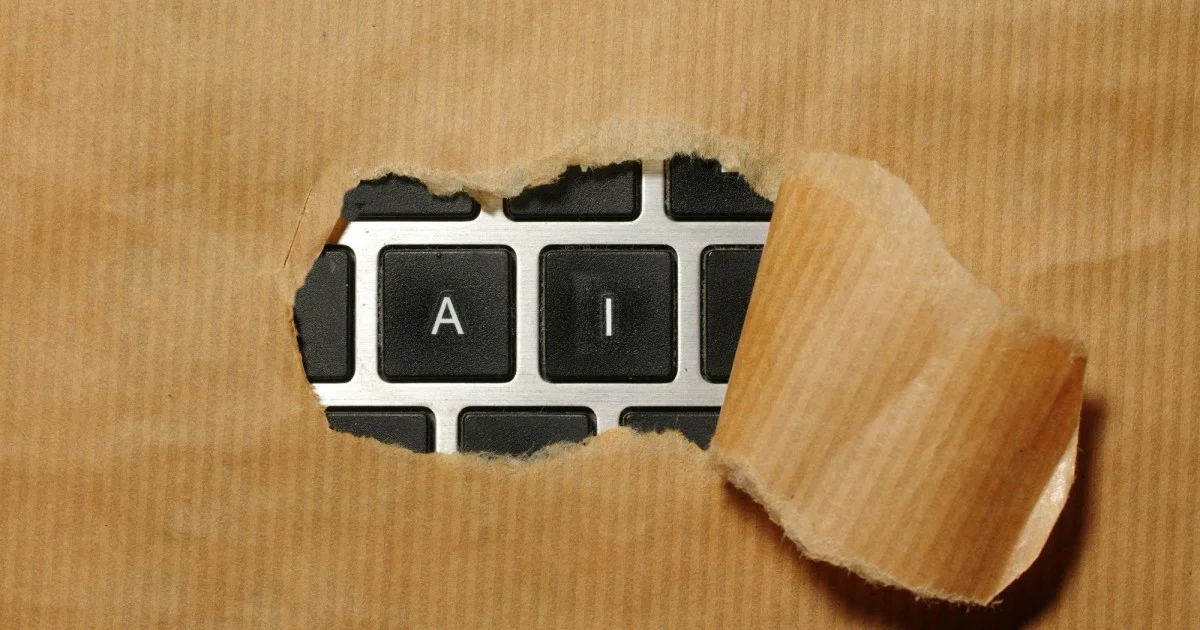
The AI Writing Paradox: When Perfect Prose Becomes Suspicious
The landscape of writing is shifting in unexpected ways, driven by the rapid advancement of artificial intelligence. As AI writing tools become more sophisticated, so too do the methods for detecting their output. This has led to a peculiar situation where human writers are beginning to question their own natural writing styles, fearing that clear, well-crafted prose might be mistaken for machine-generated content. The very tools designed to identify AI are now influencing how humans express themselves, creating a new kind of anxiety for authors, students, and anyone who puts words on a page.
This phenomenon raises important questions about authenticity, creativity, and the future of writing. Are we entering an era where human expression must be deliberately imperfect to be recognized as genuine? This article will explore the reasons behind this shift, the implications for writers, and what it means for the distinction between human and artificial intelligence in the written word.
The Rise of AI Detection and Its Unintended Consequences
AI detection tools, such as Pangram, have become increasingly prevalent. Initially developed to identify content generated by AI, these tools are now so advanced that they can analyze thousands of signals within a text to determine its origin. While they aim for accuracy, their widespread use has sparked debate and concern among writers. The issue is not just about catching AI; it’s about how these detectors are influencing human writing habits.
One of the most concerning aspects is the potential for false positives. A writer might produce a piece of work entirely on their own, yet a detection tool could flag it as largely AI-generated. This has happened to authors like Mia Ballard, whose novel “Shy Girl” was withdrawn by its publisher after receiving a high AI-generated score from Pangram. Ballard maintains she did not use AI for the novel, but the controversy persisted, affecting her subsequent work. Even text she claims to have written by hand received a 100% AI-generated score from the same tool.
This situation highlights a critical flaw: AI detectors are not infallible. Pangram, for instance, claims a very low false-positive rate, but mistakes are still possible. The line between AI-generated and AI-assisted writing also remains blurry. According to Pangram, using AI to turn bullet points into an article is considered AI-generated, while asking it to rephrase existing human text is AI-assisted. This distinction can be difficult to navigate and can lead to misinterpretations.
The impact extends beyond professional authors. Students are also facing scrutiny, with universities employing AI detectors to assess academic integrity. Reports of students being wrongly accused have surfaced, leading to the development of tools like BotOut, designed to flag words or phrases that might trigger suspicion from AI detectors. This creates an environment where students may feel pressured to alter their writing to avoid being flagged, potentially hindering their development of a unique voice.
Writers Adapting: The Deliberate Imperfection Trend
In response to the growing prevalence and perceived accuracy of AI detection, writers are beginning to adopt new strategies. To avoid sounding too much like AI, they are consciously steering clear of stylistic elements that these detectors might flag. This includes avoiding patterns like rhetorical repetition, parallel sentence structures, and the “rule of three,” which are often associated with AI-generated text.
Some writers are going even further, deliberately introducing imperfections into their work. This can involve making grammatical errors, using less polished phrasing, or even adding typos. The goal is to make their writing appear more “human” and less like the often-too-perfect output of an AI. This trend is sometimes referred to as “deliberate imperfection” or “humanizing AI.”
This shift is not just about avoiding detection; it’s about preserving a sense of authentic human expression. Writers worry that if their natural style is flagged as AI, they will be forced to adopt a less refined approach. Jerry Falade, a Nigerian writer, has expressed concern that avoiding supposed AI writing patterns could lead to a flattening of prose that is deeply rooted in other languages and cultures. This suggests that the drive to conform to AI detection standards could inadvertently erase linguistic diversity and unique cultural expressions in writing.
The anxiety surrounding AI detection is creating a new kind of writing challenge. Writers may find themselves spending more time trying to prove their work is human than focusing on the content, research, and ideas within it. This can be a frustrating experience, especially for those who have honed their craft over years.
The Blurring Lines: Human vs. Machine in Writing
The core of the issue lies in the increasingly blurred distinction between human and machine writing. Linguists observe that people are already unconsciously absorbing and avoiding chatbot language, leading to a hybrid writing style. As AI tools and detection systems continue to evolve, this blurring will likely intensify.
The challenge for writers is to maintain their authentic voice while navigating a landscape where their natural style might be misinterpreted. The pressure to conform to what AI detectors deem “human” could lead to a homogenization of writing, where unique voices and stylistic choices are suppressed. This is particularly concerning for creative writers who rely on distinct styles to convey emotion, character, and theme.
The debate also touches upon the very definition of good writing. If AI can produce grammatically perfect, logically structured text, does that make it superior? Or is there inherent value in the imperfections, the quirks, and the unique rhythms that characterize human writing? Many argue that true human writing is not just about correctness but about conveying personality, experience, and a unique perspective.
The current situation forces writers to question whether their work will be judged on its merit or on its perceived origin. As one writer expressed, “I want my work to be judged on its ideas, reporting, research, and the effort behind it, not on whether an algorithm approves of my writing style.” This sentiment captures the frustration of feeling that the creative process is being undermined by technological gatekeepers.
Navigating the Future of Writing: Authenticity and Technology
The rise of AI detection tools presents a complex challenge for the writing community. While the intention behind these tools is to ensure academic integrity and identify AI-generated content, their current impact is causing writers to second-guess their own styles and consider deliberately introducing errors. This creates a paradox where the pursuit of perfect prose, often seen as a hallmark of good writing, is now being avoided for fear of being labeled as artificial.
The implications are far-reaching. For students, it could mean a struggle to develop a personal writing voice. For professional writers, it could lead to a more cautious and less expressive style. For the broader literary world, it raises questions about what constitutes authentic human expression in an age of advanced AI.
Ultimately, the focus should remain on the quality of ideas, the depth of research, and the genuine effort behind the writing, rather than on whether a piece of text conforms to an algorithm’s definition of human. As AI continues to evolve, so too will the methods of detection and the nature of writing itself. The challenge lies in finding a balance that allows technology to assist without dictating, and that celebrates the unique and often imperfect beauty of human creativity.
The organization behind this analysis is Digital Trends.


Conversation
0 Comments