

Understanding Building Maintenance: A Deep Dive into Safety, Regulations, and Best Practices
Building maintenance is a critical aspect of property ownership and management. It ensures that structures remain safe, functional, and aesthetically pleasing for their occupants and the public. Neglecting maintenance can lead to a cascade of problems, from minor inconveniences to catastrophic failures, as tragically highlighted by events like the deadly residential fire at Wang Fuk Court in Hong Kong. This article will explore the multifaceted world of building maintenance, covering its importance, the regulatory frameworks that govern it, common challenges, and the best practices that organizations should adopt to ensure the longevity and safety of their properties.
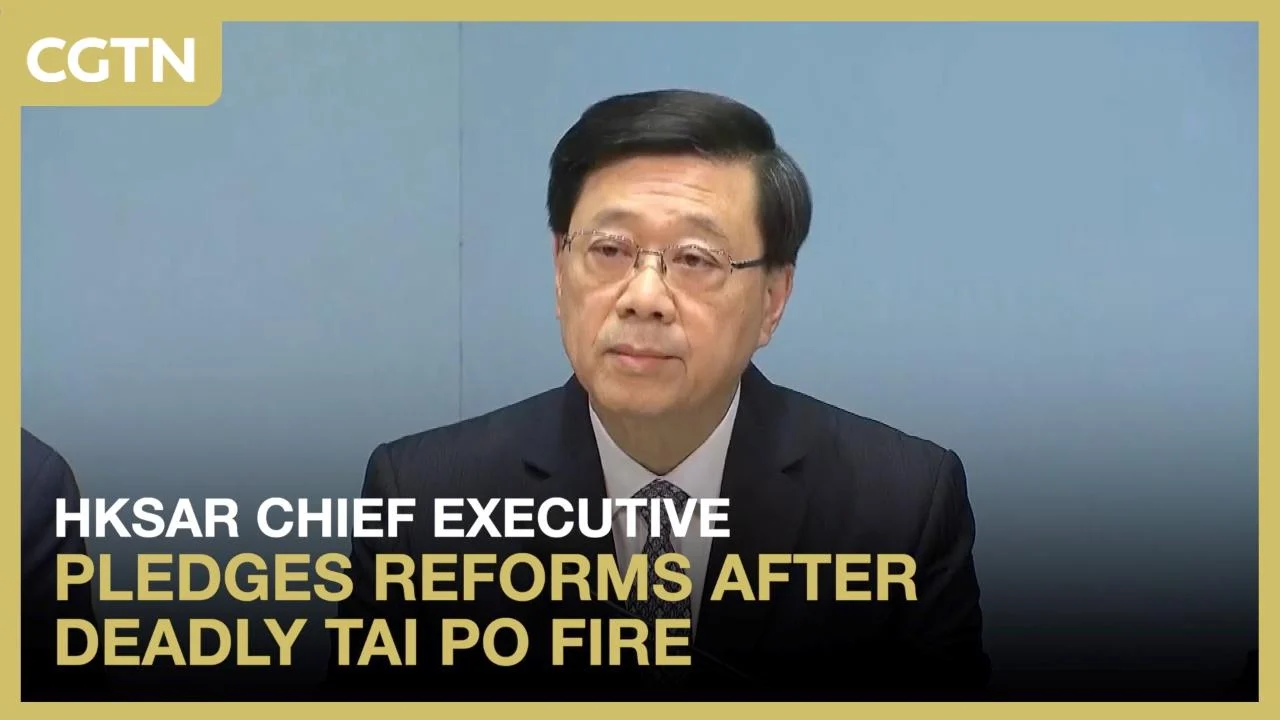
The recent investigation into the Wang Fuk Court fire revealed significant lapses in building maintenance and oversight. The findings pointed to issues such as bid-rigging in maintenance projects, inadequate complaint mechanisms, and a lack of centralized data systems. These problems not only compromised the safety of residents but also led to a loss of public trust. In response, the Hong Kong government announced comprehensive reforms, including criminal proceedings against those involved and a commitment to overhauling the entire system. This situation underscores the profound impact that effective building maintenance policies and their strict enforcement can have on public safety and well-being.
The Crucial Role of Building Maintenance
Building maintenance is far more than just cosmetic upkeep; it is a fundamental necessity for ensuring the safety, habitability, and value of any structure. Regular and thorough maintenance prevents small issues from escalating into major, costly repairs. It also plays a vital role in maintaining the structural integrity of a building, protecting its occupants from potential hazards such as electrical failures, plumbing leaks, or even structural collapse.
Beyond safety, consistent maintenance contributes to the overall lifespan of a building. Properties that are well-cared for tend to last longer, reducing the need for premature demolition and reconstruction. This not only saves resources but also preserves the historical and cultural value of older buildings. Furthermore, a well-maintained building projects an image of professionalism and care, which can be particularly important for businesses and residential complexes. It enhances the living or working environment, contributing to occupant satisfaction and well-being.
Ensuring Occupant Safety
The primary concern in building maintenance is the safety of those who use the building. This includes everything from ensuring fire safety systems are operational to maintaining the structural soundness of walls, floors, and roofs. Regular inspections are key to identifying potential dangers before they cause harm. For instance, faulty wiring can lead to fires, and deteriorating structural elements can pose a risk of collapse. Proper maintenance addresses these issues proactively, preventing accidents and saving lives.
Preserving Property Value
A well-maintained property retains its value over time and can even appreciate. Neglected buildings, on the other hand, often suffer from depreciation, making them less attractive to potential buyers or tenants. Regular upkeep, including painting, repairs, and upgrades, not only keeps the building looking good but also protects the owner’s investment. It signals that the property is managed responsibly, which is a significant factor in its marketability and long-term financial viability.
Enhancing Occupant Comfort and Productivity
The comfort and well-being of occupants are directly linked to the condition of the building. Issues like poor insulation, malfunctioning HVAC systems, or leaky roofs can create uncomfortable living or working conditions. Addressing these problems through regular maintenance ensures a pleasant environment, which can boost productivity in workplaces and improve the quality of life for residents. A comfortable environment also reduces stress and promotes a sense of well-being.
Compliance with Regulations
Building maintenance is not just a matter of good practice; it is often a legal requirement. Governments and local authorities set standards for building safety and habitability, which property owners and managers must adhere to. These regulations cover aspects such as fire safety, electrical systems, plumbing, and structural integrity. Failure to comply can result in fines, legal action, and even the closure of the building. Staying up-to-date with and adhering to these regulations is a fundamental part of responsible building management.
Regulatory Frameworks for Building Maintenance
The regulatory landscape for building maintenance is complex and varies significantly by region. However, most frameworks share common goals: ensuring public safety, protecting the environment, and maintaining property standards. These regulations typically cover new construction, renovations, and ongoing maintenance requirements.
Building Codes and Standards
Building codes are sets of rules that specify the minimum standards for constructed objects such as buildings and nonbuilding structures. These codes are established by laws that mandate the minimum requirements for building safety, health, and general welfare. They dictate everything from the types of materials that can be used to the design of electrical and plumbing systems, and crucially, the standards for ongoing maintenance and inspection.
Fire Safety Regulations
Fire safety is a paramount concern, and regulations often mandate specific requirements for fire prevention and suppression systems. This includes the installation and regular testing of smoke detectors, fire alarms, sprinkler systems, and fire-resistant materials. Emergency exits must be clearly marked and unobstructed. Regular fire drills and maintenance of fire safety equipment are also typically required to ensure they function correctly in an emergency.
Health and Environmental Standards
Beyond immediate safety, maintenance regulations often address health and environmental concerns. This can include standards for indoor air quality, waste management, and the proper disposal of hazardous materials. For example, regulations might require regular checks for mold, asbestos, or lead paint, and specify procedures for their safe removal or containment. Proper ventilation and sanitation are also key components of maintaining a healthy building environment.
Zoning and Land Use Laws
While not directly about maintenance, zoning and land use laws can indirectly influence maintenance practices. These laws dictate how a property can be used, which can affect the type and intensity of maintenance required. For instance, a property zoned for commercial use might have different maintenance obligations than one zoned for residential use, particularly concerning public access and safety.
Enforcement and Penalties
Regulatory bodies are responsible for enforcing these standards. This typically involves a system of inspections, permits, and certifications. When violations are found, penalties can range from warnings and fines to orders for corrective action, and in severe cases, legal prosecution or the condemnation of the building. The Hong Kong fire incident, where the government pledged criminal proceedings and accountability measures, exemplifies the serious consequences of failing to meet regulatory standards.
Common Challenges in Building Maintenance
Despite the clear importance of building maintenance, property owners and managers often face significant challenges in implementing and sustaining effective programs. These obstacles can range from financial constraints to issues with contractor reliability and the complexity of aging infrastructure.
Budgetary Constraints
One of the most significant challenges is securing adequate funding for maintenance. Many organizations operate with tight budgets, and maintenance is often seen as a discretionary expense that can be deferred when funds are scarce. However, this approach is often counterproductive, as deferred maintenance typically leads to more extensive and costly repairs down the line. The initial cost savings are often dwarfed by the long-term expenses.
Aging Infrastructure
Many buildings, especially in older cities, are equipped with aging infrastructure. Pipes, electrical systems, and structural components may be nearing the end of their service life, requiring more frequent and intensive maintenance. Replacing or upgrading these systems can be extremely expensive and disruptive. Identifying and addressing the needs of aging infrastructure requires careful planning and a substantial financial commitment.
Lack of Skilled Personnel
Finding and retaining qualified maintenance staff can be difficult. The work requires a diverse set of skills, from plumbing and electrical work to general repairs and inspections. A shortage of skilled tradespeople can lead to delays in repairs, subpar workmanship, and increased costs. Furthermore, ensuring that staff are up-to-date with the latest technologies and safety protocols requires ongoing training.
Contractor Management
Many building owners and managers rely on external contractors for specialized maintenance tasks. However, managing these contractors effectively can be challenging. Issues such as poor communication, unreliable service, inadequate quality of work, and disputes over billing can arise. As seen in the Hong Kong fire investigation, issues like bid-rigging and a lack of transparency in contractor selection can have severe consequences. Establishing clear contracts, vetting contractors thoroughly, and maintaining open lines of communication are essential.
Regulatory Compliance Complexity
Keeping up with evolving building codes, safety standards, and environmental regulations can be a daunting task. The sheer volume of rules and the potential for changes require constant vigilance and expertise. Ensuring that all maintenance activities comply with the latest requirements demands dedicated resources and knowledge.
Communication and Reporting Gaps
Effective communication is vital for successful building maintenance. This includes clear communication between building management, occupants, and maintenance staff, as well as robust reporting systems. Without proper channels for reporting issues and tracking their resolution, problems can be overlooked or ignored. The Hong Kong investigation highlighted a failure in the complaint mechanism, suggesting that issues raised by residents were not adequately addressed.
Best Practices in Building Maintenance
To overcome these challenges and ensure the safety and longevity of properties, organizations should adopt a proactive and systematic approach to building maintenance. Implementing best practices can significantly improve efficiency, reduce costs, and enhance safety.
Develop a Comprehensive Maintenance Plan
A well-defined maintenance plan is the cornerstone of effective building upkeep. This plan should outline scheduled preventive maintenance tasks, identify critical systems, and establish protocols for emergency repairs. It should be regularly reviewed and updated to reflect changes in the building’s condition, occupancy, and regulatory requirements. The plan should also include a detailed inventory of all building systems and equipment, along with their maintenance history.
Implement a Preventive Maintenance Program
Preventive maintenance involves regular inspections and servicing of building systems and components to identify and address potential issues before they lead to failures. This approach is far more cost-effective than reactive maintenance, which addresses problems only after they occur. A preventive maintenance schedule should cover all essential building systems, including HVAC, electrical, plumbing, fire safety equipment, and structural elements.
Utilize Technology for Maintenance Management
Modern technology offers powerful tools for streamlining maintenance operations. Building Information Modeling (BIM) can provide detailed digital representations of a building, aiding in planning and execution of maintenance tasks. Computerized Maintenance Management Systems (CMMS) can help track work orders, manage inventory, schedule preventive maintenance, and analyze maintenance costs and performance. These systems can also improve communication and reporting.
Establish Clear Contractor Vetting and Management Processes
When engaging external contractors, it is crucial to have a rigorous vetting process. This includes checking references, verifying licenses and insurance, and ensuring they have a proven track record of quality work. Clear contracts that define the scope of work, performance standards, and payment terms are essential. Regular performance reviews and open communication channels will help ensure a productive working relationship. The Hong Kong government’s planned ban on bid-rigging and reforms to maintenance project oversight are critical steps in this area.
Foster Strong Communication and Feedback Loops
Creating effective channels for communication between building management, occupants, and maintenance teams is vital. Occupants should have a clear and easy way to report issues, and management must have a system for tracking and responding to these reports promptly. Regular feedback mechanisms can help identify recurring problems and areas for improvement. The establishment of a dedicated building maintenance support and services bureau, as planned by Hong Kong, aims to centralize and improve these communication and service functions.
Prioritize Training and Professional Development
Ensuring that maintenance staff and management are well-trained and up-to-date with industry best practices and regulatory changes is essential. This includes training on new technologies, safety procedures, and compliance requirements. Investing in professional development not only improves the quality of work but also enhances safety and efficiency.
Conduct Regular Audits and Inspections
Independent audits and regular internal inspections are crucial for verifying that maintenance programs are effective and compliant with regulations. These audits should assess the condition of the building, the performance of maintenance systems, and adherence to safety standards. Findings from these audits should be used to refine maintenance strategies and address any identified deficiencies.
Maintain Detailed Records
Keeping meticulous records of all maintenance activities, inspections, repairs, and costs is essential. This documentation serves multiple purposes: it provides a history of the building’s condition, aids in planning future maintenance, supports warranty claims, and is crucial for demonstrating compliance with regulations. A centralized data system, as envisioned by the Hong Kong reforms, can greatly improve the accessibility and utility of this information.
The Future of Building Maintenance
The field of building maintenance is continuously evolving, driven by technological advancements, changing regulatory landscapes, and a growing emphasis on sustainability and resilience. The future will likely see an even greater integration of smart technologies, a stronger focus on predictive maintenance, and a more holistic approach to building management.
Smart Buildings and IoT
The rise of the Internet of Things (IoT) is transforming building maintenance. Sensors embedded throughout a building can monitor everything from temperature and humidity to structural stress and energy consumption in real-time. This data can be used to optimize building performance, predict potential failures, and automate maintenance tasks. Smart buildings can alert maintenance teams to issues before they become critical, enabling proactive interventions.
Predictive Maintenance
Building on IoT capabilities, predictive maintenance uses data analytics and machine learning to forecast when equipment is likely to fail. Instead of relying on fixed schedules (preventive maintenance) or waiting for breakdowns (reactive maintenance), predictive maintenance allows for interventions precisely when needed. This minimizes downtime, reduces unnecessary maintenance, and extends the lifespan of equipment.
Sustainability and Green Building Practices
There is an increasing focus on making building maintenance more sustainable. This includes using eco-friendly materials, optimizing energy and water usage, and implementing effective waste management strategies. Green building certifications often require specific maintenance practices that minimize environmental impact. Maintenance programs will increasingly need to align with broader sustainability goals.
Enhanced Regulatory Oversight and Accountability
As demonstrated by the Hong Kong fire incident, regulatory bodies are likely to increase their oversight and demand greater accountability from property owners and managers. This may involve more frequent and stringent inspections, stricter enforcement of codes, and clearer lines of responsibility for maintenance failures. The trend towards establishing dedicated bureaus or agencies to oversee building maintenance, as seen in Hong Kong, is likely to continue.
Focus on Resilience and Disaster Preparedness
In an era of increasing climate-related events and other potential disasters, building maintenance will play a crucial role in enhancing resilience. This involves ensuring that buildings are equipped to withstand extreme weather, earthquakes, and other emergencies. Maintenance programs will need to incorporate strategies for disaster preparedness, including regular checks of structural integrity, emergency systems, and evacuation routes.
Conclusion
Building maintenance is a complex but indispensable discipline that directly impacts safety, property value, and the quality of life for building occupants. The challenges associated with effective maintenance are significant, ranging from financial limitations and aging infrastructure to regulatory complexities and contractor management. However, by adopting best practices such as comprehensive planning, preventive maintenance, technological integration, and robust communication, organizations can mitigate these challenges and ensure their properties are safe, functional, and well-preserved.
The lessons learned from incidents like the Wang Fuk Court fire serve as a stark reminder of the critical need for diligent oversight and accountability in building maintenance. As technology advances and societal expectations evolve, the field of building maintenance will continue to adapt, with a growing emphasis on smart technologies, sustainability, and resilience. Ultimately, a proactive, well-managed approach to building maintenance is not just an operational necessity but a fundamental responsibility that safeguards lives and investments.
The Hong Kong government’s response, including reforms aimed at banning bid-rigging, establishing support services, and overhauling complaint mechanisms, offers a model for how authorities can address systemic failures in building maintenance. By learning from past failures and embracing forward-thinking strategies, we can build and maintain safer, more sustainable, and more resilient structures for the future.



Conversation
0 Comments