

Preparing for El Niño: California’s Proactive Storm Response
As the world grapples with increasingly unpredictable weather patterns, regions like California are focusing on proactive measures to mitigate the impact of severe weather events. The potential for strong El Niño storms, characterized by heavy rainfall and coastal flooding, necessitates careful planning and swift action. In response to these looming threats, California’s governor has taken decisive steps to bolster the state’s readiness, demonstrating a commitment to protecting its residents and infrastructure. This article will explore the measures being put in place, the science behind El Niño, and the broader implications for disaster preparedness.
The phenomenon of El Niño, a climate pattern that occurs every few years, brings significant changes to global weather. It is marked by the warming of sea surface temperatures in the central and eastern tropical Pacific Ocean. This warming can lead to a cascade of effects, altering atmospheric circulation patterns and influencing weather across vast distances. For California, El Niño often translates to a higher likelihood of substantial precipitation, which can be both a blessing and a curse. While the state frequently faces drought conditions, an overabundance of rain can lead to destructive flooding, landslides, and erosion, posing serious risks to communities and critical infrastructure.
Understanding the science behind El Niño is the first step in effective preparation. This natural climate cycle, driven by complex interactions between the ocean and atmosphere, has been studied for decades. Scientists monitor sea surface temperatures, atmospheric pressure, and wind patterns to predict the likelihood and intensity of El Niño events. These predictions, while not always perfect, provide crucial lead times for governments and communities to implement preparedness strategies. The National Oceanic and Atmospheric Administration’s Climate Prediction Center, for instance, has indicated a high probability of a strong El Niño event, prompting urgent action from state officials.
Executive Actions to Enhance Storm Preparedness
In anticipation of potential El Niño storms, California’s Governor Gavin Newsom has signed executive orders aimed at streamlining preparedness efforts. These orders are designed to address immediate needs while also considering long-term climate resilience. The actions taken reflect a recognition that traditional environmental regulations, while important, may need temporary adjustments to allow for rapid deployment of flood-prevention measures.
One of the key executive orders focuses on easing environmental requirements for flood-prevention work. This measure allows for the suspension of certain state requirements that could slow down critical projects aimed at mitigating flooding, landslides, debris flows, and erosion. However, this suspension is not without safeguards. The order mandates advance eligibility approval for such work and ensures that protections for fish, protected species, and waterways are still considered. This balanced approach seeks to expedite necessary actions without compromising environmental integrity.
The second executive order establishes a Highway 1 Task Force. This task force, to be convened by the state’s transportation and natural resources agencies, has a dual purpose. It is charged with preparing the iconic coastal highway for the immediate impacts of El Niño storms and with addressing the longer-term climate threats that affect this vital corridor. Highway 1, stretching along California’s picturesque Pacific coast, is particularly vulnerable to the effects of severe weather. Frequent landslides and closures, especially in the Big Sur region, have highlighted the need for a dedicated strategy to ensure its resilience.
These executive actions underscore a proactive stance on disaster preparedness. By issuing these orders, the governor is signaling a commitment to swift and effective responses to potential natural disasters. The focus on both immediate flood control and long-term infrastructure resilience demonstrates a comprehensive approach to managing the risks associated with climate change and extreme weather events.
The Science and Impact of El Niño
El Niño is a complex climate pattern that significantly influences weather across the globe, and its effects on California are particularly pronounced. It is part of a larger phenomenon known as the El Niño-Southern Oscillation (ENSO), which also includes its counterpart, La Niña, and a neutral phase. El Niño is characterized by a warming of the sea surface temperatures in the eastern and central Pacific Ocean, near the equator. This warming is not a constant but rather a periodic event, typically occurring every two to seven years and lasting for several months to a couple of years.
The underlying mechanism involves changes in atmospheric pressure and wind patterns. Normally, trade winds blow from east to west across the tropical Pacific, pushing warm surface water towards Asia and Australia. This allows cooler, nutrient-rich water to rise from the depths along the coast of South America. During an El Niño event, these trade winds weaken or even reverse direction. As a result, the warm surface water that was pushed westward sloshes back eastward towards South America. This redistribution of heat in the ocean has profound effects on the atmosphere above it.
The warmer ocean surface temperatures in the eastern Pacific lead to increased evaporation and convection, altering the patterns of rainfall and storm development. Globally, El Niño can cause a wide range of weather anomalies. It often leads to increased rainfall in the southern United States and parts of California, while causing drought conditions in regions like Australia, Indonesia, and parts of Africa. It can also influence hurricane activity, typically suppressing it in the Atlantic while enhancing it in the Pacific.
For California, the implications of a strong El Niño are significant. The state often experiences a wetter-than-average winter season, which can be beneficial in alleviating drought conditions. However, this increased precipitation can also lead to severe consequences. Heavy rainfall over a short period can overwhelm drainage systems, leading to widespread flooding in urban and rural areas. Steep hillsides, especially those affected by wildfires, become highly susceptible to landslides and mudflows as the saturated soil loses its stability. Coastal areas are also at risk from higher sea levels and increased wave action, exacerbating erosion and potentially leading to significant damage to infrastructure and property.
The National Oceanic and Atmospheric Administration (NOAA) plays a critical role in monitoring and predicting ENSO events. Their Climate Prediction Center provides regular updates on the status of ENSO, including the probability of El Niño or La Niña conditions developing and their expected strength. These forecasts are essential for informing public policy and emergency management. The prediction of an 83% chance of a strong-to-very-strong El Niño through early 2027, as reported by NOAA, highlights the urgency of the preparedness measures being taken by the California governor. This scientific foresight allows for a more strategic and effective response, moving from reactive disaster management to proactive risk reduction.
Addressing Infrastructure Vulnerability: Highway 1
The iconic Highway 1, a ribbon of asphalt winding along California’s dramatic coastline, is more than just a scenic route; it is a vital transportation artery and a significant economic driver for many coastal communities. However, its very beauty and proximity to the ocean make it exceptionally vulnerable to the impacts of severe weather, particularly during El Niño events. The recent establishment of the Highway 1 Task Force by Governor Newsom is a direct response to these ongoing challenges.
The Big Sur section of Highway 1 is particularly notorious for its susceptibility to landslides. The steep, unstable cliffs, combined with the erosive power of heavy rains, frequently cause sections of the highway to collapse or become impassable. These closures not only disrupt local traffic and commerce but also impact tourism, a cornerstone of the regional economy. The repeated nature of these events has led to significant repair costs and prolonged periods of isolation for communities along the coast.
The Highway 1 Task Force is designed to tackle this problem from multiple angles. Firstly, it aims to prepare the corridor for the immediate threats posed by anticipated El Niño storms. This could involve reinforcing vulnerable slopes, improving drainage systems, and establishing rapid response protocols for clearing debris and reopening the highway after any damage occurs. The executive order allows for the streamlining of environmental reviews for these urgent repair and maintenance projects, recognizing the critical need for swift action.
Beyond immediate storm response, the task force is also tasked with addressing longer-term climate threats. This involves a more strategic approach to infrastructure resilience. Engineers and planners will need to consider the projected impacts of climate change, such as rising sea levels and more intense storm events, when designing and maintaining the highway. This might include exploring innovative engineering solutions, such as elevated roadways in flood-prone areas, more robust retaining walls, or even considering alternative routes in the most vulnerable sections.
The formation of this task force, bringing together state transportation and natural resources agencies, signifies a coordinated effort to protect this invaluable piece of California’s infrastructure. It acknowledges that simply repairing damage after it occurs is not a sustainable long-term strategy. Instead, a forward-thinking approach that integrates climate science and resilient design principles is necessary to ensure Highway 1 can withstand the challenges of a changing climate and continue to serve its purpose for generations to come. The success of this task force will be a critical indicator of California’s ability to adapt its infrastructure to the realities of a more volatile weather future.
Flood Prevention and Environmental Safeguards
The executive orders signed by Governor Newsom highlight a critical balance: the need for swift action to prevent flooding and protect communities, alongside the imperative to safeguard the environment. The first executive order, which eases environmental requirements for flood-prevention work, is a prime example of this delicate equilibrium. While the urgency of potential El Niño storms demands rapid deployment of protective measures, the state is committed to ensuring these actions do not cause undue harm to natural ecosystems.
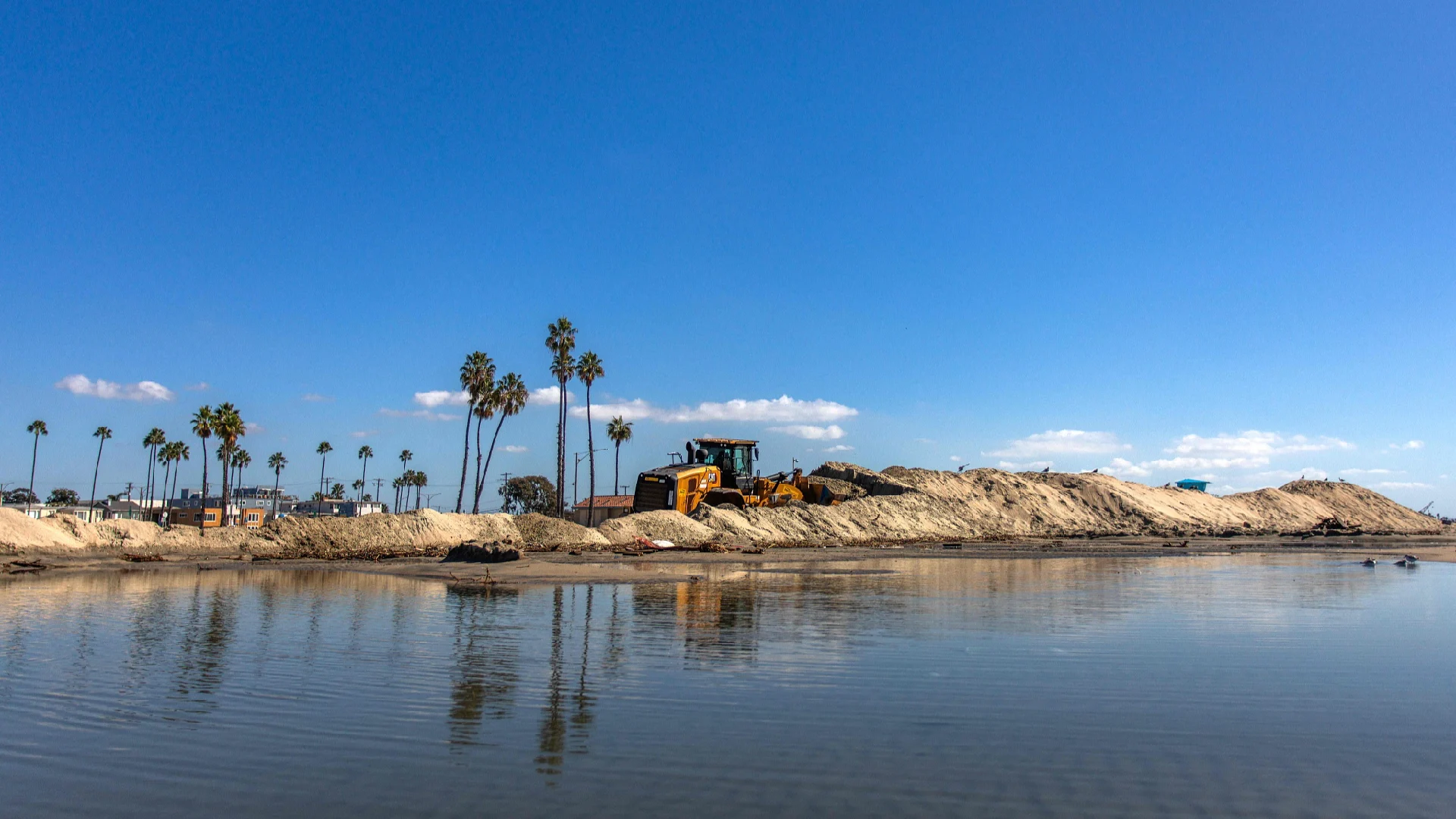
The order allows for the suspension of certain state requirements that could impede the progress of flood-prevention projects. These projects might include building sand berms to protect coastal areas from high tides and storm surges, clearing debris from rivers and storm drains to improve water flow, or reinforcing levees and floodwalls. In situations where every day counts, the ability to bypass lengthy environmental review processes for eligible public-agency work can make a significant difference in a community’s ability to withstand a storm.
However, this streamlining of regulations is not a free pass for environmental disregard. The executive order explicitly requires advance eligibility approval for any work undertaken under its provisions. This means that agencies must demonstrate that their proposed actions are indeed necessary for flood prevention and that they meet certain criteria. Furthermore, the order mandates that safeguards for fish, protected species, and waterways must be maintained. This ensures that, even in an expedited process, the potential impacts on sensitive ecosystems are carefully considered and mitigated.
For instance, if a project involves working in or near a waterway, measures would still need to be in place to prevent pollution, protect aquatic habitats, and minimize disruption to fish populations. Similarly, if a project area is home to protected species, steps would be taken to avoid or minimize harm to those species and their habitats. This dual focus on immediate protection and long-term environmental health is crucial for sustainable disaster preparedness.
The effectiveness of these measures relies on the collaboration between different state agencies and a clear understanding of the potential environmental risks associated with each project. The governor’s office, through these executive orders, is empowering agencies to act decisively while maintaining a framework for environmental responsibility. This approach recognizes that protecting communities from natural disasters and preserving the state’s natural resources are not mutually exclusive goals but rather interconnected aspects of building a resilient California. The success of these flood-prevention efforts will ultimately depend on careful planning, diligent execution, and a continued commitment to environmental stewardship, even in the face of pressing threats.
Community Preparedness and Public Awareness
While government actions and infrastructure improvements are vital components of disaster preparedness, the role of individual communities and citizens cannot be overstated. Effective preparation for events like El Niño storms requires a multi-layered approach that extends from state-level policy down to household-level readiness. Public awareness campaigns and community-level initiatives play a crucial role in ensuring that residents are informed, prepared, and able to respond effectively when disaster strikes.
The potential for significant rainfall and flooding associated with El Niño means that communities, particularly those in flood-prone areas, need to be vigilant. This includes understanding local risks, such as identifying areas that have historically experienced flooding or landslides. Local emergency management agencies often provide resources and information to help residents assess their specific vulnerabilities. This might involve mapping flood zones, identifying evacuation routes, and understanding the risks associated with specific weather phenomena like flash floods or debris flows.
Public awareness campaigns are essential for disseminating this information. These campaigns can utilize various channels, including local media, social media, community meetings, and educational materials, to reach a broad audience. Key messages often focus on practical steps individuals can take to prepare. This can include assembling emergency supply kits with essentials like water, non-perishable food, medications, and first-aid supplies. It also involves developing family emergency plans, which outline communication strategies and meeting points in case of separation during an event.
For coastal communities, awareness of potential storm surge and high tide impacts is particularly important. Sand berms, like those being constructed in Long Beach as mentioned in the news report, are a visible sign of preparedness, but residents also need to be aware of evacuation orders and safe zones. Understanding the risks associated with driving through flooded roads, which can be deceptively dangerous, is another critical piece of public safety information.
Furthermore, community-level preparedness extends to organized efforts. Neighborhood watch programs can be instrumental in sharing information and assisting vulnerable residents during emergencies. Local governments often conduct drills and exercises to test their response plans and to familiarize residents with emergency procedures. The involvement of local businesses in developing continuity plans can also help maintain essential services during and after a storm.
The proactive measures taken by the California governor are a significant step, but their ultimate success depends on the active participation of the public. By fostering a culture of preparedness and ensuring that residents have the knowledge and resources they need, communities can significantly reduce the impact of severe weather events. This collaborative effort, combining governmental action with individual and community responsibility, forms the bedrock of a resilient society capable of weathering the challenges posed by a changing climate.
Looking Ahead: Long-Term Resilience and Climate Adaptation
The immediate response to potential El Niño storms, while critical, is only one part of a larger, ongoing effort to build long-term resilience in the face of a changing climate. The executive orders and task forces established by California’s governor represent a recognition that the state must adapt its strategies to address the increasing frequency and intensity of extreme weather events. This involves not only preparing for the next storm but also fundamentally rethinking how infrastructure is built, how communities are planned, and how natural resources are managed.
The establishment of the Highway 1 Task Force is a clear indicator of this long-term perspective. By focusing on both immediate storm preparation and addressing longer-term climate threats, the task force is tasked with developing sustainable solutions for a vulnerable coastal corridor. This might involve investing in climate-resilient infrastructure, such as elevated roadways, improved drainage, and enhanced coastal defenses. It also necessitates a deeper understanding of how rising sea levels and more powerful storms will reshape the coastline in the coming decades.
Beyond infrastructure, climate adaptation also involves a broader societal shift. This includes promoting water conservation practices to better manage periods of drought and heavy rainfall, investing in renewable energy sources to reduce greenhouse gas emissions, and protecting and restoring natural ecosystems that can help buffer the impacts of extreme weather. For example, healthy wetlands and coastal marshes can act as natural barriers against storm surges, while intact forests can help prevent landslides and regulate water flow.
The state’s approach to flood prevention also needs to evolve. While temporary measures like sand berms are important for immediate protection, a long-term strategy might involve more permanent solutions such as managed retreat from the most vulnerable coastal areas, the development of advanced flood warning systems, and the implementation of stricter building codes in flood-prone regions. The careful balance struck in the executive orders, allowing for expedited environmental reviews while maintaining safeguards, suggests a commitment to finding practical solutions that do not sacrifice environmental health for short-term gains.
Ultimately, building long-term resilience is a continuous process that requires ongoing investment, research, and collaboration. It involves learning from past events, incorporating the latest scientific understanding of climate change, and fostering a culture of preparedness and adaptation across all sectors of society. California’s proactive steps in response to the potential El Niño storms are a significant part of this larger journey, demonstrating a commitment to not only weathering the immediate challenges but also to building a more secure and sustainable future for its residents in the face of a dynamic and unpredictable climate.
Conclusion
The proactive measures taken by California’s governor in response to the potential for strong El Niño storms underscore a critical shift in how regions are preparing for the impacts of climate change. By issuing executive orders to streamline flood-prevention efforts and establishing a task force to address the vulnerabilities of Highway 1, the state is demonstrating a commitment to both immediate safety and long-term resilience. These actions, informed by scientific predictions of increased rainfall and coastal flooding, highlight the importance of a multi-faceted approach that balances urgent needs with environmental considerations.
The science of El Niño, a natural climate pattern with far-reaching effects, serves as a reminder of the interconnectedness of our planet’s systems and the need for informed, data-driven preparedness strategies. The focus on infrastructure, such as the vital Highway 1, and the careful integration of environmental safeguards into flood control measures, showcase a sophisticated understanding of the challenges ahead. Furthermore, the emphasis on public awareness and community readiness emphasizes that disaster preparedness is a shared responsibility. As California navigates the potential impacts of El Niño, its efforts serve as a valuable case study in adapting to a changing climate, prioritizing the safety and well-being of its citizens while striving to protect its invaluable natural resources for future generations.


Conversation
0 Comments