

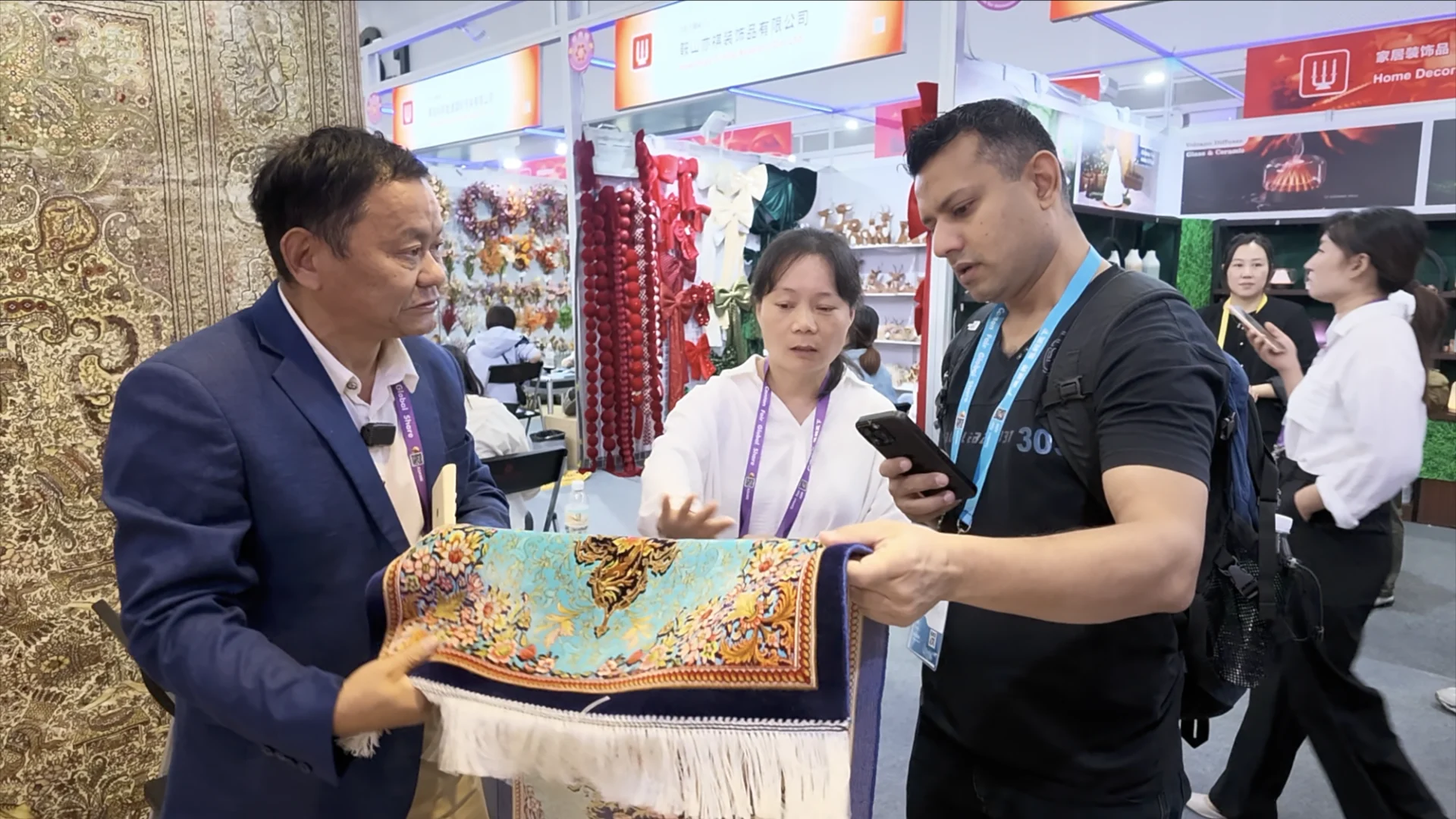
The Canton Fair, a cornerstone of China’s international trade for seven decades, has long been recognized as a vital platform for businesses to connect with global markets. While large corporations often dominate the headlines, the fair also serves as a crucial launchpad for smaller enterprises and traditional craft makers. These smaller players, often overlooked, are increasingly finding significant opportunities at the Canton Fair, showcasing their unique products and forging valuable international partnerships. This analysis delves into how the Canton Fair supports these smaller businesses, the challenges they face, and the strategies they employ to thrive in a competitive global marketplace.
The Canton Fair: A Gateway for Small and Medium-Sized Enterprises (SMEs)
The Canton Fair, officially known as the China Import and Export Fair, is held twice a year in Guangzhou. It is one of the largest trade fairs in China and a significant event on the global economic calendar. For decades, it has been instrumental in facilitating international trade, acting as a bridge between Chinese manufacturers and buyers from around the world. While its scale might suggest it’s primarily for established giants, the fair’s structure and evolving focus have made it increasingly accessible and beneficial for small and medium-sized enterprises (SMEs).
SMEs often operate with tighter budgets and fewer resources than larger corporations. Participating in international trade fairs can be a substantial investment. However, the Canton Fair offers a unique environment where these smaller businesses can gain visibility, test market reception for their products, and establish crucial connections without the need for extensive overseas marketing campaigns. The sheer volume of international buyers and industry professionals present at the fair provides an unparalleled opportunity for SMEs to showcase their offerings to a diverse and engaged audience.
The fair’s organization into various product categories ensures that buyers can efficiently find the specific goods they are looking for. This targeted approach benefits SMEs by placing them in front of genuinely interested potential clients. For instance, a small workshop specializing in handcrafted ceramics might exhibit alongside other pottery makers, attracting buyers specifically seeking artisanal home decor. This focused exposure is far more effective than broader, less targeted marketing efforts that SMEs might otherwise pursue.
Furthermore, the Canton Fair has made concerted efforts to support and highlight smaller businesses. Initiatives aimed at promoting innovation and unique product lines often give a special platform to SMEs. This recognition helps these companies stand out from larger, more established brands and allows their unique selling propositions to be clearly communicated to potential buyers. The fair’s organizers understand that the dynamism and innovation often found in smaller enterprises are vital to the overall health and evolution of global trade.
Showcasing Unique Products and Traditional Crafts
One of the most compelling aspects of the Canton Fair for SMEs is the opportunity to showcase products that might not fit the mass-market mold of larger manufacturers. This is particularly true for businesses involved in traditional crafts and artisanal goods. These products often carry cultural significance and unique craftsmanship that appeals to a specific segment of the global market. The Canton Fair provides a stage for these time-honored skills to be appreciated and commercialized on an international level.
For example, the fair has seen success stories of small enterprises specializing in intricate embroidery, hand-painted textiles, or unique wooden carvings. These items, often produced in limited quantities, represent a significant cultural heritage. By exhibiting at the Canton Fair, these artisans can connect with buyers who value authenticity, quality, and the story behind the product. This direct interaction allows them to explain the craftsmanship and cultural context, adding significant value beyond the physical item itself.
The fair’s environment encourages buyers to explore a wide range of products, from everyday consumer goods to highly specialized items. This openness benefits SMEs by allowing them to present their niche offerings without being overshadowed. Buyers attending the Canton Fair are often on the lookout for distinctive products that can differentiate their own retail offerings. SMEs, with their often unique designs and production methods, are perfectly positioned to meet this demand.
The ability to demonstrate the quality and uniqueness of their products in person is invaluable for SMEs. Unlike online platforms, a physical trade fair allows buyers to touch, feel, and inspect the craftsmanship firsthand. This tactile experience is especially important for handcrafted items where texture, material quality, and attention to detail are paramount. SMEs can leverage this direct interaction to build trust and convey the superior quality of their goods.
Moreover, the Canton Fair often features special zones or pavilions dedicated to specific industries or types of products, such as home decor, fashion accessories, or food items. SMEs can benefit from being part of these focused areas, attracting buyers who are specifically interested in those sectors. This targeted approach increases the likelihood of meaningful engagement and potential sales.
Building International Partnerships and Networks
Beyond showcasing products, the Canton Fair is a critical venue for SMEs to build international partnerships and expand their business networks. For many small businesses, breaking into foreign markets can be a daunting task due to logistical challenges, unfamiliar regulations, and cultural differences. The Canton Fair simplifies this process by bringing a multitude of international buyers, distributors, and potential agents to one location.
SMEs can use the fair to identify potential partners who can help them navigate these complexities. This might include finding overseas distributors who understand local market demands, agents who can manage sales and customer relations, or even logistics providers who can handle international shipping. The concentrated presence of global trade professionals at the fair makes it an efficient place to scout for these essential collaborators.
The networking opportunities at the Canton Fair extend beyond direct business transactions. SMEs can connect with industry peers, learn about international market trends, and gain insights into best practices from other businesses, both large and small. These interactions can be invaluable for strategic planning and identifying new avenues for growth. Attending seminars, workshops, and industry forums often held alongside the fair can further enhance this knowledge exchange.
For businesses looking to expand their export capabilities, the Canton Fair offers a direct line to potential clients who are actively seeking new suppliers. The fair’s reputation as a reliable and comprehensive trade event means that buyers come prepared to make purchasing decisions. This creates a dynamic environment where SMEs can quickly establish relationships and secure orders that can significantly boost their revenue and international presence.
The fair also provides a platform for SMEs to understand the expectations of international buyers. By interacting with potential clients from different countries, they can learn about specific quality standards, packaging requirements, and delivery timelines. This feedback loop is crucial for SMEs to adapt their products and operations to meet global market demands, ensuring long-term success in export markets.
Overcoming Challenges: Resource Constraints and Market Access
Despite the opportunities, SMEs participating in the Canton Fair still face significant challenges. One of the primary hurdles is resource constraints. Participating in a large international trade fair requires investment in booth setup, travel, accommodation, marketing materials, and potentially product samples. For small businesses with limited capital, these costs can be substantial and represent a significant risk.
To mitigate these challenges, many SMEs rely on government support programs or industry associations that offer subsidies or shared exhibition spaces. These forms of assistance can significantly reduce the financial burden, making participation more feasible. Additionally, some SMEs adopt a phased approach, perhaps starting with a smaller booth or attending specific sessions of the fair before committing to a full-scale exhibition.
Another major challenge for SMEs is gaining market access and competing with established brands. Larger companies often have greater brand recognition, established distribution channels, and larger marketing budgets, which can make it difficult for smaller players to stand out. SMEs need to clearly articulate their unique value proposition and focus on areas where they can excel, such as specialized product quality, innovative design, or exceptional customer service.
The fair’s structure, with its diverse product categories and buyer profiles, can help SMEs overcome this challenge. By targeting specific buyer segments that are more receptive to niche products or artisanal quality, SMEs can carve out their own space. Building strong relationships with buyers based on trust and reliability can also be a powerful differentiator against larger, more impersonal corporations.
Furthermore, the digital age presents both challenges and opportunities. While online platforms offer broader reach, they can also be crowded and lack the personal touch of face-to-face interactions. The Canton Fair provides SMEs with a crucial opportunity to bridge this gap, allowing them to build personal connections with buyers that can be difficult to establish solely online. They can then leverage these relationships to drive traffic to their online stores or e-commerce platforms.
Strategies for Success at the Canton Fair
To maximize their chances of success at the Canton Fair, SMEs should adopt a strategic approach. Thorough preparation is key. This includes defining clear objectives for participation, such as securing a certain number of leads, identifying potential distributors, or launching a new product line. Researching potential buyers and understanding their needs beforehand can help SMEs tailor their presentations and product offerings.
A well-designed and attractive booth is essential for capturing attention. Even with a limited budget, SMEs can create a visually appealing display that highlights their brand identity and product strengths. Clear signage, product demonstrations, and engaging staff can make a significant difference in attracting visitors and encouraging them to stop and learn more. High-quality marketing materials, such as brochures and product catalogs, that clearly communicate the company’s offerings and contact information are also vital.
Effective communication is paramount. SMEs should ensure their representatives are fluent in English or have access to translation services to communicate effectively with international buyers. Being prepared to discuss product specifications, pricing, minimum order quantities, and delivery terms clearly and confidently is crucial for closing deals.
Building relationships is as important as making sales. SMEs should focus on establishing rapport with potential clients, understanding their business needs, and offering solutions. Following up promptly after the fair with personalized communication is essential for nurturing leads and converting them into long-term business relationships. This follow-up can involve sending detailed product information, customized quotes, or even arranging virtual meetings to continue the conversation.
For SMEs specializing in traditional crafts, storytelling can be a powerful tool. Sharing the history of their craft, the techniques used, and the cultural significance of their products can create a deeper connection with buyers who appreciate authenticity and heritage. This narrative approach can differentiate their offerings from mass-produced goods and justify premium pricing.
Finally, SMEs should actively seek feedback from buyers during and after the fair. Understanding what buyers liked, what could be improved, and what other products they might be interested in can provide invaluable insights for future product development and market strategies. This continuous improvement cycle is essential for sustained growth in the competitive global marketplace.
The Role of Technology and Innovation
Technology and innovation play an increasingly important role for SMEs participating in the Canton Fair. While traditional crafts are valued, integrating modern technology into production processes or product design can significantly enhance competitiveness. For example, a textile company might use advanced dyeing techniques or sustainable manufacturing processes that appeal to environmentally conscious buyers.
SMEs can also leverage technology to improve their presence at the fair. This might include using digital displays to showcase product variations or customer testimonials, or employing QR codes on marketing materials to direct visitors to their websites or online catalogs. Having a strong online presence that complements their physical presence at the fair is crucial for capturing leads and facilitating post-fair engagement.
Innovation in product design is another key differentiator. SMEs that can offer unique, functional, or aesthetically pleasing products are more likely to attract attention. The Canton Fair provides a platform to test these innovative products in the market and gather feedback from a global audience. This feedback can then be used to refine designs and ensure market relevance.
For businesses involved in manufacturing, adopting smart manufacturing techniques or incorporating IoT (Internet of Things) features into their products can be a significant advantage. These innovations can appeal to buyers looking for cutting-edge solutions and can position the SME as a forward-thinking supplier. The fair provides an opportunity to showcase these technological advancements to a wide range of international buyers and potential partners.
Furthermore, SMEs can use technology to streamline their operations and improve efficiency. This might include adopting cloud-based inventory management systems, using digital tools for communication with overseas clients, or employing data analytics to understand market trends. These operational efficiencies can translate into better pricing, faster delivery times, and improved customer satisfaction, all of which are critical for competing on a global scale.
Future Outlook for SMEs at the Canton Fair
The Canton Fair is likely to remain a vital platform for SMEs looking to expand their international reach. As global trade dynamics continue to evolve, the fair’s ability to adapt and cater to the needs of diverse businesses will be key to its continued success. For SMEs, the fair represents a consistent opportunity to engage with global markets, build brand awareness, and secure vital export orders.
The ongoing emphasis on innovation, sustainability, and high-quality craftsmanship within global trade trends aligns well with the strengths of many SMEs. As consumers increasingly seek unique, ethically produced, and well-crafted goods, SMEs that can deliver on these fronts will find growing opportunities at the Canton Fair. The fair’s organizers are likely to continue supporting these trends, potentially through dedicated exhibition zones or promotional activities.
The increasing digitalization of trade also presents new avenues for SMEs. While the physical fair remains crucial, its integration with online platforms and digital marketing strategies will become even more important. SMEs that can effectively combine their presence at the Canton Fair with a robust online strategy will be best positioned for long-term success. This could involve virtual trade show components, enhanced online exhibitor profiles, and digital tools for lead management and follow-up.
Moreover, the fair’s role in fostering international cooperation and understanding is invaluable. In an era of complex geopolitical and economic landscapes, platforms like the Canton Fair that facilitate direct dialogue and business relationships between countries are more important than ever. SMEs, often more agile and adaptable than larger corporations, can play a significant role in building these bridges and contributing to a more interconnected global economy.
The continued success of SMEs at the Canton Fair will depend on their ability to innovate, adapt to changing market demands, and leverage the opportunities presented by this enduring trade platform. By focusing on their unique strengths, building strong relationships, and embracing new technologies, small enterprises can continue to shine on the global stage. The fair’s commitment to providing a level playing field, or at least a more accessible one, for smaller players ensures its relevance for years to come.
Conclusion
The Canton Fair has proven itself to be more than just a marketplace; it is a dynamic ecosystem that supports the growth and internationalization of small and medium-sized enterprises. For decades, it has provided a critical gateway for these businesses to connect with global buyers, showcase their unique products, and forge essential international partnerships. While challenges related to resources and competition persist, strategic preparation, a focus on innovation, and effective relationship-building enable SMEs to overcome these hurdles. As the global trade landscape continues to evolve, the Canton Fair’s adaptability and its commitment to fostering opportunities for all businesses, regardless of size, ensure its enduring significance as a launchpad for SMEs aiming to thrive on the world stage.


Conversation
0 Comments