

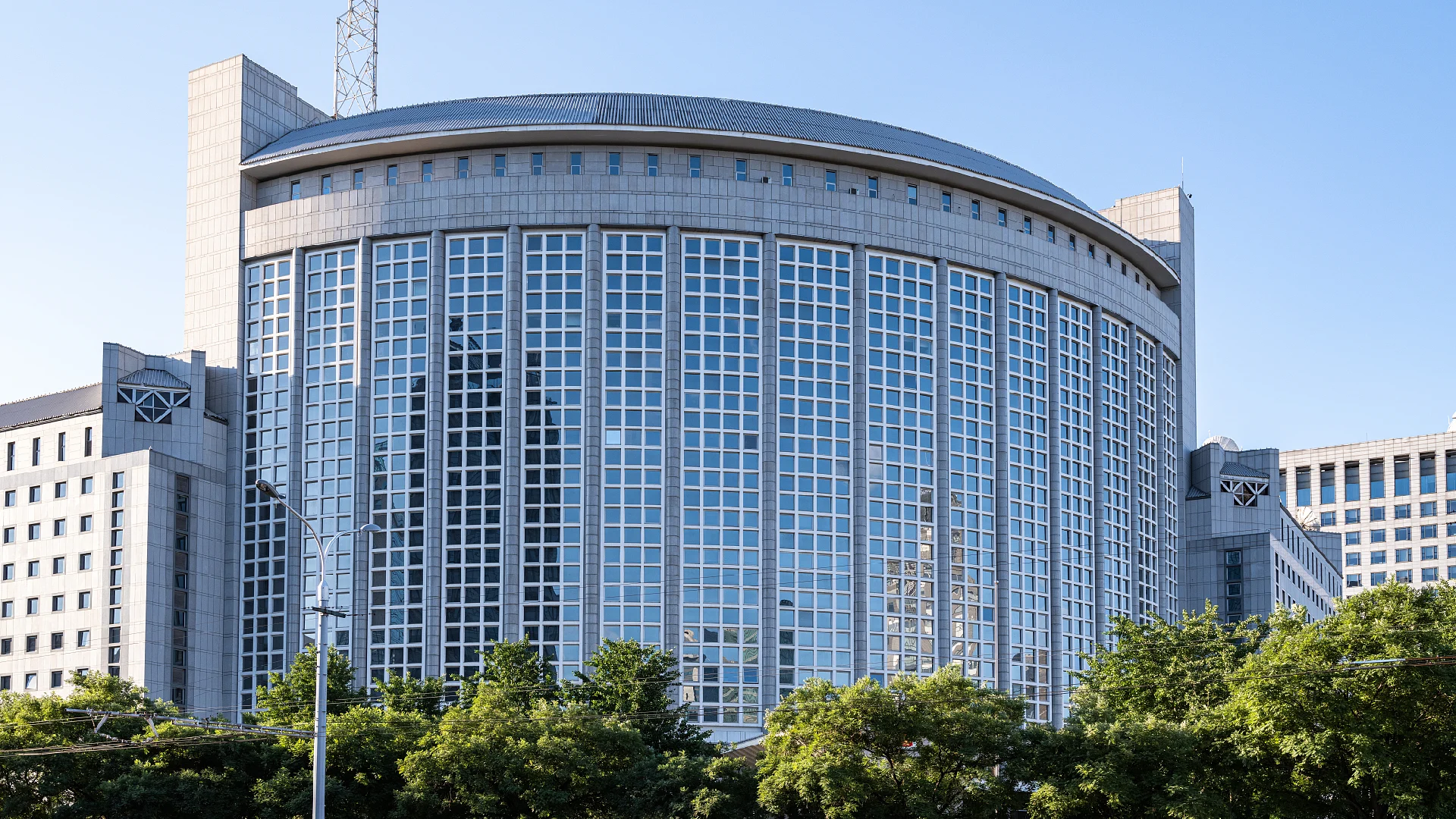
The relationship between China and Switzerland is a prime example of how two nations with different political systems and economic scales can build a strong, mutually beneficial partnership. This collaboration is not just about trade; it encompasses innovation, cultural exchange, and a shared commitment to global stability. As these two countries continue to deepen their ties, understanding the structure of their relationship becomes increasingly important for businesses, policymakers, and individuals alike. This article will explore the multifaceted structure of the China-Switzerland relationship, examining its historical foundations, key areas of cooperation, and the frameworks that support its ongoing development.
Historical Foundations of China-Switzerland Relations
The diplomatic relationship between China and Switzerland officially began in 1950, shortly after the founding of the People’s Republic of China. Switzerland was one of the first Western countries to recognize the new Chinese government. This early recognition set a precedent for a pragmatic and forward-looking approach to bilateral relations, prioritizing mutual respect and understanding.
From the outset, Switzerland adopted a policy of neutrality, which has allowed it to maintain stable relations with a wide range of countries, including China. This neutrality has been a cornerstone of Swiss foreign policy and has enabled consistent engagement with China, even during periods of geopolitical tension. The two nations have consistently sought common ground, focusing on areas where cooperation can yield tangible benefits for both populations.
Over the decades, the relationship evolved from basic diplomatic recognition to a more comprehensive partnership. A significant milestone was the establishment of the China-Switzerland Free Trade Agreement (FTA) in 2008. This agreement was a landmark achievement, making Switzerland the first continental European nation to sign an FTA with China. It demonstrated a shared commitment to economic liberalization and provided a robust framework for trade and investment. The FTA has been instrumental in boosting bilateral trade volumes and fostering closer economic ties, laying a solid foundation for future cooperation.
The “innovative strategic partnership” established between China and Switzerland further elevated their relationship. This designation signifies a deeper level of engagement, moving beyond traditional economic ties to include collaboration in areas like research, development, and technology. The 10th anniversary of this partnership, celebrated in 2026, underscores the sustained commitment to advancing this strategic alignment. This partnership is built on shared values of innovation and a desire to contribute to global progress, creating a dynamic and forward-looking framework for engagement.
Economic and Trade Cooperation: A Pillar of the Relationship
Economic and trade cooperation forms the bedrock of the China-Switzerland relationship. The FTA, which entered into force in 2008, has been a transformative element, significantly increasing bilateral trade and investment. Switzerland, known for its high-quality manufactured goods, precision instruments, and pharmaceuticals, found a vast market in China. Conversely, China’s growing economy provided Swiss companies with opportunities for expansion and access to a large consumer base.
The FTA has facilitated smoother trade processes, reduced tariffs, and provided greater certainty for businesses operating between the two countries. It covers a wide range of goods and services, promoting fair competition and protecting intellectual property rights. The agreement has been a key driver of economic growth for both nations, creating jobs and enhancing economic prosperity. It serves as a testament to the benefits of open trade policies and the potential for cooperation between countries with different economic models.
In August 2026, Switzerland and China concluded negotiations to upgrade their FTA. This move signaled a renewed commitment to modernizing their economic partnership in line with contemporary global trade dynamics. The upgrade is expected to further liberalize trade in areas such as services, environmental goods, and digital trade, while also addressing emerging challenges and opportunities in the global economy. By being the first European country to conclude these upgrade negotiations, Switzerland once again demonstrated its proactive stance in strengthening ties with China.
This upgraded FTA aims to provide more favorable and convenient conditions for enterprises from both countries. It seeks to inject greater certainty into the development of the world economy by fostering stable and predictable trade relations. The focus on innovation within the upgraded agreement is particularly noteworthy, aligning with the broader strategic partnership and reflecting the evolving nature of global commerce. This economic framework is not static; it is designed to adapt and grow, ensuring its continued relevance and benefit to both China and Switzerland.
Beyond the FTA, direct investment flows between the two countries have also been substantial. Swiss companies have invested heavily in China, establishing manufacturing facilities, research centers, and sales networks. Chinese companies, in turn, have explored investment opportunities in Switzerland, particularly in sectors where Switzerland excels, such as finance, technology, and luxury goods. This reciprocal investment strengthens economic interdependence and fosters a deeper understanding of each other’s markets and business environments.
Innovation and Technology Collaboration
The “China-Switzerland innovative strategic partnership” highlights a shared focus on innovation and technology as key drivers of future growth and cooperation. Switzerland, with its strong tradition of research and development, high-tech industries, and world-class universities, sees China as a vital partner in advancing technological frontiers. China, with its rapidly growing R&D capabilities and vast market, offers significant opportunities for Swiss innovation to thrive and scale.
Collaboration in this sector spans various fields, including life sciences, advanced manufacturing, environmental technologies, and artificial intelligence. Joint research projects, academic exchanges, and technology transfer initiatives are actively promoted. These collaborations aim to leverage the unique strengths of both countries to address global challenges, such as climate change, public health, and sustainable development.
The Swiss government has actively supported its companies and research institutions in engaging with China on innovation. This includes providing platforms for dialogue, facilitating partnerships, and ensuring that intellectual property rights are protected. The focus is on creating an ecosystem where innovation can flourish, benefiting both economies and contributing to global technological advancement.
For instance, Swiss companies are increasingly involved in China’s burgeoning electric vehicle sector, providing advanced components and expertise. In the pharmaceutical industry, joint ventures and research collaborations are accelerating the development of new drugs and treatments. The exchange of knowledge and best practices in areas like renewable energy and smart manufacturing is also a significant aspect of this partnership, contributing to a more sustainable and efficient global economy.
The emphasis on innovation is not merely about economic gain; it is also about fostering a shared vision for the future. By working together on cutting-edge technologies, China and Switzerland are contributing to solutions that can improve lives and create a more prosperous and sustainable world. This collaborative spirit in innovation is a defining characteristic of their modern relationship.
Cultural Exchange and People-to-People Ties
Beyond economic and technological cooperation, cultural exchange and people-to-people ties play a crucial role in strengthening the China-Switzerland relationship. These connections foster mutual understanding, build trust, and create a foundation of goodwill between the two nations. Switzerland, with its rich cultural heritage and diverse linguistic landscape, offers a unique perspective to China, while China’s ancient civilization and vibrant contemporary culture provide a fascinating window for Swiss citizens.
Educational exchanges are a significant component of this. Numerous Chinese students pursue higher education in Switzerland, attracted by its renowned universities and research institutions. Similarly, Swiss students and academics engage in study programs and research collaborations in China, gaining firsthand experience of its dynamic society and academic environment. These exchanges not only broaden individual horizons but also create a network of individuals who act as bridges between the two cultures.
Tourism also plays a vital role. Switzerland’s stunning natural landscapes and charming cities attract Chinese tourists, while China’s historical sites and modern metropolises draw visitors from Switzerland. These travel experiences offer direct exposure to each other’s way of life, traditions, and values, helping to break down stereotypes and build genuine connections.
Cultural events, such as art exhibitions, film festivals, and musical performances, further facilitate understanding. These events showcase the artistic achievements and cultural expressions of both countries, providing platforms for dialogue and appreciation. They highlight the diversity within each nation and the commonalities that bind humanity.
The presence of Swiss expatriates in China and Chinese communities in Switzerland also contributes to the cultural fabric of both countries. These communities often serve as cultural ambassadors, sharing their traditions and fostering cross-cultural understanding within their local environments. The ongoing efforts to promote these exchanges demonstrate a commitment to building a relationship that is not only pragmatic but also deeply human.
Diplomatic Engagement and Global Cooperation
The diplomatic engagement between China and Switzerland is characterized by a pragmatic approach, focusing on areas of mutual interest and shared global challenges. Switzerland’s commitment to neutrality and its role as a mediator and facilitator in international affairs often complement China’s growing influence on the global stage.
Both countries are members of various international organizations, including the United Nations. They often find common ground on issues related to peace, security, sustainable development, and multilateralism. Switzerland, as a host country for many international organizations, plays a significant role in global governance, and its constructive dialogue with China contributes to addressing complex international issues.
The working visits and high-level meetings between leaders of both nations are crucial for maintaining the momentum of their relationship. For example, the working visit of the President of the Swiss Confederation to China, as reported in October 2026, underscores the continuous high-level diplomatic engagement. Such visits provide opportunities to discuss bilateral issues, explore new avenues for cooperation, and align perspectives on global affairs.
China-Switzerland cooperation extends to areas like climate change, where both nations are committed to the Paris Agreement and are exploring joint initiatives in renewable energy and sustainable practices. In global health, they collaborate on research and development of medical technologies and pharmaceuticals, contributing to worldwide health security.
The framework for diplomatic engagement is built on mutual respect for sovereignty and non-interference in internal affairs, principles that are fundamental to China’s foreign policy. Switzerland’s consistent adherence to its neutrality policy ensures a stable and predictable basis for dialogue. This diplomatic structure allows for open communication and problem-solving, even when differences may arise.
The commitment to multilateralism is another shared value that underpins their diplomatic cooperation. Both countries believe in the importance of international law and institutions to maintain global peace and stability. Their coordinated efforts within international forums contribute to finding common solutions to pressing global issues, demonstrating a mature and responsible approach to international relations.
Frameworks Supporting the Relationship
The robust China-Switzerland relationship is supported by a variety of formal and informal frameworks that ensure its stability and continued growth. These frameworks provide the structure and mechanisms necessary for effective cooperation across different sectors.
Formal Frameworks:
- Diplomatic Relations: The establishment of full diplomatic relations in 1950 provided the foundational diplomatic channel. Embassies and consulates in both countries serve as key points of contact for bilateral affairs, facilitating communication and cooperation.
- China-Switzerland Free Trade Agreement (FTA): This is the most significant economic framework. The original agreement from 2008 and its subsequent upgrade in 2026 provide the legal and regulatory basis for trade and investment. It includes provisions on tariffs, non-tariff barriers, intellectual property rights, and dispute resolution.
- China-Switzerland Innovative Strategic Partnership: This partnership, established in recent years, provides a high-level strategic framework for cooperation in innovation, technology, and other forward-looking areas. It guides joint initiatives and fosters a shared vision for future development.
- Bilateral Agreements: Numerous specific agreements exist in areas such as investment protection, avoidance of double taxation, customs cooperation, and scientific and technological collaboration. These agreements provide detailed guidelines for specific sectors.
- High-Level Dialogue Mechanisms: Regular meetings between heads of state, government ministers, and senior officials create structured opportunities for dialogue on a wide range of issues. These dialogues help to manage the relationship, resolve potential disputes, and identify new areas of cooperation.
Informal Frameworks:
- Business Councils and Chambers of Commerce: Organizations like the Swiss-Chinese Chamber of Commerce play a vital role in promoting business ties, facilitating networking, and advocating for favorable trade conditions. They act as crucial intermediaries between the business communities of both countries.
- Academic and Research Networks: Universities and research institutions in both countries engage in collaborative projects, student exchange programs, and joint research initiatives. These networks foster intellectual exchange and contribute to the innovative strategic partnership.
- Cultural Exchange Programs: Government-supported and non-governmental organizations facilitate cultural events, art exhibitions, and educational exchanges, building people-to-people connections and mutual understanding.
- Think Tanks and Policy Institutes: These organizations contribute to informed policy discussions and provide analysis on bilateral relations, helping to shape a deeper understanding of the partnership.
These interconnected frameworks, both formal and informal, create a resilient and dynamic structure for the China-Switzerland relationship. They ensure that cooperation can be sustained and deepened, adapting to new challenges and opportunities in the global landscape. The ongoing commitment to strengthening these frameworks is a testament to the enduring value both nations place on their partnership.
Challenges and Future Prospects
While the China-Switzerland relationship is strong and well-structured, like any bilateral partnership, it faces certain challenges and opportunities for future growth. Navigating these dynamics will be key to its continued success.
One of the primary challenges relates to the evolving global geopolitical landscape. As international relations become more complex, maintaining a stable and constructive bilateral relationship requires careful diplomacy and a commitment to open communication. Switzerland’s neutral stance provides a unique advantage in this regard, allowing it to engage constructively with China on a wide range of issues.
Economic competition and trade imbalances, though managed through the FTA, can also present challenges. Ensuring fair competition, protecting intellectual property, and addressing market access issues remain ongoing priorities. The upgrade to the FTA is a proactive step towards addressing some of these concerns and adapting to new economic realities, such as the growth of digital trade and the focus on sustainability.
Environmental concerns and the push for sustainable development present both challenges and opportunities. Both countries are committed to addressing climate change, and there is significant potential for enhanced cooperation in green technologies, renewable energy, and sustainable finance. This area offers a promising avenue for deepening the innovative strategic partnership.
Looking ahead, the future prospects for the China-Switzerland relationship remain bright. The strong foundation built on decades of cooperation, the comprehensive FTA, and the shared commitment to innovation provide a solid basis for continued growth. The relationship is likely to deepen further in areas such as:
- Advanced Manufacturing: Leveraging Swiss expertise in precision engineering and Chinese capabilities in large-scale production.
- Life Sciences and Healthcare: Collaborating on research, drug development, and medical technologies.
- Digital Economy: Exploring opportunities in areas like e-commerce, fintech, and artificial intelligence, while addressing regulatory frameworks.
- Sustainable Finance: Developing green financial products and promoting sustainable investment practices.
- Cultural and Educational Exchanges: Continuing to foster people-to-people ties to build long-term understanding and goodwill.
The commitment to high-level dialogue and the continuous strengthening of supporting frameworks will be essential in navigating future complexities and capitalizing on emerging opportunities. The China-Switzerland relationship serves as a model for how diverse nations can build a successful and enduring partnership based on mutual respect, shared interests, and a forward-looking vision.
Conclusion
The relationship between China and Switzerland is a testament to the power of pragmatic diplomacy, economic cooperation, and mutual respect. From its early beginnings with Switzerland’s recognition of the People’s Republic of China, the partnership has evolved into a sophisticated and multifaceted engagement. The cornerstone of this relationship is the robust economic and trade framework, highlighted by the groundbreaking Free Trade Agreement and its recent upgrade, which continues to foster prosperity and provide certainty for businesses.
Beyond economics, the commitment to innovation and technology collaboration signifies a shared vision for the future, aiming to address global challenges and drive progress. Cultural exchanges and people-to-people ties further strengthen the bond, building bridges of understanding and goodwill between the two nations. Diplomatic engagement, underpinned by a shared commitment to multilateralism and pragmatic problem-solving, ensures that the relationship remains stable and constructive amidst a complex global landscape.
The various formal and informal frameworks supporting this partnership—from diplomatic channels and trade agreements to business councils and academic networks—provide the structure for sustained growth and adaptation. While challenges exist, the inherent strengths of the China-Switzerland relationship, coupled with a forward-looking approach, position it for continued success. The ongoing development of this partnership not only benefits the people of China and Switzerland but also contributes positively to global stability and economic development.



Conversation
0 Comments