

Understanding Earthquake Preparedness and Response in High-Risk Regions
Earthquakes are powerful natural phenomena that can strike with little warning, causing widespread devastation. Regions prone to seismic activity require robust preparedness strategies and swift, effective response mechanisms to mitigate loss of life and property. This article will explore the critical elements of earthquake preparedness and response, focusing on the organizational structures, communication channels, and logistical challenges involved in managing such crises. We will examine the steps taken by authorities and communities to prepare for and react to seismic events, drawing on examples of real-world scenarios to illustrate best practices and areas for improvement.
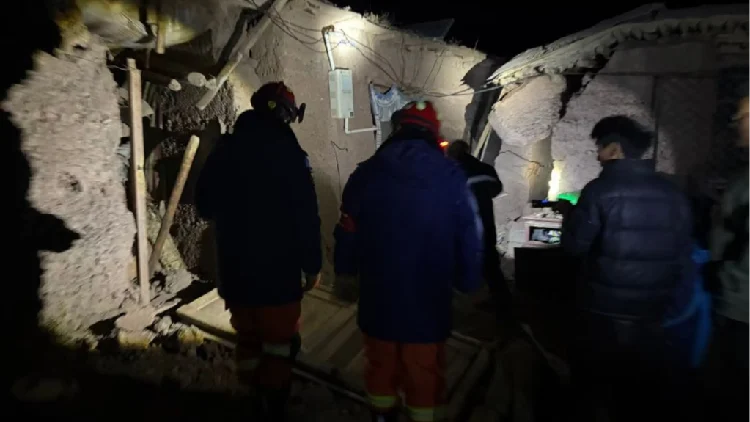
The recent M7.0 earthquake that struck China’s Xizang Autonomous Region on October 23, 2026, serves as a stark reminder of the destructive potential of seismic events. The earthquake, which occurred at 10:33 p.m. Beijing Time, resulted in 16 fatalities and injured 46 people, with 11 in serious condition. The tremor also caused significant structural damage, leading to the collapse or damage of 339 houses and affecting 20 livestock sheds. In response to this disaster, the China Earthquake Administration initiated a Level-II emergency response, and the Xizang region activated a Level-III earthquake disaster emergency response. Rescue forces, including police, fire services, and medical personnel, were immediately deployed to the affected area to begin intensive rescue operations. This event highlights the critical need for well-coordinated and rapid response efforts in earthquake-prone areas.
The Importance of Early Warning Systems and Preparedness Plans
Effective earthquake preparedness begins long before a tremor strikes. A cornerstone of this preparedness is the development and implementation of comprehensive early warning systems and detailed response plans. These systems aim to provide as much advance notice as possible, allowing individuals and organizations to take immediate protective actions. Equally important are well-rehearsed plans that outline the roles and responsibilities of various agencies and individuals during and after an earthquake.
Early warning systems for earthquakes typically rely on detecting the initial, faster-moving seismic waves (P-waves) that travel through the Earth’s crust. These waves arrive before the more destructive, slower-moving shear waves (S-waves) and surface waves. By detecting these P-waves, systems can send out alerts that provide a few seconds to perhaps a minute or more of warning, depending on the distance from the epicenter. This precious time can be used to automatically shut down critical infrastructure like gas lines and trains, alert the public to drop, cover, and hold on, and allow emergency responders to prepare for immediate action.
Preparedness plans, on the other hand, are the blueprints for action. They must be detailed, regularly updated, and widely disseminated. Key components of these plans include:
- Risk Assessment: Understanding the specific seismic hazards of a region, including the likelihood of earthquakes of certain magnitudes and the potential for secondary effects like landslides or tsunamis.
- Infrastructure Resilience: Ensuring that buildings, bridges, and other critical infrastructure are designed and constructed to withstand seismic forces. This includes implementing and enforcing strict building codes.
- Emergency Services Coordination: Establishing clear lines of communication and command among police, fire departments, medical services, and other first responders. Regular joint drills and exercises are essential to test and refine these coordination efforts.
- Public Education and Training: Educating the public about earthquake risks, safety measures, and what to do before, during, and after an earthquake. This includes promoting household preparedness kits and family communication plans.
- Resource Management: Identifying and pre-positioning essential resources such as medical supplies, food, water, shelter, and rescue equipment in strategic locations.
The response to the Xizang earthquake demonstrated the activation of these preparedness elements. The China Earthquake Administration’s Level-II emergency response and the regional Level-III response indicate a tiered system designed to scale up resources and coordination based on the severity of the event. The immediate deployment of over 300 police officers, 347 fire and rescue personnel, and elements of the People’s Liberation Army and People’s Armed Police Force shows a pre-established protocol for mobilizing personnel rapidly.
Mobilizing Rescue and Relief Efforts: A Multi-Agency Approach
When an earthquake strikes, the immediate aftermath is a race against time. The primary goal is to rescue survivors trapped in collapsed structures and provide urgent medical care to the injured. This phase requires a highly coordinated, multi-agency effort involving a wide range of specialized teams and resources.
Following the Xizang earthquake, the mobilization of rescue forces was swift. Over 300 police officers were dispatched to the epicenter, alongside 347 personnel from the regional fire and rescue corps. The Chinese People’s Liberation Army (PLA) Xizang Military Command and the People’s Armed Police Force Xizang Contingent also activated their contingency plans, deploying over 300 personnel and more than 20 vehicles. This rapid deployment is crucial for reaching affected areas, assessing damage, and initiating search and rescue operations.
The logistical challenges in such operations are immense. Access to affected areas can be severely hampered by damaged roads, bridges, and landslides. Communication networks may be down, making it difficult to coordinate efforts and relay critical information. In remote or mountainous regions, like Xizang, these challenges are often amplified.
To overcome these obstacles, a robust command and control structure is essential. This typically involves an incident command system where different agencies work together under a unified leadership. Key functions include:
- Search and Rescue (SAR) Operations: Specialized SAR teams, equipped with tools like listening devices, cameras, and search dogs, are deployed to locate survivors. They work systematically through debris, prioritizing areas where survivors are most likely to be found.
- Medical Response: Emergency medical services establish field hospitals and triage centers to treat the injured. This includes providing immediate first aid, stabilizing critical patients, and arranging for their transport to more advanced medical facilities if necessary.
- Damage Assessment: Teams are tasked with evaluating the extent of structural damage to buildings and infrastructure. This information is vital for determining which areas are safe for rescue operations and for planning long-term recovery efforts.
- Logistics and Supply Chain Management: Ensuring a steady flow of essential supplies such as food, water, medicine, and temporary shelter is critical for supporting both survivors and rescue personnel. This involves managing transportation, warehousing, and distribution.
The Xizang earthquake response saw the deployment of significant resources. The regional fire and rescue corps dispatched 82 vehicles, carrying over 4,200 pieces of equipment and more than 9,400 items of support supplies. The State Grid Xizang Electric Power Company Limited deployed personnel and equipment to ensure emergency power supply, and emergency crews worked to inspect power infrastructure. Disaster relief supplies, coordinated across multiple government levels, began arriving, including prefabricated housing units, tents, beds, quilts, and clothing. The transportation authorities also initiated inspections of roads, bridges, and other structures to ensure safety and maintain updated assessments of road conditions.
Communication and Information Dissemination in Disaster Scenarios
Effective communication is the lifeblood of any successful disaster response. During an earthquake, communication systems can be severely disrupted, making it challenging for authorities to coordinate rescue efforts, for survivors to seek help, and for the public to receive accurate information. Establishing reliable communication channels and disseminating timely, accurate information are therefore paramount.
In the aftermath of the Xizang earthquake, various communication strategies were likely employed. Public security organs activated their emergency response plans, suggesting a pre-defined communication protocol. The PLA Western Theater Command Air Force dispatched an unmanned aerial vehicle (UAV) to survey the disaster zone and transmit real-time footage. UAVs can be invaluable in providing aerial reconnaissance when ground-based communication is impossible, allowing responders to assess damage and identify areas of greatest need.
Key aspects of disaster communication include:
- Inter-Agency Communication: Ensuring that all responding agencies can communicate with each other seamlessly. This might involve using satellite phones, two-way radios, and dedicated emergency communication networks when cellular and landline systems fail.
- Public Information Dissemination: Providing regular updates to the public about the situation, safety instructions, and available assistance. This can be done through various channels, including emergency alert systems, radio broadcasts, television, social media, and community outreach.
- Two-Way Communication: Enabling survivors to report their needs and locations. This can be facilitated through hotlines, text messaging services, and community volunteers who can relay information to response centers.
- Information Verification: Combating misinformation and rumors, which can spread rapidly during a crisis. Establishing a central source of verified information is crucial.
The report mentions that disaster relief supplies were coordinated across four levels of government, implying a need for clear communication and coordination between central, regional, municipal, and county authorities. This level of coordination requires robust communication infrastructure and protocols to ensure that resources are allocated efficiently and effectively to the areas that need them most.
The use of a UAV for real-time footage transmission is a modern example of how technology can aid communication and situational awareness in disaster zones. Such technologies can provide a bird’s-eye view of the affected area, helping to guide rescue efforts and identify critical infrastructure damage that might not be apparent from the ground.
Long-Term Recovery and Reconstruction
While immediate rescue and relief efforts are critical, the process of recovery and reconstruction following a major earthquake is a long-term undertaking. It involves not only rebuilding damaged infrastructure but also addressing the social, economic, and psychological needs of the affected population.
The Xizang earthquake resulted in the collapse or damage of 339 houses. The provision of 1,000 prefabricated housing units and 3,239 tents indicates an immediate response to the housing crisis. However, the transition from temporary shelter to permanent housing is a significant challenge. Reconstruction efforts must focus on building back better, incorporating improved seismic resilience into new construction and retrofitting existing structures where possible.
Long-term recovery typically involves several phases:
- Shelter and Housing: Providing safe and secure temporary and then permanent housing solutions for displaced populations.
- Infrastructure Repair and Rebuilding: Repairing or rebuilding essential services such as power grids, water and sanitation systems, transportation networks, and communication infrastructure.
- Economic Recovery: Supporting the restoration of livelihoods, businesses, and local economies that may have been devastated by the earthquake. This can include financial assistance, job creation programs, and support for small businesses.
- Social and Psychological Support: Addressing the trauma and mental health needs of survivors, particularly children and vulnerable populations. This involves providing counseling services and community support programs.
- Environmental Management: Addressing any environmental impacts of the earthquake, such as landslides or contamination, and ensuring sustainable rebuilding practices.
The coordination of disaster relief supplies across multiple government levels suggests a structured approach to recovery. However, the success of long-term recovery depends on sustained commitment, adequate funding, and the active participation of the affected communities. It also requires a continuous evaluation of preparedness and response strategies to learn from each event and improve future resilience.
The Xizang earthquake, like many seismic events, underscores the complex and multifaceted nature of disaster management. It highlights the critical importance of proactive preparedness, rapid and coordinated response, effective communication, and a sustained commitment to long-term recovery. By understanding these elements and continuously working to strengthen them, communities in earthquake-prone regions can better protect their populations and build a more resilient future.
The Role of Technology in Earthquake Response
Modern technology plays an increasingly vital role in enhancing earthquake preparedness, response, and recovery efforts. From early warning systems to advanced communication tools and data analysis, technology offers powerful solutions to mitigate the impact of seismic events.
Early Warning Systems: As mentioned earlier, seismic networks detect P-waves and provide precious seconds of warning. Technologies like the Global Positioning System (GPS) can also detect ground deformation, offering another layer of data for earthquake monitoring and potentially for early warning. These systems are crucial for automated safety actions, such as stopping trains or shutting down industrial processes, and for alerting the public to take immediate protective measures.
Communication Technologies: When traditional communication infrastructure fails, alternative technologies become indispensable. Satellite phones, portable satellite internet terminals, and mesh networks can establish vital communication links between response teams and command centers. Unmanned Aerial Vehicles (UAVs), or drones, equipped with high-resolution cameras and thermal imaging capabilities, provide real-time aerial views of disaster zones. This imagery is invaluable for assessing damage, identifying accessible routes, locating survivors, and monitoring the progress of rescue operations.
Data Management and Analysis: The sheer volume of data generated during a disaster can be overwhelming. Advanced data management systems and analytical tools are used to process this information efficiently. Geographic Information Systems (GIS) are used to map affected areas, identify vulnerable populations, and plan resource allocation. Artificial intelligence (AI) is being explored for tasks such as rapidly analyzing satellite imagery to detect damaged buildings or predicting aftershock probabilities.
Robotics and Drones in Search and Rescue: Specialized robots and drones are being developed and deployed for search and rescue operations in hazardous environments. These can include small, agile drones that can navigate through collapsed structures to search for survivors or robots equipped with sensors to detect life signs in debris.
Public Alert Systems: Mobile alert systems, such as the Wireless Emergency Alerts (WEA) in the United States or similar systems globally, can rapidly disseminate warnings and safety information to a wide audience. These systems are critical for informing the public about immediate threats and providing guidance on protective actions.
The response to the Xizang earthquake included the deployment of a UAV for real-time footage, demonstrating the practical application of this technology. The coordination of relief supplies across different government levels also implies the use of sophisticated logistics and information management systems to track resources and ensure their timely delivery.
The integration of these technologies requires significant investment in infrastructure, training, and ongoing maintenance. However, the potential benefits in saving lives, reducing damage, and accelerating recovery make it a critical component of modern earthquake preparedness and response strategies.
Community Engagement and Volunteerism in Disaster Response
Beyond the organized efforts of government agencies and professional rescue teams, community engagement and volunteerism play a crucial role in earthquake preparedness and response. Local communities are often the first to be affected and the first to respond, and their active participation can significantly enhance the effectiveness of overall disaster management.
Community Preparedness Programs: Empowering communities to prepare for earthquakes involves educating residents about local risks, promoting household preparedness (e.g., emergency kits, family communication plans), and encouraging the development of neighborhood-level response plans. Community drills and exercises can help residents practice these plans and build a sense of collective resilience.
Volunteer Networks: Trained volunteers can provide invaluable support during and after an earthquake. This can include assisting with search and rescue efforts, providing first aid, distributing supplies, offering emotional support to survivors, and helping with damage assessment. Establishing formal volunteer networks and providing them with appropriate training and equipment ensures that their efforts are safe and effective.
Local Knowledge and Access: Community members often possess unique local knowledge about their neighborhoods, including vulnerable areas, access routes, and the needs of specific populations (e.g., elderly, disabled). This local insight can be critical for informing response strategies and ensuring that aid reaches those who need it most.
Psychological First Aid and Support: In the aftermath of a disaster, the psychological toll on survivors can be immense. Community members, particularly those trained in psychological first aid, can provide immediate emotional support and help individuals cope with trauma. This grassroots support can be a vital complement to professional mental health services.
The response to the Xizang earthquake involved the mobilization of police, fire services, military personnel, and medical teams. However, the scale of such events often exceeds the capacity of professional responders alone. The involvement of trained community volunteers can help bridge these gaps, providing essential support and reinforcing the community’s ability to cope and recover.
Fostering strong community ties and encouraging active participation in preparedness efforts are essential for building resilient communities. When individuals feel empowered and connected, they are better equipped to face the challenges posed by natural disasters.
Challenges in High-Altitude and Remote Earthquake Response
The Xizang Autonomous Region is characterized by its high altitude and remote terrain, which present unique and significant challenges for earthquake preparedness and response. These geographical factors can amplify the difficulties faced by rescue teams and complicate the delivery of aid.
Access and Transportation: High-altitude regions often have limited road networks, which can be narrow, winding, and prone to landslides. Earthquakes can further damage these routes, making them impassable for vehicles. This severely restricts the ability of rescue teams and supply convoys to reach affected areas quickly. The report mentions that transportation authorities conducted emergency post-earthquake inspections of roads and bridges, highlighting the critical nature of maintaining transportation infrastructure in such regions.
Harsh Environmental Conditions: The extreme altitudes in Xizang mean low temperatures, thin air, and potentially severe weather conditions. These factors can impact the physical endurance of rescue personnel, increase the risk of altitude sickness, and complicate the establishment of temporary shelters and medical facilities. Equipment may also perform differently in these conditions.
Communication Difficulties: Remote areas often have limited or unreliable communication infrastructure. Earthquakes can further disrupt these networks, making it challenging to coordinate rescue efforts, report on conditions, or call for assistance. As noted, the use of UAVs can help overcome some of these communication and reconnaissance challenges.
Logistical Complexity: Delivering essential supplies such as food, water, medicine, and shelter to remote, high-altitude locations is a complex logistical undertaking. It requires careful planning, specialized transportation (e.g., helicopters), and robust supply chain management to ensure that aid reaches those in need without delay. The mention of coordinating supplies across four levels of government suggests a structured approach to managing this complexity.
Search and Rescue in Difficult Terrain: The rugged and mountainous terrain can make search and rescue operations more dangerous and time-consuming. Steep slopes, deep ravines, and unstable ground increase the risk of secondary hazards like rockfalls and avalanches.
Despite these challenges, the rapid mobilization of over 300 police officers, 347 fire and rescue personnel, and military units in response to the Xizang earthquake demonstrates a commitment to overcoming these obstacles. The deployment of specialized equipment and the coordination of resources across multiple government levels are essential strategies for effective response in such demanding environments. Continuous investment in infrastructure, communication technology, and specialized training for responders operating in high-altitude and remote areas is crucial for improving resilience.
Conclusion
The M7.0 earthquake that struck China’s Xizang Autonomous Region on October 23, 2026, serves as a potent reminder of the destructive power of nature and the critical importance of robust earthquake preparedness and response systems. The tragic loss of life, injuries, and extensive property damage underscore the need for continuous improvement in how we anticipate, manage, and recover from seismic events.
Effective earthquake management is a multi-layered endeavor that begins with proactive preparedness. This includes rigorous risk assessment, the implementation of stringent building codes to enhance infrastructure resilience, and the development of comprehensive early warning systems. Equally vital is the establishment of detailed emergency response plans that clearly define the roles and responsibilities of all involved agencies, from national earthquake administrations to local emergency services.
When disaster strikes, the speed and coordination of rescue and relief efforts are paramount. The swift mobilization of personnel and resources, as seen in the Xizang response, is crucial for saving lives and providing immediate aid. This requires a well-oiled, multi-agency approach, leveraging specialized teams for search and rescue, medical support, and damage assessment. The logistical challenges, particularly in remote and high-altitude regions like Xizang, demand innovative solutions, including the strategic use of technology such as unmanned aerial vehicles for reconnaissance and communication.
Communication remains a critical factor throughout the entire disaster cycle. Ensuring reliable inter-agency communication and disseminating accurate, timely information to the public are essential for effective coordination and public safety. The ability to combat misinformation and provide clear guidance can significantly mitigate panic and improve response outcomes.
Beyond the immediate crisis, the long-term recovery and reconstruction process are vital for rebuilding communities. This involves not only physical rebuilding but also addressing the social and economic well-being of affected populations, ensuring that communities are not just restored but are made more resilient to future events.
Ultimately, building resilience to earthquakes is a shared responsibility. It requires sustained investment in technology, infrastructure, and training, coupled with strong community engagement and volunteerism. By learning from events like the Xizang earthquake and continuously refining our strategies, we can enhance our capacity to protect lives and livelihoods in earthquake-prone regions worldwide.


Conversation
0 Comments