

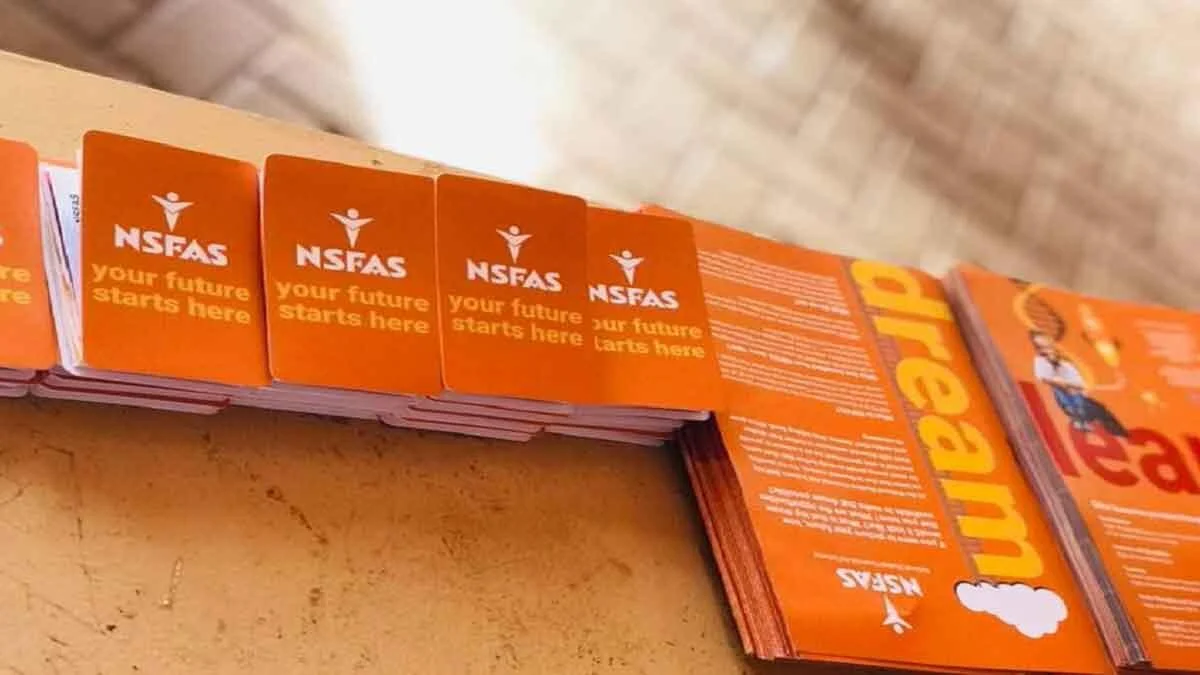
High Court Rules Against NSFAS Fintech Providers Contract
The Western Cape High Court has made a significant ruling concerning the National Student Financial Aid Scheme (NSFAS) and its contracts with fintech providers. In a decision that impacts how student allowances are managed, the court has declared the procurement processes and agreements used to appoint these companies unlawful and invalid. This judgment, while siding with NSFAS, also acknowledges that the fintech providers may still seek compensation for their involvement.
The system of fintech providers was introduced to manage the distribution of student allowances. However, it proved unpopular with many students who faced higher transaction fees compared to direct bank deposits. Since the termination of these contracts, NSFAS has resumed direct payment to students or through their respective universities. This ruling is a crucial step in addressing governance issues within NSFAS and ensuring more transparent and accountable management of public funds intended for student financial aid.
Court Finds NSFAS Payment Contracts Unlawful
The National Student Financial Aid Scheme (NSFAS) and the Special Investigating Unit (SIU) have welcomed the judgment handed down by the Western Cape High Court in the case of eZaga Holdings (Pty) Ltd v NSFAS and Others. This ruling specifically addresses the procurement process that led to the appointment of four companies tasked with distributing student allowances. These companies, often referred to as fintech providers, included eZaga Holdings (Pty) Ltd, Coinvest Africa (Pty) Ltd, Noracco Corporation (Pty) Ltd, and Tenet Technology (Pty) Ltd.
In a joint statement, NSFAS and the SIU highlighted that this judgment is a vital move towards improving governance, transparency, and accountability in the handling of public funds. The court’s decision found that both the procurement methods employed by NSFAS and the Service Level Agreements (SLAs) established with the fintech providers were unconstitutional, unlawful, and invalid. This means the entire framework under which these companies operated was deemed legally unsound.
The court’s findings pointed to a series of irregularities within the procurement process. These issues included the improper cancellation of tenders, which suggests that the bidding process was not conducted fairly or according to established procedures. Furthermore, there were problems with the irregular drafting and approval of bid documents, indicating a lack of proper oversight and adherence to guidelines. A significant concern was the failure to comply with mandatory procurement requirements, which are essential for ensuring fairness and preventing corruption. Finally, the court identified weak internal controls within NSFAS, suggesting that the scheme’s internal systems were not robust enough to prevent these irregularities from occurring.
NSFAS emphasized that the court’s agreement with their position on these irregularities validates their efforts to identify and correct significant governance failures. The scheme stated that this ruling reinforces their commitment to eradicating maladministration and protecting the integrity of public procurement processes. The ultimate goal is to ensure that the resources allocated to NSFAS are used in the best interests of South African students, providing them with the financial support they need to pursue their education. This legal victory is seen as a critical step in rebuilding trust and ensuring that NSFAS operates with the highest standards of integrity.
Procurement Process Found to Be Irregular
The court’s detailed examination of the NSFAS fintech provider contracts revealed a series of critical flaws in the procurement process. These irregularities were not minor oversights but fundamental deviations from established legal and administrative procedures, leading the court to declare the entire process and the resulting agreements as unlawful and invalid.
One of the primary issues identified was the improper cancellation of tenders. This suggests that once bids were submitted, NSFAS may have prematurely or unfairly terminated the tender process without proper justification. Such actions can undermine competition and raise suspicions about the fairness of the selection process, potentially favoring certain bidders over others.
Another significant finding was the irregular drafting and approval of bid documents. This points to a lack of diligence and adherence to standard practices when creating the documents that outline the requirements and criteria for potential service providers. Errors or ambiguities in bid documents can lead to confusion, unfair advantages, or the selection of unsuitable providers. The approval process itself may also have been flawed, lacking the necessary scrutiny or involving individuals who were not authorized to give their consent.
The court also highlighted a failure to comply with mandatory procurement requirements. Government procurement processes are governed by strict regulations designed to ensure fairness, transparency, and value for money. When these mandatory requirements are not met, it can invalidate the entire procurement exercise. This could involve issues such as not advertising tenders correctly, not following prescribed evaluation methods, or not adhering to timelines.
Finally, the judgment identified weak internal controls within NSFAS. This suggests that the internal systems and oversight mechanisms at NSFAS were not sufficient to prevent or detect the procurement irregularities. Strong internal controls are essential for safeguarding public funds and ensuring that all processes are conducted ethically and legally. The absence of these controls created an environment where the aforementioned irregularities could occur without timely intervention.
The court’s agreement with NSFAS’s stance on these issues underscores the seriousness of the findings. NSFAS views this judgment as a vindication of their efforts to uncover and address these governance failures. The ruling reinforces their determination to root out maladministration and protect the integrity of public procurement. By rectifying these procurement irregularities, NSFAS aims to ensure that public funds are managed responsibly and are used effectively to support students. This commitment to correcting past mistakes is crucial for rebuilding confidence in the administration of student financial aid.
No Evidence of Wrongdoing by Fintech Companies
Despite the court’s decision to invalidate the contracts with the fintech providers due to procurement irregularities, it is crucial to note that the judgment did not find any evidence of corruption, maladministration, or misconduct on the part of the fintech companies themselves. This distinction is important because it means the companies were not found to be complicit in the flawed procurement process.
The court’s ruling specifically stated that there was no evidence suggesting that eZaga Holdings (Pty) Ltd, Coinvest Africa (Pty) Ltd, Noracco Corporation (Pty) Ltd, or Tenet Technology (Pty) Ltd engaged in any wrongdoing related to how the contracts were awarded. This means their involvement, while ultimately deemed unlawful due to the flawed process, was not characterized by dishonest or unethical behavior on their part in the context of the procurement itself.
As a direct consequence of this finding, the court ordered that the affected fintech companies are entitled to claim just and equitable compensation. This compensation is intended to cover reasonable expenses and profits that can be proven to have been incurred under the invalidated agreements. Essentially, the court recognized that these companies had invested resources and expected returns based on the contracts they signed, even if those contracts were later found to be legally flawed due to NSFAS’s procurement process.
The court also stipulated that any compensation claims submitted by the fintech companies will be subject to strict scrutiny and independent verification. This measure is in place to ensure accountability and fairness in the compensation process. NSFAS and the SIU will likely be involved in reviewing these claims to ensure that they are legitimate and accurately reflect the actual costs and profits legitimately earned. This process aims to prevent any undue enrichment while ensuring that the companies are fairly compensated for their legitimate involvement.
NSFAS has confirmed its intention to work collaboratively with the affected service providers to implement the compensation process as directed by the court. This cooperative approach, guided by the court’s order, aims to resolve the financial implications of the invalidated contracts in a manner that is both fair to the companies and responsible in the use of public funds. The scheme and the SIU have reiterated their commitment to protecting public resources and rebuilding confidence in the administration of student financial aid. They want to assure all stakeholders, including students, parents, and the public, that NSFAS remains dedicated to upholding integrity and restoring faith in the management of student financial aid.
NSFAS to Engage With Affected Service Providers on Compensation
Following the Western Cape High Court’s ruling that invalidated the contracts with the fintech providers, NSFAS has announced its intention to engage with the affected companies regarding compensation. The court’s decision, while deeming the procurement process and agreements unlawful, also recognized that the fintech providers were not at fault for these irregularities. Consequently, they are eligible to claim for reasonable expenses and profits incurred during their tenure.
NSFAS has confirmed that it will work closely with eZaga Holdings (Pty) Ltd, Coinvest Africa (Pty) Ltd, Noracco Corporation (Pty) Ltd, and Tenet Technology (Pty) Ltd to implement the compensation process as mandated by the court. This engagement is expected to involve a thorough review of the claims submitted by each company. The court has emphasized that any compensation awarded will be subject to strict scrutiny and independent verification. This ensures that NSFAS disburses funds responsibly and only for legitimate expenses and proven profits.
The process of compensation will likely involve detailed financial assessments to ascertain the reasonable costs incurred by the fintech providers in delivering their services. This could include operational expenses, technological investments, and personnel costs. Additionally, the assessment will consider the profits that the companies could reasonably expect to have made under the terms of the invalidated agreements. The court’s directive for “just and equitable compensation” implies a balanced approach, ensuring that the companies are not unfairly penalized for the procurement failures of NSFAS, while also safeguarding public funds from excessive claims.
NSFAS and the Special Investigating Unit (SIU) have jointly reaffirmed their commitment to protecting public resources. This includes ensuring that the compensation process is transparent and accountable. They aim to rebuild confidence in the administration of student financial aid by demonstrating a commitment to good governance and fair dealings, even in the aftermath of a flawed procurement process. This engagement with the service providers is a critical step in resolving the contractual disputes and moving forward with a more robust and transparent system for student allowance payments.
The assurance given to stakeholders—students, parents, and the public—is that NSFAS remains steadfast in its dedication to upholding integrity. The scheme is focused on restoring confidence in its administration, particularly concerning the disbursement of financial aid to deserving students across South Africa. By adhering to the court’s directives on compensation and by continuing to improve its internal processes, NSFAS aims to ensure that future financial aid programs are managed with the highest standards of fairness and efficiency. This proactive approach to resolving outstanding issues is vital for maintaining the trust and support of the student community and the broader public.
What This Means for NSFAS Students
The High Court’s ruling against the NSFAS fintech providers marks a significant turning point in the administration of student financial aid in South Africa. For students, this judgment primarily signifies a move towards a more direct and potentially less costly system for receiving their allowances. The court’s decision to invalidate the contracts with eZaga Holdings (Pty) Ltd, Coinvest Africa (Pty) Ltd, Noracco Corporation (Pty) Ltd, and Tenet Technology (Pty) Ltd stems from irregularities in NSFAS’s procurement processes, not from any wrongdoing by the fintech companies themselves.
One of the most immediate implications for students is the continuation of direct payments. Since the termination of the fintech contracts, NSFAS has been disbursing allowances directly to students or through their universities. This system is generally preferred by students as it avoids the transaction fees that were often imposed by the fintech providers. These fees could significantly reduce the actual amount of allowance students received, impacting their ability to cover essential living expenses such as accommodation, food, and transportation. The court’s ruling solidifies this shift away from fee-charging intermediaries.
The judgment also reinforces NSFAS’s commitment to improving its governance and management of student funding. By acknowledging and rectifying the procurement failures, NSFAS is taking steps to ensure greater transparency and accountability in its operations. This is crucial for building trust among students and their families, who rely on NSFAS for essential financial support to access higher education. The scheme’s assurance that it remains committed to the effective and transparent administration of financial aid signals a dedication to serving the needs of deserving students across the country.
While the court ordered that the fintech companies could claim compensation, this process is subject to strict scrutiny and independent verification. This means that NSFAS will carefully review all claims to ensure that public funds are used appropriately. Students can be reassured that the focus remains on ensuring that financial aid reaches them efficiently and without unnecessary deductions. The resolution of the compensation claims is an administrative matter that NSFAS will manage in accordance with the court’s directive.
Ultimately, this ruling is a positive development for students. It addresses a system that was unpopular and financially burdensome for many, and it underscores NSFAS’s efforts to operate with greater integrity. The ongoing direct payment system, coupled with NSFAS’s renewed commitment to good governance, aims to provide a more reliable and equitable financial support structure for students pursuing their educational goals. The scheme’s focus is on ensuring that financial aid administration is fair, transparent, and serves the best interests of the students it is intended to support.
The History and Evolution of NSFAS Allowance Distribution
The way NSFAS distributes allowances to students has undergone significant changes over the years, reflecting attempts to improve efficiency, reduce costs, and enhance accountability. Initially, allowances were often disbursed through traditional banking channels or directly managed by institutions. However, as the student population grew and the complexities of managing financial aid increased, NSFAS began exploring different models for allowance distribution.
The introduction of fintech providers was a relatively recent development, aimed at leveraging technology to streamline the payment process. The idea was to create a more modern and efficient system for delivering funds directly to students, potentially offering features like mobile money access and easier transaction tracking. This move was also partly driven by a desire to centralize and standardize the distribution process across various institutions. However, the implementation of this system was met with considerable challenges and criticism.
One of the main issues that arose with the fintech provider model was the imposition of transaction fees. Students found that a portion of their hard-earned allowances was being deducted by these third-party companies for services that they felt should have been free or minimal, especially when compared to direct bank transfers. This led to widespread dissatisfaction among students, who argued that these fees reduced the value of their NSFAS funding and made it harder to manage their living expenses. Protests and complaints became common, highlighting the financial burden these fees placed on already financially constrained students.
The controversy surrounding these fees and the perceived lack of transparency in the selection of fintech providers eventually led to investigations and legal challenges. The Special Investigating Unit (SIU) played a crucial role in probing the procurement processes, uncovering irregularities that were later brought before the Western Cape High Court. The court’s decision to declare the contracts unlawful and invalid was a direct response to these findings, indicating that the way these companies were appointed did not meet legal and constitutional standards.
Following the court’s ruling and the subsequent termination of the fintech contracts, NSFAS has reverted to a more direct payment system. This involves disbursing allowances either directly into students’ personal bank accounts or through their respective tertiary institutions. This approach aims to eliminate the intermediary fees and provide students with greater control over their funds. It also aligns with the principle of ensuring that the full amount of the allocated allowance reaches the student without deductions from third parties.
The evolution of NSFAS allowance distribution highlights a continuous effort to balance efficiency, cost-effectiveness, and student welfare. While the fintech provider model was an attempt to modernize the system, its execution revealed significant flaws. The current direct payment approach, while perhaps less technologically advanced in some aspects, appears to be more aligned with the financial realities and expectations of NSFAS beneficiaries. The ongoing commitment from NSFAS and the SIU to strengthen governance and transparency suggests a dedication to learning from past mistakes and implementing more robust and student-centric financial aid management systems moving forward. This journey underscores the importance of rigorous procurement processes and continuous evaluation of service providers to ensure that public funds are managed effectively and ethically.
Legal Framework and Procurement Standards for Public Funds
Managing public funds, such as those allocated to the National Student Financial Aid Scheme (NSFAS), is governed by a strict legal framework designed to ensure accountability, transparency, and the efficient use of taxpayer money. In South Africa, the Public Finance Management Act (PFMA) and the Preferential Procurement Policy Framework Act (PPPFA) are key pieces of legislation that dictate how government departments and public entities must conduct their financial affairs and procure goods and services.
The PFMA provides the overarching framework for managing public finances. It sets out the responsibilities of accounting officers and authorities, establishes requirements for financial reporting, and mandates the implementation of internal controls to prevent fraud, corruption, and mismanagement. For entities like NSFAS, the PFMA ensures that all financial transactions, including the disbursement of student allowances and the contracting of service providers, are conducted in a manner that is both legal and ethical. The Act emphasizes the need for prudent financial management and the safeguarding of public assets.
The PPPFA, along with its associated regulations, governs the procurement of goods and services by government institutions. This legislation aims to promote fairness, competitiveness, and transparency in the tendering process. It also allows for the use of preferential policies to address historical inequalities, such as Black Economic Empowerment (BEE) and the promotion of small and medium-sized enterprises (SMEs). Public entities are required to develop and adhere to procurement policies that comply with the PPPFA, ensuring that all tenders are advertised, evaluated, and awarded based on predetermined criteria.
The irregularities identified by the court in the NSFAS fintech provider procurement process directly relate to violations of these fundamental procurement principles. The “improper cancellation of tenders,” “irregular drafting and approval of bid documents,” and “failure to comply with mandatory procurement requirements” all point to a breakdown in the adherence to the PFMA and PPPFA. These laws mandate specific procedures that must be followed to ensure that procurement processes are fair, competitive, and free from bias or corruption.
For instance, mandatory procurement requirements often include specific timelines for advertising tenders, clear evaluation criteria, and a transparent process for awarding contracts. Any deviation from these requirements can render the procurement process invalid, as seen in the NSFAS case. The court’s finding of “weak internal controls” further suggests that NSFAS may not have had adequate systems in place to enforce compliance with these legal obligations, making it susceptible to the procurement irregularities that occurred.
The SIU’s involvement in the NSFAS case highlights the role of investigative bodies in ensuring compliance with public finance laws. The SIU is empowered to investigate allegations of corruption, fraud, and maladministration in government institutions and to take civil action to recover public funds lost through such acts. Their collaboration with NSFAS in this matter underscores the seriousness with which these legal frameworks are treated.
The court’s decision to declare the contracts unlawful and invalid serves as a strong reminder of the consequences of failing to adhere to procurement standards. It reinforces the principle that public funds must be managed with the utmost integrity and in strict accordance with the law. While the court acknowledged that the fintech companies themselves were not found to be corrupt, the invalidation of the contracts underscores that the process by which they were appointed was fundamentally flawed, thereby invalidating the agreements themselves. This legal precedent reinforces the importance of robust procurement practices for all public entities in South Africa.
Rebuilding Trust and Ensuring Future Integrity in NSFAS Operations
The High Court’s ruling against the NSFAS fintech providers’ contracts, while resolving a significant legal dispute, also presents an opportunity for NSFAS to rebuild trust and strengthen its operational integrity. The irregularities identified in the procurement process have, understandably, eroded confidence among students, parents, and the public. Moving forward, NSFAS must demonstrate a clear commitment to transparency, accountability, and student-centric service delivery.
One of the most immediate steps NSFAS has taken, and must continue to uphold, is the direct disbursement of student allowances. This system, favored by students for its cost-effectiveness and simplicity, should be further optimized. Ensuring that these payments are timely, accurate, and free from any unexpected deductions is paramount. Clear communication channels should be established to address any student queries or issues related to allowance payments promptly.
Beyond the payment system itself, NSFAS needs to focus on strengthening its internal governance and procurement processes. The court’s finding of “weak internal controls” is a critical area that requires immediate and sustained attention. This involves implementing robust checks and balances at every stage of procurement, from tender advertisement to contract management. Investing in training for procurement staff and ensuring strict adherence to the PFMA and PPPFA are essential. Establishing an independent oversight committee or strengthening existing ones could also provide an additional layer of accountability.
Transparency in all NSFAS operations is key to rebuilding trust. This includes making information about funding allocations, procurement processes, and performance metrics publicly accessible. Regular reports on the scheme’s financial health and operational efficiency can help stakeholders understand how public funds are being managed. Open communication about challenges and the steps being taken to address them will foster a sense of partnership rather than suspicion.
Furthermore, NSFAS should actively seek feedback from its primary stakeholders – the students. Establishing mechanisms for regular consultation and feedback, such as student forums or surveys, can provide valuable insights into their needs and concerns. Understanding the student experience, particularly regarding allowance distribution and access to funding, is crucial for developing effective and responsive policies and services.
The collaboration with the Special Investigating Unit (SIU) has been instrumental in uncovering and addressing past issues. Continued cooperation with such bodies, as well as internal audit functions, will help maintain a culture of continuous improvement and vigilance against potential maladministration. The SIU’s role in ensuring accountability for the misuse of public funds is a vital component of good governance.
In conclusion, the path forward for NSFAS involves not only rectifying past mistakes but also proactively building a more resilient and trustworthy institution. By prioritizing transparent procurement, efficient and student-friendly allowance distribution, and open communication, NSFAS can work towards restoring confidence and ensuring that it effectively fulfills its mandate of providing financial aid to deserving students, thereby contributing to educational equity in South Africa. The commitment to integrity and accountability must be a continuous endeavor, embedded in the daily operations of the scheme.

Conversation
0 Comments