

The world of filmmaking is a complex tapestry woven with creativity, technical skill, and a great deal of collaboration. Whether it’s a sweeping historical epic or an intimate character study, bringing a story to life on screen requires the dedication of a diverse crew, often from different cultural backgrounds. Understanding how these teams function, especially across international borders, offers valuable insights into the art and business of cinema. This article will explore the dynamics of international film crews, focusing on the experiences and perspectives of those involved in cross-cultural productions. We will examine the challenges and rewards of working with diverse teams, the importance of clear communication, and how cultural understanding can shape the final product.
The Global Nature of Modern Filmmaking
Filmmaking has become an increasingly globalized industry. Major productions often seek out unique locations, specialized talent, and cost-effective resources from around the world. This international approach means that film sets are frequently a melting pot of different nationalities, languages, and professional backgrounds. The rise of streaming services and the demand for content from various regions have further fueled this trend, encouraging more co-productions and international collaborations.
This global reach means that a film crew might include actors from Hollywood, a director from Europe, cinematographers from Asia, and local crews hired in the filming location. Each member brings their own set of experiences, working styles, and cultural perspectives to the project. Navigating these differences is a key aspect of modern film production.
Bridging Cultural Divides on Set
Working with a crew from a different country presents both opportunities and challenges. On one hand, it allows for the infusion of fresh ideas and diverse storytelling approaches. On the other hand, it requires careful management to ensure everyone is working towards a common goal. Misunderstandings can arise from differences in communication styles, work ethics, and even basic social customs.
For example, directness in communication might be valued in one culture, while indirectness is preferred in another. Punctuality can be viewed with varying degrees of importance. Understanding these subtle differences is crucial for building a cohesive and productive team. Assistant directors, in particular, play a vital role in facilitating smooth operations by acting as a bridge between different departments and cultural groups.
Case Study: ‘Once Upon a Time in the Middle East’
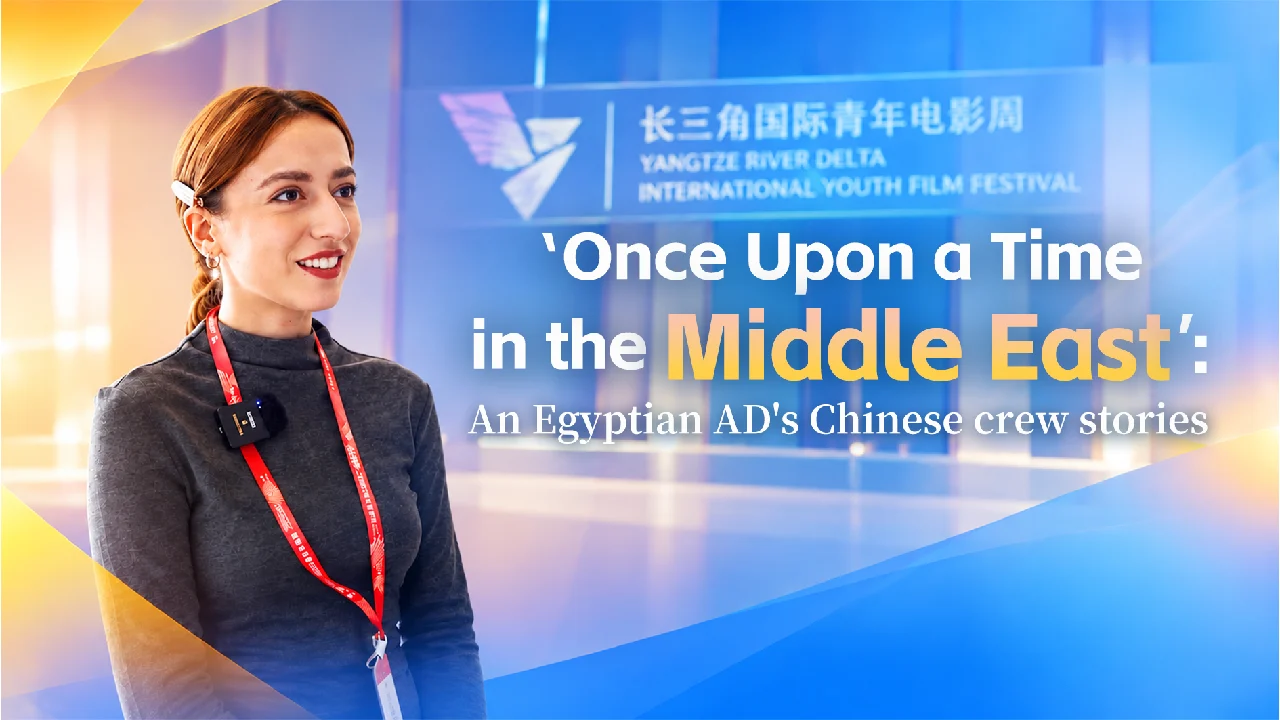
A recent example highlighting the dynamics of international film crews is the Chinese war drama Once Upon a Time in the Middle East. The production involved a Chinese film crew working in an international setting, offering a glimpse into cross-cultural collaboration. Hagar Ashraf Sayed Abdelrahman, an Egyptian Assistant Director, shared her positive experiences working with the Chinese crew during the 2026 Yangtze River Delta International Youth Film Festival.
Abdelrahman specifically praised the professionalism and strong sense of responsibility demonstrated by the Chinese film crew. This suggests that despite potential cultural differences, a shared commitment to the craft of filmmaking can lead to successful collaborations. Her positive feedback underscores the potential for fruitful partnerships between filmmakers from different nations.
Professionalism and Responsibility
The dedication and work ethic of a film crew are paramount to a project’s success. When a crew, regardless of its origin, exhibits a high level of professionalism and a strong sense of responsibility, it fosters trust and efficiency. This was a key takeaway from Abdelrahman’s experience. A responsible crew member is one who understands their role, meets deadlines, and contributes positively to the overall atmosphere on set.
Professionalism extends beyond just technical skills; it includes attitude, punctuality, and respect for colleagues and the creative process. In international productions, where stakes can be high and schedules tight, these qualities become even more critical. A crew that is both professional and responsible can overcome many of the hurdles that arise from cultural or linguistic barriers.
The Role of the Assistant Director
The Assistant Director (AD) is often the linchpin of a film set, responsible for managing the schedule, coordinating the crew, and ensuring that the director’s vision is executed efficiently. In an international production, the AD’s role becomes even more complex. They must not only manage the logistics but also act as a cultural liaison, helping to bridge any gaps in understanding between crew members from different backgrounds.
An effective AD can anticipate potential misunderstandings and proactively address them. This might involve clarifying instructions, mediating minor conflicts, or simply ensuring that everyone feels respected and valued. Abdelrahman’s position as an Egyptian AD on a Chinese production highlights how local talent can be instrumental in facilitating smooth international collaborations.
Building Trust and Communication Across Cultures
Effective communication is the bedrock of any successful team, but it takes on heightened importance in international film productions. Language barriers are the most obvious challenge, but even when a common language is spoken, differences in communication styles can lead to misunderstandings. Some cultures favor direct and explicit communication, while others rely more on context and non-verbal cues.
Overcoming Language Barriers
When a film crew operates in a language that is not native to all members, specific strategies are needed. This can include hiring translators for key communications, ensuring that scripts and call sheets are available in multiple languages, and encouraging visual communication through storyboards and demonstrations. Crew members who are multilingual can also be invaluable assets, acting as informal translators and cultural bridges.
The experience on Once Upon a Time in the Middle East suggests that even with potential language differences, a shared commitment to the project can foster understanding. However, formal measures to ensure clear communication are always beneficial. This might involve pre-production meetings where communication protocols are established and expectations are set for all team members.
Adapting Communication Styles
Beyond literal language, understanding different communication styles is vital. For instance, a direct “no” might be considered impolite in some cultures, leading to indirect refusals that can be misinterpreted. Similarly, the way feedback is given or received can vary significantly. Acknowledging these differences and adapting accordingly can prevent friction and build stronger working relationships.
Film crews often develop their own unique communication shorthand over time, but this can be harder to establish with a diverse, international group. Open dialogue about communication preferences, perhaps during initial team-building exercises, can help set a positive tone. Encouraging active listening and seeking clarification when unsure are essential practices for everyone on set.
Cultural Exchange and Artistic Enrichment
International film productions offer a unique opportunity for cultural exchange. Crew members can learn from each other’s traditions, perspectives, and approaches to storytelling. This cross-pollination of ideas can lead to more authentic and nuanced portrayals of different cultures within the film itself. It also enriches the personal and professional development of the individuals involved.
Learning from Different Perspectives
When filmmakers from various backgrounds collaborate, they bring with them a wealth of knowledge about their own cultures. This can inform everything from set design and costume choices to character motivations and narrative arcs. For a war drama like Once Upon a Time in the Middle East, understanding the historical and cultural context of the setting is crucial for an authentic representation.
Working with an international crew allows filmmakers to tap into this diverse knowledge base, potentially leading to a more accurate and compelling story. It also challenges preconceived notions and broadens the understanding of the filmmakers themselves, fostering a more global perspective on storytelling.
Fostering Future Collaborations
Positive experiences in international co-productions often pave the way for future collaborations. When filmmakers and crews from different countries work well together, it builds a foundation of trust and mutual respect. This can lead to new partnerships, joint ventures, and a more interconnected global film industry.
Hagar Ashraf Sayed Abdelrahman’s expressed hope for more China-Egypt film collaborations is a testament to this. Successful projects create a positive precedent, encouraging further investment and creative exchange between nations. This can lead to a richer and more diverse cinematic landscape for audiences worldwide.
The Impact of Technology on International Film Crews
Technology has played a significant role in facilitating international film production and collaboration. Advancements in communication tools, project management software, and digital workflows have made it easier for teams to work together across vast distances.
Digital Workflows and Collaboration Tools
Cloud-based platforms allow for the sharing of scripts, storyboards, and footage in real-time, regardless of location. Video conferencing tools enable virtual meetings and dailies reviews, keeping everyone connected and informed. This technological infrastructure is essential for managing the complexities of a global production.
Project management software helps to keep track of tasks, deadlines, and responsibilities, ensuring that all team members are aligned. These tools can be particularly useful in bridging time zone differences and ensuring that communication flows smoothly between different parts of the world.
Virtual Production and Remote Collaboration
The rise of virtual production techniques, which often involve real-time rendering and interactive environments, further blurs geographical boundaries. While these technologies are still evolving, they hold the promise of enabling even more seamless collaboration among international teams, potentially reducing the need for extensive travel and physical presence on set for certain roles.
This can democratize filmmaking, allowing talent from anywhere in the world to contribute to high-end productions without being physically present. It also opens up new creative possibilities by allowing for more dynamic and responsive filmmaking processes.
Challenges and Solutions in Cross-Cultural Productions
Despite the advancements, international film productions still face unique challenges. These can range from logistical hurdles like visa processing and international shipping of equipment to more nuanced issues related to cultural norms and legal frameworks.
Logistical and Administrative Hurdles
Securing work visas for cast and crew can be a time-consuming and complex process. Navigating different customs regulations for equipment and materials adds another layer of difficulty. Coordinating travel and accommodation for a large international team requires meticulous planning and often the expertise of specialized production services.
Solutions often involve hiring local production companies or fixers who are familiar with the specific regulations and logistical landscape of the filming location. Building strong relationships with these local partners is key to overcoming these administrative challenges.
Legal and Financial Considerations
International co-productions also involve complex legal agreements regarding intellectual property, distribution rights, and financial contributions from different parties. Understanding and adhering to the labor laws and tax regulations of multiple countries is essential.
Clear and comprehensive contracts are vital to avoid disputes. Consulting with legal experts experienced in international film finance and co-production agreements is a necessary step for any global film project. Ensuring transparency in financial dealings among all partners builds trust and facilitates smooth operations.
The Future of International Film Collaboration
The trend towards globalization in filmmaking is likely to continue. As audiences become more diverse and demand a wider range of stories, international co-productions will become even more prevalent. The success of projects like Once Upon a Time in the Middle East, where positive cross-cultural experiences are highlighted, bodes well for the future.
Expanding Global Storytelling
International collaborations allow for the creation of films that resonate with a broader audience by incorporating diverse perspectives and narratives. This can lead to a richer and more representative cinematic landscape, moving away from a purely Western-centric view of storytelling.
The ability to tap into different cultural reservoirs of stories, myths, and historical events offers endless possibilities for creative exploration. This enriches not only the films produced but also the understanding of different cultures among global audiences.
Building a Connected Film Community
As more filmmakers and crews work together across borders, a more interconnected global film community will emerge. This can foster a sense of shared purpose and mutual learning, breaking down traditional barriers and encouraging innovation. The experiences shared by individuals like Hagar Ashraf Sayed Abdelrahman contribute to this growing network.
This interconnectedness can lead to new artistic movements, shared technical advancements, and a more collaborative spirit within the industry. It transforms filmmaking from a series of isolated national industries into a truly global art form.
Conclusion
The experience of working with an international film crew, as exemplified by the Chinese production Once Upon a Time in the Middle East, demonstrates that while challenges exist, the rewards are substantial. Professionalism, clear communication, and a willingness to understand and adapt to different cultural norms are key to success. Technology continues to play an increasingly vital role in bridging geographical divides, making global collaborations more feasible than ever before. As the film industry continues to expand its reach, international co-productions will undoubtedly play a larger role in shaping the stories we see on screen, fostering greater cultural understanding and a more vibrant global cinematic landscape.



Conversation
0 Comments