

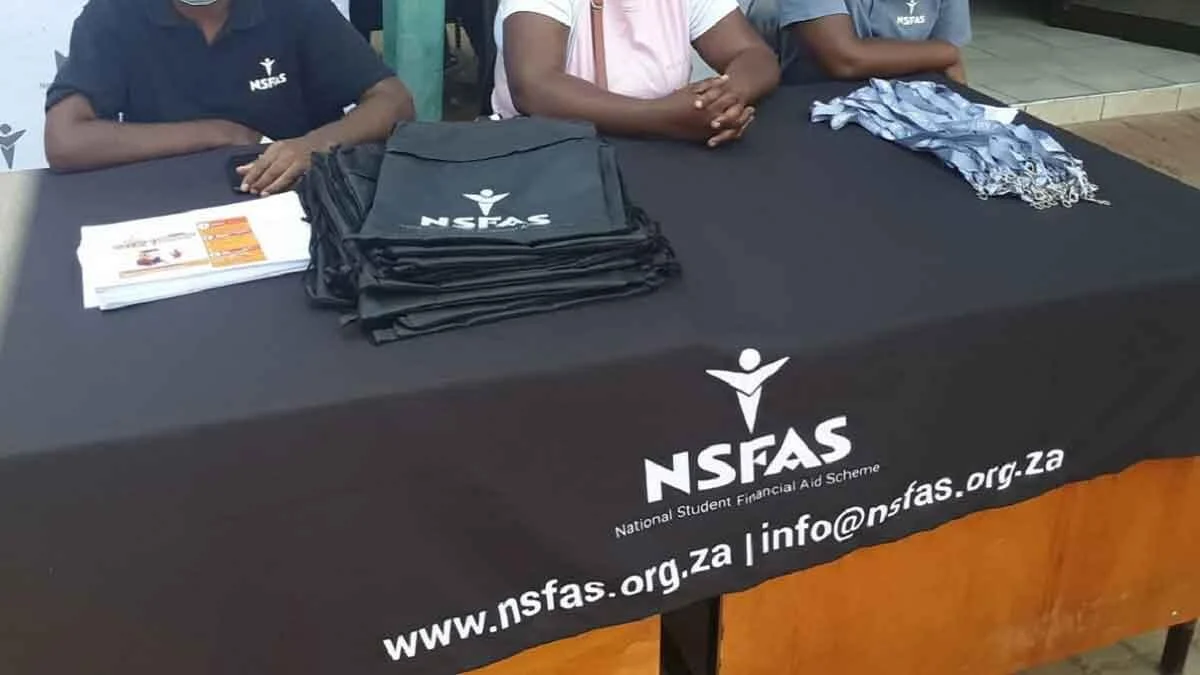
The National Student Financial Aid Scheme (NSFAS) has been a cornerstone of higher education access in South Africa for many years, aiming to provide financial assistance to students from low-income backgrounds. However, recent events have cast a shadow over its operational stability, leading to significant public concern and parliamentary scrutiny. The scheme’s governance has faced considerable challenges, prompting drastic measures to ensure its continued function and the welfare of its beneficiaries. This analysis will delve into the recent developments surrounding NSFAS, focusing on the parliamentary committee’s efforts to gain clarity, the reasons behind placing the organization under administration, and the implications for students.
Parliament’s Pursuit of Clarity on NSFAS Operations
Members of Parliament, specifically those on the Portfolio Committee for Higher Education and Training, have expressed a strong determination to obtain a comprehensive update on the latest developments within NSFAS. This commitment stems from the critical role NSFAS plays in the lives of millions of South African students and its impact on the broader higher education landscape. The committee’s pursuit of information highlights a fundamental aspect of parliamentary oversight: ensuring accountability and transparency from government entities.
The committee’s efforts to schedule a meeting with the Higher Education Minister, Buti Manamela, underscore the seriousness with which they view the situation. The initial meeting was postponed at short notice by the Minister, who cited a lack of complete information as the reason for his inability to attend. This cancellation, while perhaps understandable from the Minister’s perspective, created further uncertainty and frustration among committee members who had prepared for the engagement. The lack of timely and adequate documentation is a recurring theme, suggesting systemic issues in the flow of information between NSFAS, the Ministry, and Parliament.
Committee members were particularly concerned about the delay in receiving necessary documents related to the NSFAS intervention. This lack of preparedness meant they could not effectively scrutinize the decisions made and the procedures followed. Chairperson Tebogo Letsie found himself in a difficult position, with limited options to proceed without the required materials. The committee’s discussion revealed that the postponement was formally communicated through an official letter from the chairperson, dispelling rumors of an informal cancellation via WhatsApp. This distinction is important, as it emphasizes the formal processes that should govern parliamentary engagements.
The committee recommended a new meeting date, Friday, May 29, 2026, and stressed the importance of the timely delivery of documentation concerning the appointment of the NSFAS administrator. This administrator plays a crucial role in overseeing the scheme during its period of administration, and Parliament needs to understand the selection process and the administrator’s mandate. Letsie reiterated that parliamentary accountability processes mandate the Minister’s appearance before the committee to explain key decisions, including the rationale behind placing NSFAS under administration and the steps taken during that process. This highlights the committee’s role in holding the executive accountable for its actions and ensuring that public funds and services are managed effectively.
The Decision to Place NSFAS Under Administration
The decision by Minister Buti Manamela to place NSFAS under administration in early May 2026 was a significant development, signaling a crisis in the organization’s governance. This drastic measure is typically reserved for entities facing severe operational and financial challenges, often characterized by instability and a lack of effective leadership. The ongoing governance instability at NSFAS had reached a point where direct intervention was deemed necessary to safeguard the scheme’s future and its ability to serve students.
Placing an organization under administration means that an independent administrator is appointed to take control of its operations. This administrator’s primary goal is to stabilize the entity, address the underlying issues, and restore it to a functional state. For NSFAS, this involved tackling the deep-seated governance problems that had plagued the organization for some time. These issues likely included a breakdown in leadership, poor financial management, inadequate internal controls, and a failure to comply with regulatory requirements. Such a situation can lead to inefficiencies, mismanagement of funds, and a compromised ability to deliver on its mandate.
The timing of this decision, just before the crucial period of student funding applications and disbursements, raised immediate concerns about potential disruptions. However, Minister Manamela assured students that funding and allowance payments would continue without interruption. This assurance was critical in alleviating the anxiety of millions of students who rely on NSFAS for their tertiary education. The administrator’s role would include ensuring that these essential functions continued seamlessly while the broader governance issues were being addressed.
The committee’s acceptance of NSFAS’s explanation regarding travel expenses for former board members also sheds light on some of the specific issues that may have contributed to the governance problems. The explanation that NSFAS could not cover these costs because the individuals no longer hold office, and there might be no legal or policy basis for such expenditure, suggests potential irregularities or a lack of adherence to financial policies. While this specific issue might seem minor in the grand scheme of things, it can be indicative of broader systemic weaknesses in financial oversight and compliance.
Implications for NSFAS-Funded Students
The administration of NSFAS has direct and significant implications for the millions of students who depend on its funding. The primary concern for these students is the continuity of their financial support, including tuition fees, accommodation allowances, and living expenses. As mentioned, Minister Manamela has provided assurances that these payments will not be interrupted. This is paramount, as any disruption could lead to students being unable to register, attend classes, or even sustain themselves, potentially derailing their educational pursuits.
The appointment of an administrator is intended to bring stability and efficiency to NSFAS operations. This means that students can expect a more streamlined application process, clearer communication, and more reliable disbursement of funds in the long term. The administrator will likely focus on improving the systems and processes that have been identified as weak points, aiming to prevent future governance crises. This could involve implementing stricter financial controls, enhancing IT systems, and improving communication channels with students, universities, and TVET colleges.
However, the transition period itself can present challenges. Students might experience some initial confusion or delays as the new administration takes hold. It is crucial for NSFAS, under the guidance of the administrator, to maintain open and transparent communication with students throughout this process. Providing regular updates on the progress of the administration, explaining any changes to procedures, and offering clear channels for students to seek assistance will be vital in managing expectations and minimizing anxiety.
The long-term goal of placing NSFAS under administration is to restore its credibility and ensure its sustainability. A well-functioning NSFAS is essential for social mobility and economic development in South Africa. By addressing the governance issues head-on, the aim is to create a more robust and reliable financial aid scheme that can continue to support deserving students for years to come. This includes ensuring that the scheme is managed with integrity, efficiency, and a clear focus on its mandate to empower students through education.
The Role of the NSFAS Administrator
The administrator appointed to oversee NSFAS plays a pivotal role in navigating the scheme through its current challenges. This individual is tasked with a significant responsibility: to stabilize the organization, address the root causes of its governance issues, and ensure the continued provision of financial aid to students. The administrator acts as an interim leader, stepping in when the existing management and board have proven unable to effectively govern the entity.
One of the administrator’s immediate priorities is to conduct a thorough assessment of NSFAS’s financial health and operational efficiency. This involves scrutinizing financial records, identifying areas of mismanagement or waste, and developing a recovery plan. The administrator will also need to review existing policies and procedures, making necessary amendments to strengthen governance and compliance. This might include implementing stricter procurement processes, enhancing risk management frameworks, and ensuring adherence to all relevant legislation and regulations.
Furthermore, the administrator is responsible for ensuring the uninterrupted disbursement of student allowances and tuition fees. This requires close collaboration with financial institutions, universities, and TVET colleges to guarantee that funds reach students and institutions on time. Maintaining the flow of these essential payments is critical to preventing academic disruptions and maintaining student confidence in the scheme. The administrator will likely work to improve the efficiency and accuracy of these disbursement processes, leveraging technology where possible.
Communication is another key aspect of the administrator’s role. They must establish clear and consistent lines of communication with all stakeholders, including students, their families, educational institutions, the Ministry of Higher Education, and Parliament. This involves providing regular updates on the progress of the administration, explaining the steps being taken to address the challenges, and being accessible to address concerns and queries. Transparency in communication can help to build trust and manage expectations during a period of uncertainty.
The administrator’s tenure is typically temporary, with the ultimate goal of restoring NSFAS to a state where it can be managed effectively by its own leadership. This means that the administrator will also be involved in the process of identifying and appointing a new, stable leadership team, including a board of directors and senior management. The success of the administration will be measured not only by its ability to stabilize the organization but also by its effectiveness in laying the groundwork for a more resilient and well-governed NSFAS in the future.
Addressing Governance Instability: Lessons Learned and Future Directions
The governance instability that led to NSFAS being placed under administration offers critical lessons for the future management of public entities, particularly those responsible for vital social services. The situation highlights the importance of robust oversight mechanisms, proactive risk management, and a commitment to ethical leadership. For NSFAS, this means a fundamental re-evaluation of its internal structures and processes to prevent a recurrence of such crises.
One of the primary lessons is the need for strong and independent governance. A well-functioning NSFAS requires a board of directors that is not only competent but also independent and free from undue influence. This board must have the authority and the will to hold management accountable, ensure financial prudence, and uphold the scheme’s mandate. The appointment process for board members needs to be transparent and merit-based, ensuring that individuals with the necessary expertise and integrity are selected.
Proactive risk management is another crucial takeaway. Instead of reacting to crises, public entities must develop sophisticated systems for identifying, assessing, and mitigating potential risks. For NSFAS, this would involve anticipating challenges related to funding, student demand, operational capacity, and technological infrastructure. Early detection of issues allows for timely intervention, preventing them from escalating into full-blown crises. This requires a culture of continuous improvement and a willingness to adapt to changing circumstances.
The role of parliamentary oversight, as demonstrated by the Portfolio Committee’s determination, is indispensable. Parliament serves as a vital check on the executive and public entities, ensuring accountability and transparency. The committee’s insistence on receiving timely and comprehensive information, and its commitment to holding the Minister accountable, are essential components of good governance. Strengthening these oversight functions, including providing parliamentary committees with the resources and expertise they need, is crucial for maintaining public trust.
Looking ahead, the future direction for NSFAS must focus on rebuilding trust and ensuring long-term sustainability. This involves not only addressing the immediate governance issues but also implementing systemic reforms. These reforms could include modernizing IT systems to improve efficiency and data management, enhancing communication strategies to better serve students, and fostering stronger partnerships with higher education institutions. The ultimate goal is to create an NSFAS that is not only financially sound but also operationally effective and responsive to the needs of South Africa’s aspiring students. The journey to full recovery may be long, but the commitment to a stable and efficient NSFAS remains a national imperative.
Conclusion
The recent developments surrounding NSFAS, including parliamentary scrutiny and the decision to place the organization under administration, underscore the critical importance of effective governance in public entities. The pursuit of clarity by the Portfolio Committee, the Minister’s intervention to address governance instability, and the ongoing work of the appointed administrator all point towards a concerted effort to stabilize and reform the National Student Financial Aid Scheme. While these measures have understandably caused concern among students, the assurances of uninterrupted funding and the long-term goal of a more robust NSFAS offer a path forward. The lessons learned from this period of instability are vital, emphasizing the need for strong oversight, proactive risk management, and unwavering commitment to the scheme’s mandate. Ultimately, a well-functioning NSFAS is essential for empowering South Africa’s youth and fostering a more equitable future through access to higher education.

Conversation
0 Comments