

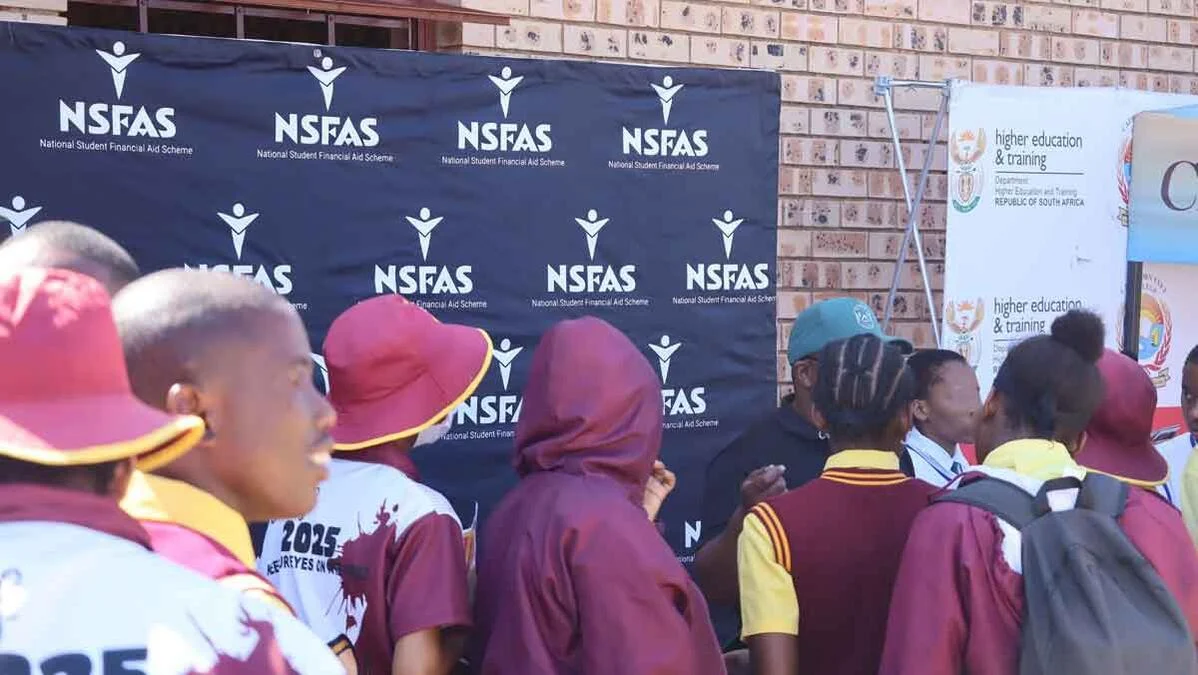
The National Student Financial Aid Scheme (NSFAS) plays a critical role in South Africa’s education landscape, providing financial support to students who would otherwise be unable to afford tertiary education. This support is particularly vital for students attending Technical and Vocational Education and Training (TVET) colleges, which offer practical skills training for various industries. NSFAS allowances are designed to cover not just tuition and registration fees but also essential living costs, such as accommodation, transport, and meals. These allowances are crucial for ensuring students can focus on their studies without the added burden of financial stress.
Recently, NSFAS confirmed a significant disbursement of R621 million in student allowances to 203,653 TVET college students. This payment, made on April 17, 2026, underscores NSFAS’s commitment to timely financial aid, aiming to prevent disruptions to academic activities. However, the disbursement was not without its challenges. Approximately 12,000 students were excluded from this payment cycle due to data inconsistencies. These issues arose during routine verification processes, highlighting the complexities of managing vast amounts of student data across different institutions and NSFAS systems. NSFAS is actively working with affected TVET colleges to rectify these data errors, with the possibility of supplementary payments for eligible students once records are corrected.
To prevent future payment delays and improve service delivery, NSFAS has implemented new support measures. These include deploying specialist teams to colleges nationwide to help resolve outstanding data challenges and strengthening collaboration with institutions for accurate and timely data submission. The scheme emphasizes its commitment to transparency, accountability, and student-centered service delivery, urging colleges to prioritize data correction to ensure all qualifying students receive their allowances without delay. Students experiencing payment issues are advised to maintain communication with their respective colleges for the latest updates.
Understanding NSFAS Allowances for TVET Students
NSFAS allowances are a cornerstone of financial support for students pursuing education at TVET colleges. These allowances are not a one-size-fits-all amount; they are structured to address the diverse needs of students, covering a range of essential expenses beyond just tuition fees. For TVET students, these allowances are particularly important as many come from disadvantaged backgrounds and rely heavily on this funding to complete their studies and gain valuable vocational skills. The scheme aims to ensure that financial constraints do not become a barrier to accessing quality education and training.
The structure of NSFAS allowances is designed to be comprehensive, acknowledging that a student’s ability to learn is directly impacted by their living conditions. This includes provisions for accommodation, whether on or off-campus, which can be a significant expense, especially in urban areas. Transport allowances are also provided to help students cover the costs of commuting to and from college, as well as to practical training sites or workplaces. Furthermore, a meal allowance is typically included, recognizing the fundamental need for students to have adequate nutrition to maintain their energy and focus on their academic pursuits.
Beyond these core living costs, NSFAS allowances may also cover other essential academic needs. This can include funds for learning materials, such as textbooks, stationery, and specific equipment required for certain vocational courses. Some allowances might also extend to personal care items, ensuring students can maintain their hygiene and well-being. The exact breakdown and amount of these allowances can vary depending on the student’s specific circumstances, the type of institution they attend, and the duration of their program. NSFAS regularly reviews and updates its allowance structure to better meet the evolving needs of its beneficiaries.
The Recent R621 Million Disbursement: A Closer Look
The recent disbursement of R621 million by NSFAS to 203,653 TVET college students represents a substantial financial injection into the vocational education sector. This payment, confirmed on April 17, 2026, was intended to ensure that students received their much-needed allowances promptly, thereby supporting uninterrupted learning and teaching. Such large-scale disbursements are a testament to NSFAS’s operational capacity and its commitment to fulfilling its mandate of providing financial aid to eligible students across the country.
However, the process was not entirely smooth. The exclusion of approximately 12,000 students from this payment cycle due to data inconsistencies highlights a persistent challenge within the NSFAS system. These inconsistencies often arise from discrepancies between the data held by TVET colleges and the information registered within NSFAS’s central database. Factors contributing to these issues can include manual data entry errors, delays in updating student records, or system integration problems between different educational institutions and the financial aid scheme. NSFAS has acknowledged these challenges and is actively engaged in resolving them.
NSFAS’s response to these data issues involves close collaboration with the affected TVET colleges. Regional working sessions have been initiated to review and correct student records. The scheme emphasizes the importance of colleges expediting data correction to ensure that all eligible students are included in subsequent disbursements. This collaborative approach is crucial for building trust and ensuring the efficient flow of funds to those who depend on them. The commitment to resolving these issues demonstrates NSFAS’s dedication to improving its service delivery and upholding its promise to support students’ educational journeys.
Challenges and Solutions: Addressing Data Inconsistencies
The recurring issue of data inconsistencies poses a significant hurdle for NSFAS in ensuring timely and accurate allowance disbursements. These inconsistencies can lead to a cascade of problems, including delayed payments, incorrect amounts being disbursed, or students being entirely excluded from funding cycles. For students, such disruptions can have severe consequences, potentially forcing them to abandon their studies or incur debt to cover essential living expenses. Understanding the root causes of these data issues is the first step toward finding effective solutions.
Common causes for data inconsistencies include:
- Manual Data Entry Errors: Human error during the input of student information into college or NSFAS systems can lead to typos, incorrect identification numbers, or missing details.
- System Integration Issues: When different IT systems used by colleges and NSFAS do not communicate effectively, data can become fragmented or outdated.
- Delayed Updates: Changes in student status, such as enrollment changes, course switches, or residential address updates, may not be reflected in both systems simultaneously.
- Incomplete or Inaccurate Information from Students: Sometimes, students themselves may provide incomplete or incorrect personal details during the application process.
- Variations in Data Formats: Different institutions might use varying data formats, making it difficult for NSFAS to process information uniformly.
To combat these challenges, NSFAS is implementing several measures. The deployment of specialist teams to colleges is a proactive step aimed at providing on-site support for data verification and correction. These teams can work directly with college administrators to identify and resolve issues in real-time. Furthermore, NSFAS is strengthening its collaboration with educational institutions, emphasizing the need for accurate and timely data submission. This involves establishing clearer protocols for data exchange and potentially investing in more robust data management systems.
The scheme also recognizes the importance of clear communication and support for colleges. By providing training and resources, NSFAS can empower college staff to manage student data more effectively. The urgency with which NSFAS is addressing these issues, including the mention of expedited data correction and potential supplementary payments, signals a commitment to learning from past challenges and improving the overall efficiency of the financial aid process. The goal is to create a more seamless and reliable system that benefits all NSFAS-funded students.
NSFAS’s Commitment to Improving Service Delivery
NSFAS has publicly reaffirmed its dedication to enhancing its service delivery to students and educational institutions. This commitment is not merely a statement of intent but is backed by tangible actions aimed at addressing the systemic issues that have historically affected its operations. The recent R621 million disbursement, despite its minor setbacks, demonstrates NSFAS’s ongoing efforts to manage and distribute substantial financial aid effectively. The scheme understands that its role extends beyond financial transactions; it is about enabling educational opportunities and fostering student success.
Key areas of focus for NSFAS in improving service delivery include:
- Timeliness of Payments: Ensuring that allowances are disbursed according to the academic calendar is paramount. Delays can create significant hardship for students, impacting their ability to attend classes, secure accommodation, or purchase necessary study materials. NSFAS is working to streamline its payment processes and reduce the turnaround time from data verification to fund disbursement.
- Accuracy of Disbursements: Providing the correct allowance amounts to all eligible students is crucial. Inaccurate payments can lead to financial confusion and further administrative burdens for both students and institutions. NSFAS is investing in better data validation tools and processes to minimize errors.
- Transparency and Communication: Maintaining open lines of communication with students, colleges, and other stakeholders is vital. NSFAS aims to provide clear and consistent updates on application statuses, disbursement schedules, and any challenges encountered. This includes making information readily accessible through various channels.
- Efficiency of Operations: Streamlining internal processes and leveraging technology are key to improving NSFAS’s overall efficiency. This includes enhancing its IT systems, optimizing workflows, and ensuring that staff are adequately trained to handle the demands of the scheme.
- Stakeholder Collaboration: NSFAS recognizes that its success is dependent on strong partnerships with TVET colleges and universities. By fostering better collaboration, the scheme can ensure smoother data exchange, quicker resolution of issues, and a more coordinated approach to student support.
The introduction of specialist teams to assist colleges with data challenges is a prime example of NSFAS’s proactive approach. This hands-on support demonstrates a willingness to go beyond administrative duties to actively help institutions overcome obstacles. By strengthening collaboration and prioritizing data accuracy, NSFAS is laying the groundwork for a more robust and reliable financial aid system. The scheme’s stated commitment to transparency, accountability, and student-centered service delivery suggests a strategic shift towards a more responsive and effective organization, ultimately benefiting the thousands of students who rely on its support each year.
The Role of TVET Colleges in the NSFAS Ecosystem
TVET colleges are integral partners in the National Student Financial Aid Scheme (NSFAS) ecosystem. These institutions are the primary point of contact for many students seeking vocational training, and their role extends far beyond simply providing education. TVET colleges are responsible for managing student enrollment, submitting accurate data to NSFAS, and often assisting students with the application process itself. The effectiveness of NSFAS in reaching its beneficiaries is heavily reliant on the efficiency and accuracy of the data provided by these colleges.
The relationship between NSFAS and TVET colleges is a symbiotic one. NSFAS provides the financial resources that enable students to attend these institutions, thereby supporting the colleges’ operational capacity and their mission to provide skilled graduates. In return, TVET colleges must ensure that they uphold their end of the partnership by maintaining up-to-date and accurate student records. This includes details such as student registration status, course enrollment, residential information, and any changes that may occur throughout the academic year.
Challenges often arise when there are breakdowns in this partnership. As seen with the recent R621 million disbursement, data inconsistencies between college records and NSFAS systems led to the exclusion of thousands of students. This highlights the critical need for robust data management systems within TVET colleges and clear communication channels with NSFAS. Colleges must have dedicated personnel and resources to manage student data effectively, ensuring that information is entered correctly and updated promptly.
NSFAS is actively working to improve this collaboration. The deployment of specialist teams to colleges is a direct effort to provide on-the-ground support and training, helping colleges to overcome data management hurdles. By strengthening these partnerships, NSFAS aims to create a more seamless flow of information, which is essential for timely and accurate allowance disbursements. The success of NSFAS ultimately depends on the collective efforts of both the scheme and the educational institutions it serves, working together to ensure that financial aid reaches deserving students without unnecessary delays or complications.
Student Perspectives: Navigating NSFAS Allowances
For many students, NSFAS allowances are not just financial aid; they are a lifeline that makes pursuing higher education or vocational training possible. The process of applying for, receiving, and managing these allowances can be a source of both relief and anxiety. While the prospect of having educational expenses covered is empowering, the complexities of the system, potential delays, and data issues can create significant stress. Understanding the student perspective is crucial for appreciating the impact of NSFAS operations.
Students often face several challenges when dealing with NSFAS allowances:
- Application Process: While NSFAS has made strides in simplifying its application process, some students still find it daunting, especially those with limited digital literacy or access to reliable internet. The need for supporting documents and understanding eligibility criteria can be confusing.
- Waiting Periods: The time between applying, being approved, and receiving the first disbursement can feel exceptionally long for students who have exhausted their personal funds. This waiting period can lead to immediate financial hardship.
- Allowance Discrepancies: Students may sometimes receive an allowance amount that differs from their expectations or what they believe is fair, leading to confusion and frustration. Understanding how allowances are calculated is not always clear.
- Payment Delays: As highlighted by recent events, payment delays due to data issues can be devastating. Students may struggle to pay rent, buy food, or cover transportation costs, impacting their ability to attend classes and perform academically.
- Communication Gaps: Students often report difficulties in getting clear and timely information from NSFAS or their institutions regarding their allowance status. This lack of communication can exacerbate anxiety.
- Managing Funds: Once allowances are received, students must learn to budget effectively to cover their expenses for the entire academic period. This requires financial literacy, which may not be readily available to all students.
In response to these challenges, students often rely on their colleges’ financial aid offices for guidance. They also form support networks among themselves, sharing information and advice. The recent news of NSFAS disbursing R621 million, while positive, also brings renewed attention to the students who were excluded. These students are likely experiencing significant stress and uncertainty, anxiously awaiting resolutions to their data issues. NSFAS’s commitment to resolving these problems and its efforts to improve service delivery are vital for rebuilding student confidence and ensuring that financial aid truly serves its purpose of enabling educational access and success. Students who have not yet received their allowances are encouraged to stay in contact with their colleges for updates on their payment status.
The Future of NSFAS Allowances and TVET Education
The ongoing efforts by NSFAS to refine its processes and improve service delivery signal a commitment to a more stable and supportive future for students, particularly those in TVET colleges. The recent large-scale disbursement, despite its challenges, represents a significant step in NSFAS’s mission to provide accessible financial aid. As NSFAS continues to address data inconsistencies and strengthen its collaborations with educational institutions, the aim is to create a more predictable and reliable system for all beneficiaries.
For TVET education, the consistent and timely provision of NSFAS allowances is critical. These allowances not only enable students to pursue their studies but also contribute to the overall health and accessibility of vocational training programs. By ensuring that financial barriers are minimized, NSFAS helps to cultivate a pipeline of skilled workers essential for South Africa’s economic development. The focus on improving data management and operational efficiency is expected to lead to fewer payment disruptions, allowing students to concentrate on acquiring the practical skills that TVET colleges are renowned for.
Looking ahead, NSFAS is likely to continue exploring technological advancements to further streamline its operations. This could include enhanced digital platforms for applications and communication, more sophisticated data analytics for better forecasting and management, and improved integration with college systems. The scheme’s commitment to transparency and accountability will also be key in building and maintaining trust with students, colleges, and the public. By learning from past challenges and proactively implementing solutions, NSFAS aims to solidify its role as a cornerstone of educational opportunity in South Africa, ensuring that more students can access and complete their TVET qualifications, thereby contributing to a more skilled and prosperous nation. The continued partnership between NSFAS and TVET colleges will be paramount in achieving these future goals.
Conclusion
The National Student Financial Aid Scheme (NSFAS) remains a pivotal institution in South Africa, particularly for students attending TVET colleges. The recent disbursement of R621 million in allowances to over 200,000 students underscores NSFAS’s significant role in enabling access to vocational education. While the scheme is actively working to overcome challenges such as data inconsistencies that led to the exclusion of some students, its commitment to improving service delivery is evident through new support measures and enhanced collaboration with colleges. By prioritizing accuracy, timeliness, and transparency, NSFAS aims to ensure that financial aid effectively supports students’ academic journeys, contributing to a more skilled workforce and a stronger economy. The ongoing efforts to refine its processes and strengthen partnerships are crucial for building a more robust and reliable system that benefits all its beneficiaries.

Conversation
0 Comments