

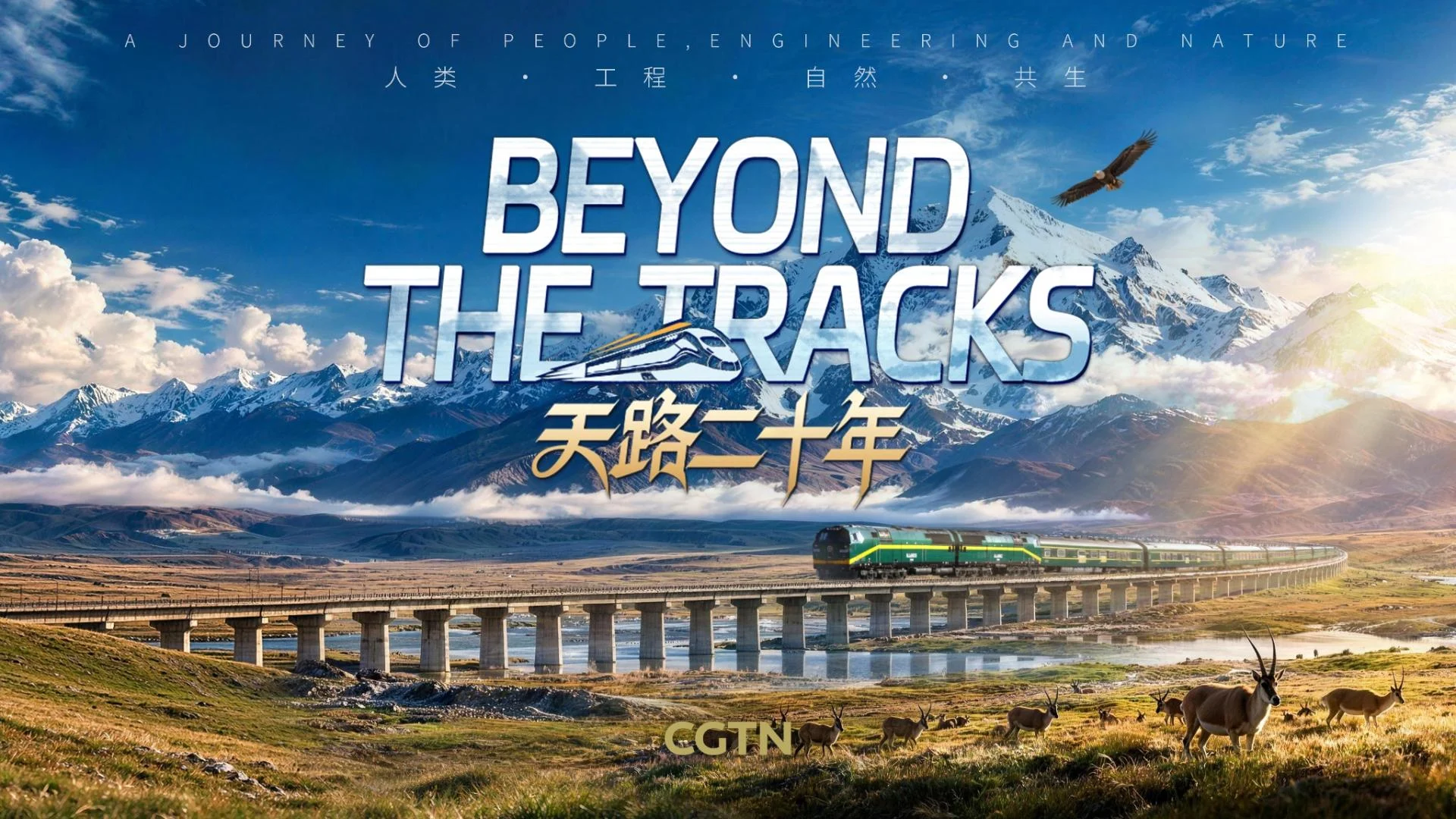
The Qinghai-Xizang Railway: Engineering a Path Through Nature’s Extremes
The Qinghai-Xizang Railway, often called the “Tibet Railway,” is a testament to human ingenuity, carving a path across one of the planet’s most challenging terrains. For over two decades, this engineering marvel has connected the high-altitude plateau of Tibet to the rest of China, traversing frozen landscapes and delicate ecosystems. But the story of the Qinghai-Xizang Railway extends beyond its steel tracks; it is a narrative of balancing ambitious infrastructure development with the preservation of nature and the livelihoods of the people who call this region home. This analysis explores the railway’s construction, its environmental impact, its role in regional development, and the ongoing efforts to ensure its coexistence with the unique wildlife and landscapes of the plateau.
Building the Impossible: Overcoming the Plateau’s Challenges
The construction of the Qinghai-Xizang Railway was an undertaking of unprecedented scale and complexity. Beginning in 2001 and completed in 2006, the railway stretches over 1,956 kilometers (1,215 miles) from Xining in Qinghai Province to Lhasa in the Tibet Autonomous Region. The primary challenge lay in the extreme environment of the Qinghai-Xizang Plateau, also known as the Tibetan Plateau. This vast, high-altitude region is characterized by thin air, extreme temperature fluctuations, and, most significantly, permafrost – ground that remains frozen for at least two consecutive years.
The Permafrost Puzzle
Building on permafrost presents unique engineering hurdles. The ground can be unstable, shifting and thawing with changes in temperature. If the heat from the railway infrastructure, such as the tracks and the trains themselves, were to melt the permafrost, it could lead to subsidence and structural failure. To combat this, engineers employed innovative techniques. One key method involved the use of active cooling systems, including thermosyphons. These devices are essentially passive refrigeration units that transfer heat away from the ground during the cold winter months, helping to keep the permafrost frozen.
Another strategy was the use of gravel beds. A thick layer of gravel was laid beneath the tracks. This porous material allows cold air to circulate freely, acting as a natural insulator and preventing heat from the railway from penetrating deep into the permafrost. Additionally, specialized concrete and steel structures were designed to withstand the extreme conditions and temperature variations. The railway also features elevated sections, built on stilts, allowing air to flow underneath and further mitigating the impact on the permafrost. These elevated sections also help to minimize the railway’s footprint on the land, allowing wildlife to pass underneath.
Altitude and Air Quality
The sheer altitude of the plateau, averaging over 4,000 meters (13,000 feet) above sea level, posed significant challenges for the construction crews. The thin air meant that workers experienced altitude sickness, reduced physical capacity, and increased risks. Special medical facilities and acclimatization protocols were put in place to support the health and safety of the thousands of workers involved. The remote location also meant that transporting materials and equipment was a logistical feat in itself, requiring extensive planning and coordination.
The construction process involved the use of advanced technology and materials. Prefabricated components were often used to speed up construction and ensure quality control in the harsh environment. The project required a deep understanding of geology, hydrology, and environmental science to anticipate and mitigate potential problems. The success of the Qinghai-Xizang Railway stands as a testament to the dedication and problem-solving capabilities of the engineers and workers involved.
Environmental Considerations: Coexisting with Nature
The construction and operation of the Qinghai-Xizang Railway have raised important questions about its environmental impact on the fragile plateau ecosystem. The region is home to a diverse range of wildlife, including Tibetan antelopes, wild yaks, and Tibetan foxes, as well as unique plant life adapted to the harsh conditions. Ensuring that the railway did not disrupt these natural systems was a critical aspect of the project.
Wildlife Crossings and Habitat Preservation
From the outset, environmental protection was a stated goal. Engineers incorporated numerous wildlife crossings, including bridges and underpasses, to allow animals to move freely across their natural migration routes. These structures were strategically placed in areas identified as important corridors for wildlife movement. The elevated sections of the railway also serve this purpose, providing unimpeded passage for animals beneath the tracks.
Monitoring programs were established to track the impact of the railway on wildlife populations and their behavior. These programs help to identify any unforeseen consequences and allow for adaptive management strategies to be implemented. For instance, if certain areas are found to be particularly sensitive, measures can be taken to reduce human activity or modify operational procedures. The goal is to minimize the railway’s barrier effect and ensure that animal populations can continue to thrive.
Water Resources and Ecosystem Integrity
The plateau’s water resources are also a concern. The railway crosses numerous rivers and lakes, and construction activities could potentially affect water quality and flow. Strict environmental regulations were put in place to manage water usage during construction and to prevent pollution. Wastewater treatment facilities were installed, and measures were taken to protect sensitive aquatic environments.
The permafrost itself is a crucial component of the plateau’s ecosystem, influencing hydrology and vegetation. The engineering solutions employed to stabilize the permafrost were designed to minimize thawing and its associated impacts, such as land subsidence and changes in water drainage patterns. Ongoing research continues to monitor the thermal state of the permafrost along the railway line to ensure the long-term stability of the infrastructure and the surrounding environment.
Economic and Social Development: Opening New Opportunities
Beyond its engineering and environmental aspects, the Qinghai-Xizang Railway has had a profound impact on the economic and social development of the Tibet Autonomous Region. Before the railway, transportation to and from Tibet was primarily by air or road, which were often slow, expensive, and subject to weather disruptions. The railway has revolutionized connectivity, bringing significant benefits to the region.
Tourism and Trade
The railway has opened up Tibet to a much larger number of tourists, both domestic and international. This has led to a boom in the tourism industry, creating jobs and generating revenue for local communities. Visitors can now access Lhasa and other parts of Tibet more easily and comfortably, experiencing its unique culture, landscapes, and historical sites. The increased accessibility has also facilitated trade, allowing for the more efficient transport of goods into and out of Tibet. This includes essential supplies, manufactured goods, and agricultural products.
The railway has also made it easier to export local products from Tibet, such as traditional handicrafts, agricultural produce, and mineral resources, to markets across China and beyond. This has provided new economic opportunities for local businesses and artisans, contributing to poverty reduction and improved living standards. The efficient movement of goods is crucial for the economic integration of Tibet into the broader Chinese economy.
Cultural Exchange and Regional Integration
The increased flow of people has also fostered greater cultural exchange between Tibet and other parts of China. This has led to a better understanding and appreciation of Tibetan culture among visitors and has also provided Tibetans with greater exposure to different perspectives and ways of life. The railway plays a role in strengthening national unity and promoting social cohesion.
For the residents of Tibet, the railway has improved access to education, healthcare, and other essential services. People can now travel more easily to cities for specialized medical treatment or educational opportunities. The railway has also made it easier for families to stay connected, reducing the isolation that many communities experienced previously. This improved connectivity has been a significant factor in the region’s modernization and development.
Ongoing Challenges and Future Perspectives
Despite its successes, the Qinghai-Xizang Railway continues to face challenges and presents opportunities for future development. The long-term sustainability of the railway in the face of climate change and the ongoing need to balance development with environmental protection remain key concerns.
Climate Change and Permafrost Thaw
Climate change poses a significant threat to the permafrost regions of the world, and the Tibetan Plateau is no exception. Rising global temperatures could accelerate permafrost thaw, potentially compromising the stability of the railway’s foundation. Continuous monitoring of the permafrost’s thermal state is essential, and engineers may need to adapt and upgrade cooling systems or other protective measures over time. Research into the long-term effects of climate change on the plateau’s permafrost is crucial for informing future maintenance and development strategies.
Balancing Development and Conservation
The economic benefits brought by the railway have led to increased human activity and development in previously remote areas. While this brings opportunities, it also necessitates careful planning to prevent overdevelopment and ensure that the region’s unique natural and cultural heritage is preserved. Sustainable tourism practices, responsible resource management, and continued efforts to protect wildlife habitats are vital. The challenge lies in harnessing the economic potential of the railway without compromising the ecological integrity and cultural distinctiveness of the Tibetan Plateau.
Technological Advancements and Expansion
As technology advances, there may be opportunities to further improve the efficiency and environmental performance of the Qinghai-Xizang Railway. Innovations in materials science, energy efficiency, and monitoring systems could be applied to enhance the railway’s resilience and sustainability. There are also ongoing discussions and plans for potential extensions or connections to other regions, which would require careful consideration of similar environmental and social factors. The railway’s success story provides valuable lessons for future infrastructure projects in challenging environments worldwide.
The Qinghai-Xizang Railway is more than just a transportation link; it is a symbol of human ambition, a case study in environmental engineering, and a driver of socio-economic change. Its continued operation and development will depend on a sustained commitment to innovation, environmental stewardship, and the well-being of the people and ecosystems it serves. The railway’s journey across the roof of the world is a continuous process of adaptation and learning, ensuring that progress does not come at the expense of nature’s delicate balance.
Conclusion
The Qinghai-Xizang Railway stands as a monumental achievement in modern engineering, a project that dared to conquer one of the Earth’s most formidable landscapes. For over two decades, it has not only connected distant regions but has also served as a living laboratory for innovative solutions to the challenges posed by extreme environments, particularly permafrost. The railway’s construction and operation highlight a deliberate effort to coexist with the plateau’s unique wildlife and delicate ecosystems, employing advanced techniques to minimize environmental impact and preserve natural habitats through features like wildlife crossings and elevated track sections.
Economically and socially, the railway has been a transformative force, unlocking new avenues for tourism, trade, and cultural exchange, thereby improving livelihoods and fostering regional integration. While challenges persist, particularly concerning the long-term effects of climate change on permafrost and the ongoing need to balance development with conservation, the Qinghai-Xizang Railway offers invaluable lessons. It demonstrates that ambitious infrastructure projects can be realized in harmony with nature, paving the way for a future where human progress and environmental sustainability go hand in hand. The ongoing story of the railway is one of continuous adaptation, technological advancement, and a deep respect for the natural rhythms of the plateau, ensuring its legacy as a symbol of both human achievement and ecological responsibility.



Conversation
0 Comments