

The Growing Privacy Concerns Surrounding Smart Glasses
Smart glasses, once a futuristic concept, are rapidly becoming a reality. With integrated cameras and advanced technology, these wearable devices promise convenience and new ways to interact with the world. However, this technological leap forward has also brought significant privacy concerns to the forefront. As more companies develop and release smart glasses, the potential for misuse and invasion of privacy is a growing worry for individuals and lawmakers alike. This analysis will explore the evolving landscape of smart glasses, focusing on the privacy issues they present and the steps being taken to address them.
Understanding Smart Glasses and Their Capabilities
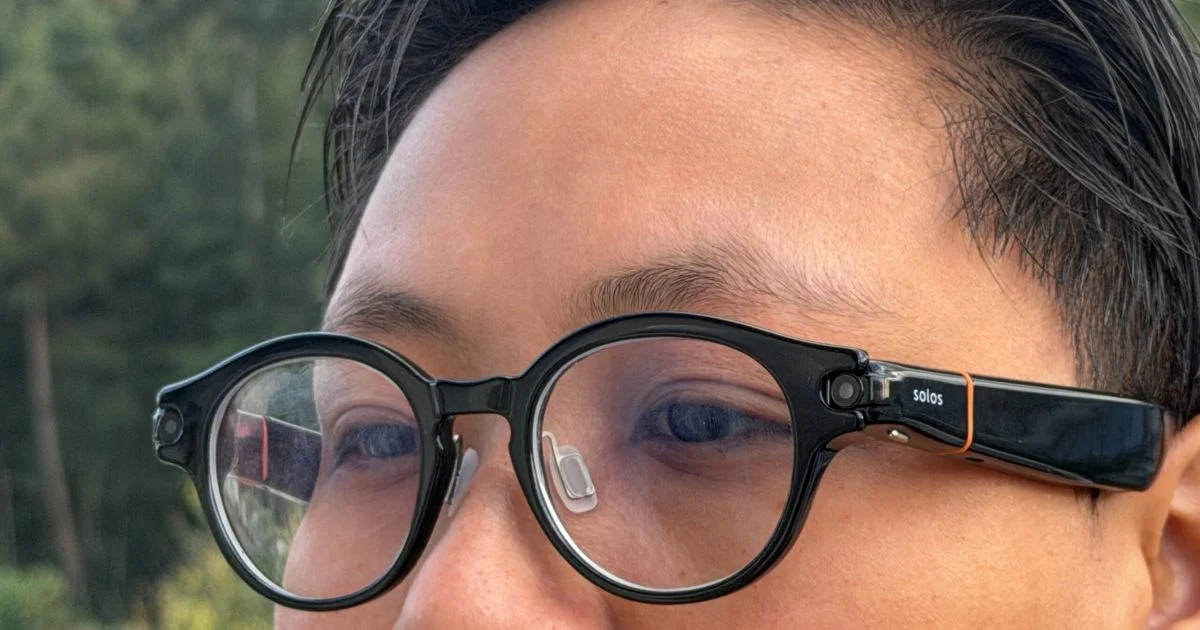
Smart glasses are essentially wearable computers that resemble traditional eyewear. They are equipped with a range of features, including cameras, microphones, displays, and connectivity options. These capabilities allow them to perform various functions, such as capturing photos and videos, recording audio, displaying information directly in the wearer’s field of vision, and even facilitating augmented reality experiences. Companies like Meta, with their Ray-Ban Stories smart glasses, have brought these devices into the mainstream, offering consumers a blend of fashion and technology.
The appeal of smart glasses lies in their potential to offer hands-free operation and seamless integration into daily life. Imagine being able to take a photo or video with a simple voice command, or receiving navigation directions without needing to look down at a phone. These devices can also be used for professional applications, such as providing real-time data to field technicians or enabling remote assistance for complex tasks. The technology is advancing rapidly, with each new iteration offering more sophisticated features and improved user experiences.
However, the very features that make smart glasses so appealing also raise serious privacy questions. The integrated cameras, in particular, are a major point of concern. The ability to record video and take photos at any moment, often without the explicit knowledge or consent of those around the wearer, creates a significant risk of privacy invasion. This is especially true in public spaces where individuals have a reasonable expectation of privacy.
The Privacy Dilemma: Recording Without Consent
One of the most significant privacy issues associated with smart glasses is the potential for users to record others without their knowledge or consent. While many smart glasses feature a visible indicator light when recording, this is not always foolproof. The light can be small, easily overlooked, or even deliberately obscured. This raises the specter of individuals being secretly filmed in private moments, with the footage potentially being shared online or used for other purposes without their permission.
Reports have emerged detailing instances where smart glasses have been used to film individuals in sensitive situations. For example, news outlets have reported on men using smart glasses to secretly film women while soliciting sexual services, with the resulting videos later appearing on social media platforms. These incidents highlight the disturbing potential for smart glasses to be used for harassment and exploitation. The senators’ letter to Meta specifically cited such cases, emphasizing the vulnerability of women, children, and other groups to privacy violations.
Beyond overt misuse, there are also concerns about how the data captured by smart glasses is handled. The research indicates that Meta’s own assessments identified risks to vulnerable populations before the glasses were even released. This suggests that the company was aware of the potential for privacy breaches but proceeded with the product launch. The practice of using recorded footage for AI training, as mentioned in the senators’ letter, further complicates matters, as it involves exposing intimate moments of unsuspecting individuals to strangers for data processing.
Legal and Ethical Challenges
The rapid development of smart glasses technology has outpaced existing legal frameworks designed to protect privacy. Many privacy laws were written before the advent of wearable cameras and sophisticated data collection capabilities. This leaves a legal gray area, making it difficult to hold individuals or companies accountable for privacy violations.
Lawmakers and regulatory bodies are beginning to grapple with these challenges. In some regions, restrictions on AI glasses in public spaces are being considered or implemented. For instance, Norway is preparing to introduce limitations, and Oslo has already banned them in schools. Courts in various jurisdictions have also begun imposing restrictions on their use. Australia is contemplating a ban in government workplaces, indicating a broader governmental concern.
The legislative response has not been uniform. In California, a bill aimed at penalizing secret recording in private spaces was vetoed by the governor due to its broad definition of wearable devices, illustrating the difficulty in crafting effective legislation that balances privacy with technological innovation. This highlights the need for carefully considered laws that specifically address the unique privacy risks posed by smart glasses.
Ethically, the question of consent is paramount. While a visible recording light is a step towards transparency, it does not fully address the issue of consent. Many argue that explicit consent should be required before recording anyone, especially in private settings. The idea of “exposing unsuspecting individuals’ intimate moments to strangers for AI training,” as described by the senators, is ethically problematic and raises questions about the responsible use of technology.
Safeguards and Their Limitations
In response to growing privacy concerns, manufacturers of smart glasses have begun implementing safeguards. Meta, for instance, has introduced measures such as disabling recording when the camera’s warning light is obstructed. This is a welcome improvement, aiming to increase transparency and reduce the likelihood of covert recording.
However, the effectiveness of these safeguards is debatable. A small blinking light, while informative, may not be sufficient to protect individuals once their private footage has already been captured. The risk of footage being shared without consent, or used for purposes beyond the wearer’s immediate intent, remains a significant concern. The senators’ assertion that Meta’s commitment to preventing intimate-image abuse “rings hollow” without more robust safeguards underscores this point.
Furthermore, the issue of data security and access is critical. Questions about who can access recordings, how they are stored, and how they are used for AI training are central to the privacy debate. The research points to reports of overseas contractors reviewing intimate footage, which raises further red flags about data handling and potential breaches. The ability for individuals to request the deletion of their data is also a key component of privacy protection that needs to be clearly addressed.
The Future of Smart Glasses and Privacy
The future of smart glasses hinges on the ability of manufacturers, lawmakers, and society to find a balance between technological advancement and the fundamental right to privacy. As the technology becomes more sophisticated and integrated into our lives, the need for clear guidelines and strong protections will only increase.
Companies developing smart glasses must prioritize privacy by design, embedding privacy considerations into the earliest stages of product development. This includes implementing more effective consent mechanisms, ensuring robust data security, and being transparent about how data is collected and used. The development of hardware kill switches, as suggested in some reports, could offer a more definitive way to prevent misuse.
Legislation needs to adapt to the realities of modern technology. This may involve updating existing privacy laws or creating new ones specifically tailored to wearable devices with recording capabilities. International cooperation may also be necessary, given the global nature of technology and data flow.
Ultimately, public awareness and education play a crucial role. Users of smart glasses need to be informed about the privacy implications of their devices and encouraged to use them responsibly. Similarly, the public needs to be aware of their rights and the potential risks associated with smart glasses.
The conversation around smart glasses and privacy is ongoing and complex. While the technology offers exciting possibilities, it is imperative that we address the privacy concerns head-on to ensure that these innovations benefit society without compromising individual rights. The stern letters from senators and the growing global unease are clear signals that the time for decisive action is now. The path forward requires a collective effort to build a future where technology and privacy can coexist.



Conversation
0 Comments