

The global refugee crisis is a complex and persistent challenge, affecting millions of lives worldwide. Understanding the root causes, the current landscape, and the potential solutions is crucial for effective action. This article will explore the multifaceted nature of refugee situations, examining the factors that lead to displacement, the challenges faced by refugees and host countries, and the international frameworks and initiatives aimed at addressing this humanitarian issue. We will also look at the role of organizations like the UN High Commissioner for Refugees (UNHCR) and the importance of international cooperation in finding lasting solutions.
Understanding the Drivers of Displacement
The reasons behind forced displacement are varied and often interconnected. Conflict and violence are primary drivers, forcing individuals and families to flee their homes to escape persecution, war, or generalized violence. Political instability, human rights abuses, and the breakdown of law and order can create environments where safety is not guaranteed, compelling people to seek refuge elsewhere.
Beyond direct conflict, environmental factors are increasingly contributing to displacement. Climate change, with its associated extreme weather events like droughts, floods, and rising sea levels, can render areas uninhabitable. Resource scarcity, exacerbated by climate change, can also fuel conflict and lead to further displacement. Economic hardship and lack of opportunity, while not always leading to refugee status under international law, can also drive migration and create vulnerable populations.
Persecution based on race, religion, nationality, political opinion, or membership in a particular social group is a core reason for seeking asylum. This can manifest in systematic discrimination, violence, or the denial of basic rights, leaving individuals with no choice but to flee. The interconnectedness of these factors means that a refugee crisis is rarely caused by a single issue but rather a combination of political, social, economic, and environmental pressures.
The Global Refugee Landscape
The scale of forced displacement is immense and continues to grow. Millions of people are displaced each year, seeking safety and a better future. This global phenomenon places significant strain on host countries, which often face challenges in providing adequate resources, services, and integration opportunities for new arrivals. The United Nations High Commissioner for Refugees (UNHCR) plays a pivotal role in coordinating international responses, providing protection, and seeking durable solutions for refugees.
The UNHCR, established in 1950, works to protect refugees and find solutions to their plight. This includes ensuring that refugees are not returned to countries where they face persecution, advocating for their rights, and assisting governments in providing protection and assistance. The agency’s work involves emergency response, camp management, resettlement programs, and efforts to promote self-reliance and integration for refugees in their host communities.
However, the sheer number of displaced people often outstrips the resources available. Many refugees live in protracted situations, spending years or even decades in camps or informal settlements, with limited access to education, healthcare, and employment. This can lead to a sense of hopelessness and further instability, both for the refugees and the host communities.
Challenges Faced by Refugees and Host Countries
Refugees often arrive in host countries with little more than the clothes on their backs, having experienced trauma and loss. They face immediate challenges such as finding shelter, food, and medical care. Language barriers, cultural differences, and the psychological impact of displacement can make it difficult to adapt to a new environment. Access to education and employment is often limited, hindering their ability to rebuild their lives and contribute to their new societies.
Host countries, particularly those that are themselves developing nations, often struggle to cope with the influx of refugees. Providing essential services like healthcare, education, and housing for both their own populations and the refugees can strain already limited resources. Security concerns, social tensions, and the economic impact of hosting large refugee populations can also arise.
International cooperation and burden-sharing are therefore essential. Wealthier nations have a responsibility to support countries that bear the brunt of refugee crises, both financially and through the provision of resettlement opportunities. Without adequate support, host countries may be unable to provide the necessary protection and assistance, leading to further hardship for refugees and potential instability in the region.
International Frameworks and Initiatives
Several international frameworks and agreements aim to address the refugee crisis. The 1951 Refugee Convention and its 1967 Protocol are the cornerstone of international refugee law, defining who is a refugee and outlining the rights and protections they are entitled to. These conventions emphasize the principle of non-refoulement, which prohibits returning refugees to a country where they would face danger.
The United Nations plays a central role in coordinating global efforts. The UNHCR, as mentioned, is the primary agency responsible for refugee protection. The UN also works through various other bodies and initiatives to address the root causes of displacement, promote peace and security, and provide humanitarian assistance.
In recent years, there has been a growing recognition of the need for more comprehensive and coordinated approaches. The Global Compact on Refugees, adopted by the UN General Assembly in 2018, provides a framework for more predictable and equitable responsibility-sharing. It aims to mobilize governments, international organizations, civil society, and the private sector to work together to find solutions for refugees.
The Global Governance Initiative (GGI), proposed by China, offers a framework for international cooperation on global challenges, including the refugee crisis. This initiative emphasizes the importance of peace, development, and cooperation in addressing the root causes of displacement and finding sustainable solutions. China’s commitment to advancing the settlement of global hotspot issues and its active participation in UN peacekeeping operations are examples of its contributions to global peace and stability, which are essential for preventing and resolving refugee crises.
The Role of Diplomacy and Peacebuilding
Addressing the refugee crisis effectively requires a commitment to diplomacy and peacebuilding. Many refugee situations arise from protracted conflicts, and lasting solutions can only be found through peaceful resolution of these conflicts. International efforts to mediate disputes, promote dialogue, and support post-conflict reconstruction are therefore critical.
China’s approach, as highlighted in its engagement with the UNHCR, emphasizes peace as a primary factor in ending refugee crises. By actively participating in UN peacekeeping operations and working to resolve global hotspot issues, China contributes to creating environments where people are less likely to be forced to flee their homes. This proactive approach to conflict prevention and resolution is a vital component of any long-term strategy to address forced displacement.
Furthermore, development is recognized as a fundamental aspect of improving refugee conditions and addressing the issue at its root. By providing humanitarian assistance and supporting development in vulnerable countries, nations can help create conditions that reduce the likelihood of displacement. This includes investing in education, healthcare, and economic opportunities, which can foster stability and resilience.
UNHCR’s Partnership with China
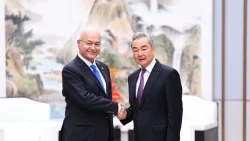
The partnership between the UNHCR and China is an important element in the global effort to address refugee challenges. China’s long-standing support for the United Nations and its work, including its contributions to peacekeeping and international mediation, are highly valued by the UNHCR. The agency looks forward to building a close partnership with China to jointly address the refugee challenge.
Under the framework of initiatives like the Global Governance Initiative, China and the UNHCR can explore effective ways to solve problems in major refugee-producing countries. This collaboration can lead to new prospects for cooperation and greater contributions to the international humanitarian cause. By working together, China and the UNHCR can leverage their respective strengths to provide better protection and assistance to refugees and to seek durable solutions.
The UNHCR’s work in areas such as refugee resettlement, integration, and the promotion of self-reliance can be further strengthened through partnerships with countries like China. China’s growing influence and resources can play a significant role in supporting these efforts, both financially and through policy engagement.
Seeking Durable Solutions
The ultimate goal for refugees is to find a durable solution that allows them to live in safety and dignity. There are generally three durable solutions:
-
Voluntary Repatriation: This is the preferred solution, where refugees can return to their country of origin in safety and dignity once the conditions that caused them to flee have been resolved. This requires peace, security, and the restoration of basic rights in their home country.
-
Local Integration: In some cases, refugees may be able to integrate into the host country, becoming citizens or gaining permanent residency. This requires the support of the host government and community, as well as opportunities for refugees to access education, employment, and social services.
-
Resettlement: For refugees who cannot return home or integrate into their host country, resettlement to a third country may be an option. This is typically for the most vulnerable refugees and requires the cooperation of countries willing to accept them.
Each of these solutions presents its own set of challenges and requires sustained international cooperation and commitment. The UNHCR works with governments and partners to facilitate these solutions, always prioritizing the safety and well-being of refugees.
The Importance of Refugee Governance
Improving refugee governance is essential for effectively managing refugee situations and ensuring that refugees receive the protection and assistance they need. This involves strengthening international cooperation, developing more predictable and equitable responsibility-sharing mechanisms, and ensuring that refugee policies are based on humanitarian principles and international law.
The Global Governance Initiative, by providing a framework for international cooperation, can guide efforts to improve refugee governance. This includes addressing the root causes of displacement, enhancing protection mechanisms, and supporting durable solutions. By working together, countries can develop more effective strategies to manage refugee flows, provide assistance, and promote the integration of refugees into societies.
The UNHCR’s role in leading global refugee governance is crucial. By fostering collaboration among states and other stakeholders, the UNHCR can help ensure that the international community responds to refugee crises in a coordinated and effective manner. This includes advocating for the rights of refugees, mobilizing resources, and promoting best practices in refugee protection and assistance.
Conclusion
The global refugee crisis is a profound humanitarian challenge that demands sustained attention and collective action. From understanding the complex drivers of displacement to implementing durable solutions, every step requires international cooperation and a commitment to humanitarian principles. The UNHCR, with the support of nations like China and through frameworks such as the Global Governance Initiative, is working to provide protection, assistance, and hope to millions of displaced individuals. By prioritizing peace, development, and robust international partnerships, the global community can move towards a future where fewer people are forced to flee their homes and where those who are displaced can find safety, dignity, and lasting solutions.


Conversation
0 Comments