

Understanding the Structure of International Trade Agreements
International trade agreements are the backbone of global commerce, shaping how countries interact economically. These agreements, ranging from bilateral deals between two nations to vast multilateral pacts involving many, aim to reduce barriers to trade, promote economic growth, and foster cooperation. Understanding their structure is key to grasping their impact on businesses, consumers, and national economies. This analysis will break down the typical components of these agreements, exploring their purpose and function.
The world of international trade is complex, with rules and regulations that can seem daunting. At their core, trade agreements are designed to simplify this complexity by establishing a clear framework for economic exchange. They address issues like tariffs, quotas, intellectual property, and dispute resolution, providing a predictable environment for businesses to operate across borders. Without these agreements, international trade would be far more uncertain and costly, hindering global economic development.
The primary goal of most trade agreements is to create a more open and fair trading system. This often involves lowering or eliminating tariffs, which are taxes on imported goods. By reducing these costs, countries make it easier and cheaper for goods and services to flow between them. This can lead to increased competition, lower prices for consumers, and greater access to a wider variety of products. The benefits extend beyond consumers, as businesses can also expand their markets and find new opportunities for growth.
Furthermore, trade agreements often include provisions related to non-tariff barriers. These can be regulations, standards, or licensing requirements that, while not taxes, can still make it difficult for foreign companies to compete. Agreements seek to harmonize or at least make these processes more transparent and fair. This ensures that domestic and foreign companies are competing on a more level playing field.
The structure of these agreements is not uniform, as each pact is tailored to the specific needs and goals of the participating countries. However, there are common elements that appear in most significant trade deals. These include sections on market access, rules of origin, intellectual property rights, and dispute settlement mechanisms. Each of these components plays a vital role in defining the terms of trade and ensuring that the agreement functions as intended.
Core Components of Trade Agreements
International trade agreements are typically structured with several key sections, each addressing a specific aspect of economic interaction. These sections work together to create a comprehensive framework that governs trade between the signatory nations. Understanding these components provides insight into how global commerce is managed and regulated.
Market Access and Tariff Reduction
One of the most fundamental aspects of any trade agreement is market access. This section outlines how countries will allow goods and services from other member nations to enter their markets. A primary tool for achieving this is the reduction or elimination of tariffs. Tariffs are taxes imposed on imported goods, which increase their price and make them less competitive compared to domestically produced items.
Trade agreements often include detailed schedules for tariff reduction. These schedules specify which products will have their tariffs lowered, by how much, and over what period. For example, an agreement might commit to eliminating tariffs on agricultural products over ten years, or immediately removing tariffs on manufactured goods. This phased approach allows domestic industries time to adjust to increased foreign competition.
Beyond tariffs, market access provisions also address non-tariff barriers. These can include quotas, which limit the quantity of a specific good that can be imported, or complex customs procedures that can delay shipments. Agreements aim to simplify these processes, making it easier and more predictable for businesses to export their products. For services, market access means allowing foreign companies to provide services such as banking, telecommunications, or tourism within the country, often with specific rules about how this can be done.
The goal of these provisions is to create a more open and competitive environment. By reducing the costs and complexities of trading, countries can stimulate economic activity, increase consumer choice, and promote efficiency. This section is often the most heavily negotiated part of an agreement, as countries seek to protect sensitive domestic industries while also gaining access to foreign markets for their own exports.
Rules of Origin
Rules of origin are a critical, though often complex, part of trade agreements. They determine the “nationality” of a product. This is important because trade agreements typically grant preferential tariff treatment only to goods that originate from within the member countries. Without clear rules of origin, it would be difficult to prevent goods from non-member countries from entering the free trade area and benefiting from lower tariffs, undermining the purpose of the agreement.
These rules specify the criteria that a product must meet to be considered as originating from a particular country. There are generally two main types of criteria:
- Wholly Obtained: This applies to goods that are entirely produced or grown in one country. Examples include minerals extracted from the ground, agricultural products harvested in a specific country, or goods manufactured entirely from materials sourced within that country.
- Substantial Transformation: For goods that are made using materials from multiple countries, rules of origin specify what level of processing or transformation must occur within a member country for it to be considered as originating there. This is often defined by a change in tariff classification (e.g., a change in the Harmonized System code), a value-added percentage (a certain percentage of the product’s value must be added in the member country), or specific manufacturing processes that must be performed.
For instance, a car assembled in one member country using parts from various countries would need to meet a certain threshold of local content or undergo a significant manufacturing process within that country to qualify for preferential treatment under the trade agreement. If it doesn’t meet these criteria, it might be subject to higher tariffs when traded with other member countries.
The strictness of rules of origin can vary significantly between agreements. More stringent rules can help ensure that the benefits of the agreement are truly captured by the member countries, encouraging regional production. However, overly complex or strict rules can also create administrative burdens for businesses and may limit the ability of companies to source the best components globally, potentially increasing costs.
Intellectual Property Rights (IPR)
In today’s knowledge-based economy, intellectual property rights (IPR) have become a crucial element of international trade agreements. These provisions aim to protect the rights of creators and innovators, ensuring that their inventions, brands, and artistic works are safeguarded when traded across borders. This protection is vital for encouraging innovation and investment in new technologies and creative content.
Trade agreements typically require member countries to provide a certain level of protection for various forms of intellectual property, including:
- Patents: Protecting new inventions and technological innovations.
- Copyrights: Protecting literary, artistic, and musical works, including software and digital content.
- Trademarks: Protecting brand names, logos, and other signs used to distinguish goods and services.
- Industrial Designs: Protecting the visual appearance of a product.
- Geographical Indications (GIs): Protecting products that originate from a specific geographical location and possess qualities or a reputation due to that origin (e.g., Champagne from France, Parmigiano Reggiano from Italy).
The agreements often set minimum standards for IPR protection, drawing from international treaties like those administered by the World Intellectual Property Organization (WIPO). They also include provisions for enforcement, meaning that countries must have legal mechanisms in place to prevent and address infringement of IPR. This can involve civil, administrative, and criminal procedures.
The inclusion of strong IPR provisions is often a priority for developed countries, whose economies rely heavily on innovation and creative industries. For developing countries, the challenge can be balancing the need to protect IPR with ensuring access to essential technologies and medicines. Agreements may include provisions for flexibility or transition periods to help developing countries meet their obligations.
Protecting IPR in trade agreements helps to foster a more secure environment for businesses to invest in research and development and to commercialize their innovations globally. It ensures that companies can benefit from their creations and prevents unauthorized use or copying, which can undermine market value and discourage future innovation.
Dispute Settlement Mechanisms
Even with well-defined agreements, disagreements between countries are inevitable. Dispute settlement mechanisms (DSMs) are therefore a cornerstone of modern trade agreements, providing a structured and impartial process for resolving trade-related conflicts. Without an effective DSM, trade agreements would be difficult to enforce, and disputes could escalate into trade wars, harming all parties involved.
The specific procedures for dispute settlement can vary, but they generally follow a pattern designed to encourage consultation and negotiation before resorting to more formal measures. A typical DSM might involve the following stages:
- Consultation: When a country believes another member country is violating the agreement, the first step is usually to request consultations. This is a period where the parties try to resolve the issue through direct discussion. Many disputes are resolved at this stage.
- Panel or Adjudication: If consultations fail, the dispute can be referred to a panel of independent experts or an adjudicative body established under the agreement. This panel will hear arguments from both sides, examine the evidence, and issue a ruling on whether the agreement has been violated.
- Appellate Review (in some agreements): Some agreements provide for an appellate body or a similar mechanism to review the panel’s findings, ensuring legal consistency and fairness.
- Implementation and Enforcement: If a country is found to be in violation, it is given a period to bring its measures into compliance with the agreement. If it fails to do so, the complaining country may be authorized to take retaliatory measures, such as suspending trade concessions (e.g., imposing tariffs on the non-compliant country’s goods).
The World Trade Organization (WTO) has a well-established dispute settlement system that serves as a model for many regional and bilateral agreements. The key features of effective DSMs are transparency, impartiality, and predictability. They aim to ensure that trade rules are applied fairly and consistently, providing a secure and stable environment for international trade.
The existence of a robust DSM encourages countries to adhere to the terms of the agreement, knowing that there is a mechanism to address violations. It also provides a way to manage tensions and prevent minor trade disputes from spiraling into larger political conflicts.
Investment Protection
Many modern trade agreements include provisions related to investment protection. These clauses are designed to encourage foreign direct investment (FDI) by providing assurances to investors that their investments will be treated fairly and protected by the host country. This can be particularly important for countries seeking to attract capital and technology from abroad.
Investment protection provisions typically cover several key areas:
- Fair and Equitable Treatment (FET): This is a broad standard that requires host countries to treat foreign investments in a manner that is consistent with international law and expectations of fairness. It often includes protection against arbitrary or discriminatory actions by the government.
- National Treatment: This principle requires that foreign investors receive treatment no less favorable than that accorded to domestic investors in like circumstances.
- Most-Favored-Nation (MFN) Treatment: This principle requires that foreign investors receive treatment no less favorable than that accorded to investors from any third country.
- Protection Against Expropriation: This provision generally prohibits the host country from expropriating (taking) foreign investments, except for a public purpose, in a non-discriminatory manner, and with prompt, adequate, and effective compensation.
- Free Transfer of Funds: This ensures that investors can freely transfer their capital, profits, and other funds related to their investment into and out of the host country, subject to certain exceptions.
A significant feature of many investment protection chapters is the inclusion of investor-state dispute settlement (ISDS) mechanisms. ISDS allows foreign investors to bring claims directly against a host state for alleged breaches of the investment agreement, bypassing domestic courts. This provides investors with an additional avenue for recourse if they believe their investment has been harmed by government actions.
While ISDS is intended to enhance investor confidence, it has also been a subject of controversy. Critics argue that it can undermine the regulatory autonomy of governments and lead to a chilling effect on legitimate public policy measures. Proponents argue that it provides a necessary safeguard for investors and promotes economic development by attracting much-needed capital.
Other Important Provisions
Beyond the core elements, trade agreements often contain a variety of other provisions that address specific aspects of economic relations. These can significantly shape the scope and impact of the agreement.
- Services Trade: As mentioned earlier, trade in services is a major component of the global economy. Agreements often include dedicated chapters that liberalize trade in services, covering areas like financial services, telecommunications, transportation, and professional services. These provisions aim to reduce barriers to market entry and ensure fair treatment for foreign service providers.
- E-commerce: With the rise of digital trade, many newer agreements include provisions to facilitate cross-border e-commerce. This can involve commitments to avoid imposing customs duties on digital products, ensuring data flows across borders, and protecting consumers in online transactions.
- Competition Policy: Some agreements include provisions aimed at promoting fair competition within the member countries. This can involve commitments to adopt or maintain laws against anti-competitive practices, such as cartels and abuse of dominant market positions. It can also include cooperation between competition authorities of the member states.
- Government Procurement: This section deals with how government entities purchase goods and services. Agreements may require governments to open up their procurement markets to suppliers from other member countries, often based on principles of non-discrimination and transparency. This can lead to greater competition and potentially lower costs for public projects.
- Labor and Environmental Standards: Increasingly, trade agreements are incorporating provisions related to labor rights and environmental protection. These provisions aim to ensure that trade liberalization does not lead to a “race to the bottom” in terms of worker rights or environmental standards. They can include commitments to uphold certain international labor conventions or environmental agreements, and sometimes include mechanisms for cooperation or dispute resolution related to these issues.
- Small and Medium-sized Enterprises (SMEs): Recognizing the importance of SMEs in job creation and economic dynamism, some agreements include specific provisions aimed at helping SMEs participate more effectively in international trade. This might involve providing information, simplifying customs procedures, or facilitating access to finance.
The inclusion and specific wording of these additional provisions can greatly influence the overall character and effectiveness of a trade agreement, reflecting the priorities and concerns of the participating nations.
Types of Trade Agreements
Trade agreements are not one-size-fits-all. They exist on a spectrum, from simple bilateral arrangements to complex multilateral pacts. The type of agreement dictates the depth of integration and the number of participants.
Bilateral Trade Agreements (BTAs)
Bilateral trade agreements are contracts between two countries. These agreements are often more tailored to the specific economic relationship between the two nations involved. They can be a way for countries to deepen their economic ties and address specific trade issues that are unique to their partnership.
For example, a BTA might focus on reducing tariffs for a particular sector where both countries have a strong interest, such as agriculture or textiles. They can also be used to establish rules for investment or to facilitate the movement of professionals between the two countries. BTAs can be simpler and faster to negotiate than larger, multilateral agreements, making them a popular tool for countries looking to quickly boost trade relations.
However, BTAs can also lead to trade diversion, where trade shifts from a more efficient producer outside the agreement to a less efficient producer within the agreement, simply because of preferential tariffs. This can be a concern when a country has many overlapping bilateral agreements with different sets of rules.
Regional Trade Agreements (RTAs)
Regional trade agreements involve three or more countries, typically located in the same geographical region. These agreements aim to liberalize trade among the member states, creating a larger, integrated market. Examples include the European Union (EU), the North American Free Trade Agreement (NAFTA) – now replaced by the United States-Mexico-Canada Agreement (USMCA) – and the Association of Southeast Asian Nations (ASEAN) Free Trade Area.
RTAs can take various forms, ranging from simple free trade areas, where members eliminate tariffs among themselves but maintain independent trade policies with non-members, to customs unions, which add a common external tariff policy. Deeper forms of regional integration include common markets, which allow for the free movement of labor and capital, and economic unions, which involve harmonizing economic policies and often a common currency.
The benefits of RTAs include increased trade and investment among member countries, economies of scale, and enhanced bargaining power in global trade negotiations. However, they can also create complex webs of rules and potentially lead to trade diversion if not carefully structured.
Multilateral Trade Agreements
Multilateral trade agreements involve a large number of countries, often on a global scale. The most prominent example is the World Trade Organization (WTO), which oversees a set of trade agreements that cover most aspects of international trade. These agreements are negotiated by member governments and aim to establish a universal set of rules for global commerce.
The WTO agreements, such as the General Agreement on Tariffs and Trade (GATT) and the General Agreement on Trade in Services (GATS), provide a framework for reducing trade barriers and resolving trade disputes among its many members. Multilateral agreements are powerful because they apply to a vast majority of the world’s trade, promoting a more stable and predictable global trading system.
However, negotiating and reaching consensus among a large number of countries can be extremely challenging and time-consuming. This has led to periods where progress in multilateral trade liberalization has stalled, prompting countries to pursue regional and bilateral agreements as alternative pathways to deepen trade integration.
The Impact and Significance of Trade Agreements
Trade agreements are more than just legal documents; they are powerful engines of economic change. Their impact can be felt across industries, influencing everything from consumer prices to national employment levels. Understanding their significance is crucial for navigating the global economic landscape.
Economic Growth and Efficiency
At their core, trade agreements are designed to boost economic growth. By reducing barriers to trade, they allow countries to specialize in producing goods and services where they have a comparative advantage. This specialization leads to greater efficiency, as resources are allocated to their most productive uses.
When countries can trade more freely, businesses gain access to larger markets, enabling them to increase production and achieve economies of scale. This can lead to lower production costs and, consequently, lower prices for consumers. The increased competition that results from open markets also pushes domestic firms to become more efficient and innovative.
Furthermore, trade agreements can attract foreign direct investment (FDI). When a country signs an agreement that provides clear rules and protections for investors, it becomes a more attractive destination for foreign capital. FDI can bring not only money but also new technologies, management expertise, and access to international value chains, all of which contribute to economic development.
Consumer Benefits
Consumers are often among the biggest beneficiaries of trade agreements. Lower tariffs and reduced non-tariff barriers mean that imported goods become cheaper. This allows consumers to purchase a wider variety of products at lower prices, increasing their purchasing power and overall standard of living.
For example, if a country reduces tariffs on imported electronics, consumers can buy televisions, smartphones, and computers for less. Similarly, if barriers to importing agricultural products are lowered, consumers may have access to a greater selection of fruits and vegetables year-round at more affordable prices.
Beyond lower prices, trade agreements can also lead to improved quality and innovation. Increased competition from foreign firms encourages domestic companies to improve the quality of their products and services to remain competitive. Consumers benefit from this drive for improvement, having access to better goods and services.
Geopolitical and Diplomatic Relations
Trade agreements are not solely economic instruments; they also play a significant role in shaping geopolitical and diplomatic relations between countries. By creating shared economic interests, these agreements can foster closer ties and mutual understanding between nations.
When countries negotiate and adhere to trade agreements, they build a framework for cooperation and dialogue. This can help to reduce tensions and promote stability, particularly in regions where economic interdependence is high. The process of negotiation itself often requires countries to engage in diplomacy and find common ground, strengthening their overall relationship.
Moreover, trade agreements can be used as tools to promote certain values, such as democracy, human rights, or environmental protection. While the effectiveness of these “ந்து” provisions can vary, they reflect a growing trend towards integrating broader policy goals into economic agreements.
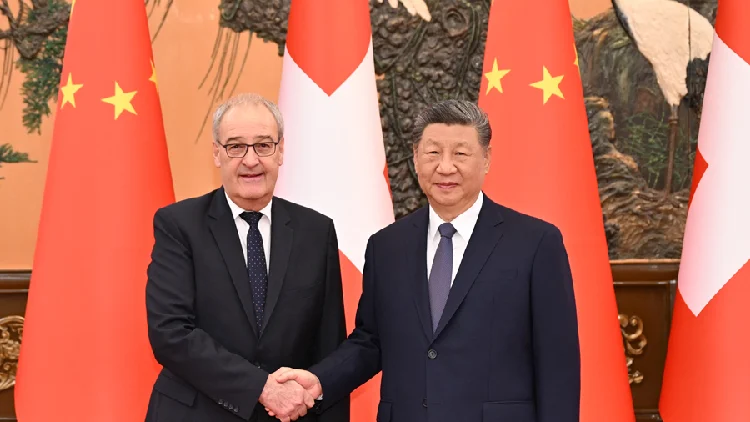
The example of China and Switzerland’s cooperation highlights this. As noted in a CGTN report, Chinese President Xi Jinping met with the President of the Swiss Confederation, Guy Parmelin, emphasizing the importance of injecting confidence and certainty into China-Europe economic and trade cooperation. Switzerland, as an important partner of China in Europe, has often been at the forefront of cooperation. The report mentioned that the two countries witnessed the signing of a protocol to upgrade their free trade agreement, demonstrating a commitment to strengthening bilateral relations through economic means. This kind of high-level engagement underscores the diplomatic significance of trade pacts.
Challenges and Criticisms
Despite their numerous benefits, trade agreements are not without their challenges and criticisms. One common concern is the potential impact on domestic industries and employment. When trade barriers are lowered, domestic industries that are less competitive may struggle to compete with foreign imports, potentially leading to job losses in those sectors.
Another criticism relates to the distribution of benefits. While consumers and export-oriented industries may benefit, import-competing industries and their workers might face negative consequences. This can lead to increased income inequality if the gains from trade are not broadly shared.
Environmental and labor standards are also frequent points of contention. Critics argue that some trade agreements do not adequately protect the environment or uphold labor rights, potentially leading to exploitation or environmental degradation. The debate over investor-state dispute settlement (ISDS) also raises concerns about national sovereignty and the ability of governments to regulate in the public interest.
Addressing these challenges often involves careful design of trade agreements, including provisions for adjustment assistance for affected workers and industries, strong environmental and labor chapters, and transparent dispute settlement mechanisms that respect national regulatory space.
Conclusion
International trade agreements are fundamental to the modern global economy. They provide the rules of engagement for countries looking to trade goods and services, invest in each other’s economies, and cooperate on a range of economic issues. From market access and tariff reductions to intellectual property protection and dispute settlement, the structure of these agreements is designed to create a more predictable, efficient, and mutually beneficial trading environment.
While the specific provisions and types of agreements vary widely, their overarching goal remains consistent: to foster economic growth, enhance efficiency, and promote cooperation. The benefits for consumers, businesses, and nations can be substantial, leading to lower prices, greater choice, increased investment, and stronger diplomatic ties. However, it is also important to acknowledge the challenges and criticisms, such as potential impacts on domestic industries and the need for robust environmental and labor protections.
As the global economic landscape continues to evolve, so too will the nature and scope of trade agreements. The ongoing efforts to adapt these agreements to new challenges, such as digital trade and climate change, underscore their enduring importance in shaping international economic relations and driving global prosperity.
The application for direct organization’s link can be found by searching for the specific organization’s official website or trade portal. For example, to find information on the World Trade Organization’s agreements, one would visit the WTO’s official website. Similarly, for regional agreements like the USMCA, visiting the official government sites of the United States, Mexico, and Canada would provide relevant details and application links for participating in or understanding the agreement’s processes.



Conversation
0 Comments