

The landscape of international relations is constantly shifting, with nations seeking to build and maintain strong diplomatic ties. These relationships are often cemented through high-level visits, where leaders can discuss pressing global issues, foster economic cooperation, and strengthen cultural understanding. Such exchanges are not merely ceremonial; they are vital opportunities to navigate complex geopolitical challenges and chart a course for mutual benefit.
One significant aspect of these diplomatic efforts involves the formal engagement between heads of state. When a leader from one country visits another, a carefully orchestrated series of events takes place, designed to underscore the importance of the relationship. A key element of this is the welcome ceremony, a formal occasion that signifies respect and the official commencement of state-level discussions. These ceremonies, often involving military honors and formal greetings, set a tone of seriousness and mutual regard for the duration of the visit.
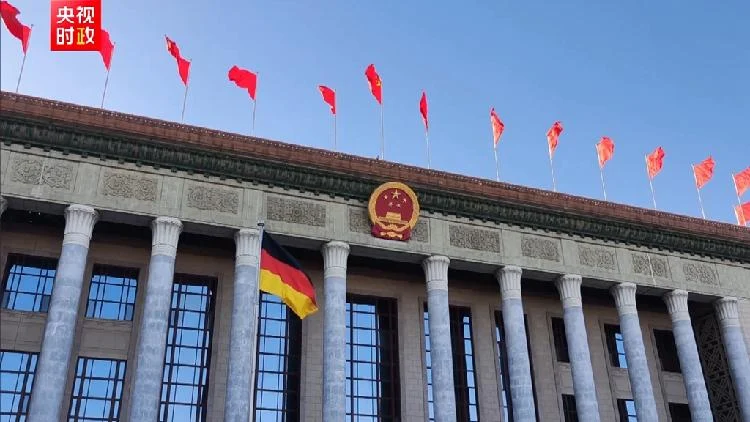
The recent state visit of German President Frank-Walter Steinmeier to China, where he was met with a welcome ceremony by Chinese President Xi Jinping, highlights the ongoing importance of such diplomatic engagements. These interactions serve as a platform for dialogue on a wide range of topics, from trade and investment to climate change and global security. Understanding the structure and purpose of these diplomatic exchanges provides insight into how nations work together to address shared challenges and pursue common interests on the world stage. This article will explore the structure of international diplomatic visits, focusing on the components of a state visit, the significance of welcome ceremonies, and the broader implications for global cooperation.
The Framework of a State Visit
A state visit is the highest level of diplomatic engagement between two countries. It is an official trip by a head of state to another country, typically at the invitation of the host nation’s head of state. These visits are meticulously planned and executed, involving a wide array of protocols and events designed to foster goodwill and advance bilateral relations. The duration of a state visit can vary, but it usually spans several days, allowing ample time for substantive discussions and cultural exchanges.
The planning for a state visit begins months in advance, involving close coordination between the diplomatic missions of both countries. This includes determining the itinerary, the specific individuals who will be met, the topics of discussion, and the ceremonial aspects of the visit. The host country typically assigns a high-ranking official to accompany the visiting head of state throughout their stay, ensuring smooth logistics and facilitating communication.
Pre-Visit Preparations and Protocol
Before the visiting head of state even arrives, extensive preparations are made. This includes ensuring the security of the visiting delegation, arranging accommodations, and preparing venues for official meetings and events. Diplomatic channels are used to finalize the guest list for any state banquets or receptions, and to confirm the specific protocols to be followed. The goal is to create an environment that is both welcoming and conducive to productive dialogue.
The host nation’s government plays a crucial role in these preparations. This involves coordinating with various ministries, including foreign affairs, defense, and interior, to ensure all aspects of the visit are handled efficiently and according to established diplomatic norms. Security is paramount, with intelligence agencies working together to assess and mitigate any potential risks.
The Arrival and Official Welcome
Upon arrival, the visiting head of state is typically greeted by their counterpart or a designated high-ranking official at the airport or a designated arrival point. This initial reception sets the tone for the visit. Following the arrival, the visiting dignitary is often escorted to their official residence, which might be a state guest house or a designated palace.
The official welcome ceremony is a cornerstone of a state visit. This event is designed to formally acknowledge the presence of the visiting head of state and to express the host nation’s respect. It often includes elements such as a military parade, the playing of national anthems, and a formal address by the host leader. The German President’s visit to China, for instance, included such a ceremony, underscoring the importance both nations place on their bilateral relationship.
Official Meetings and Discussions
The core of any state visit involves official meetings between the leaders and their respective delegations. These sessions are dedicated to discussing a wide range of issues pertinent to the bilateral relationship and broader international affairs. Topics can include economic cooperation, trade agreements, cultural exchange programs, and collaborative efforts on global challenges like climate change, public health, and security.
These meetings are typically structured to allow for both formal, plenary sessions and more informal discussions. The aim is to achieve concrete outcomes, such as the signing of new agreements or the establishment of joint working groups. The presence of ministers and senior officials from various portfolios ensures that discussions cover a broad spectrum of policy areas.
Cultural and Public Engagements
Beyond the formal political and economic discussions, state visits also often include cultural and public engagements. These activities are designed to foster people-to-people connections and to provide the visiting head of state with a deeper understanding of the host country’s culture and society. This might involve visiting historical sites, attending cultural performances, or meeting with representatives from civil society.
These engagements help to build a more comprehensive and nuanced understanding between the two nations. They offer opportunities for the visiting leader to connect with the broader population and to showcase the positive aspects of the bilateral relationship. Such interactions can leave a lasting impression and contribute to long-term goodwill.
Departure and Follow-Up
At the conclusion of the visit, a formal departure ceremony is held. This is followed by a period of follow-up, where the agreements and understandings reached during the visit are translated into concrete actions. Diplomatic channels remain active, ensuring that the momentum generated by the state visit is maintained and that the objectives set forth are pursued effectively. The success of a state visit is often measured by the tangible progress made in bilateral cooperation and the strengthening of diplomatic ties.
The Significance of Welcome Ceremonies
Welcome ceremonies are more than just a formality; they are powerful symbolic gestures that convey a nation’s respect and the importance it places on its relationship with another country. These events are steeped in tradition and protocol, designed to create a memorable and dignified reception for visiting heads of state. The specific elements of a welcome ceremony can vary significantly based on the customs and traditions of the host nation, but they generally aim to convey a sense of honor and mutual regard.
The welcome ceremony for German President Frank-Walter Steinmeier by Chinese President Xi Jinping in Beijing is a prime example of this. Such events are carefully choreographed to reflect the diplomatic significance of the occasion. They serve as a public affirmation of the diplomatic relationship and provide an opportunity for leaders to make initial public statements that set the tone for the visit.
Elements of a Formal Welcome
A typical welcome ceremony often begins with the arrival of the visiting head of state at a designated location, such as the presidential palace or a military base. Here, they are greeted by the host head of state. This is often followed by the playing of the national anthems of both countries, a gesture of respect and recognition of national sovereignty.
A military honor guard is frequently present, adding a sense of solemnity and military tradition to the proceedings. The visiting head of state may then be invited to inspect the honor guard, a symbolic act that signifies the official commencement of the state visit. Following this, the leaders often proceed to a formal reception area for initial greetings and brief remarks.
Symbolic Gestures and Their Meaning
The symbolic gestures within a welcome ceremony carry significant weight. The playing of anthems, for instance, is a direct acknowledgment of each nation’s identity and its standing on the international stage. The inspection of the honor guard demonstrates a mutual respect for military traditions and the security arrangements in place.
The presence of the host head of state personally greeting the visiting leader is also a crucial element. It signifies the highest level of importance being attached to the visit. This personal engagement at the outset of the visit helps to establish a rapport between the leaders, which can be beneficial for subsequent discussions.
Setting the Tone for Diplomacy
The welcome ceremony plays a critical role in setting the tone for the entire state visit. A warm and respectful reception can foster a positive atmosphere, encouraging open dialogue and cooperation. Conversely, a less than adequate ceremony could inadvertently create a less favorable impression, potentially impacting the tenor of the subsequent negotiations.
The public nature of these ceremonies also means they are observed by both domestic and international audiences. They serve as a visual representation of the state of relations between the two countries. Therefore, the careful execution of a welcome ceremony is not just about protocol; it is a strategic diplomatic tool.
Cultural Nuances in Ceremonies
While many elements of welcome ceremonies are universal in their intent, cultural nuances play a significant role. The specific rituals, the order of events, and the level of formality can all be influenced by the host country’s cultural heritage and diplomatic traditions. For example, some cultures may place a greater emphasis on elaborate processions or specific forms of address.
Understanding these cultural differences is essential for effective diplomacy. It demonstrates an awareness and respect for the host nation’s customs, which can further strengthen the relationship. The way a welcome ceremony is conducted can reflect a nation’s values and its approach to international relations.
The Role of Media and Public Perception
Welcome ceremonies are often highly publicized events, with media present to capture the proceedings. This public exposure means that the ceremony contributes to shaping public perception of the bilateral relationship. Images and reports of the event are disseminated widely, influencing how citizens in both countries view the interaction between their leaders.
The media coverage can highlight aspects such as the warmth of the reception, the level of formality, and any notable interactions between the leaders. This public dimension underscores the importance of ensuring that welcome ceremonies are conducted with the utmost professionalism and dignity, reflecting positively on both nations involved.
Building Bilateral Relations Through Diplomacy
State visits and the formal ceremonies that accompany them are fundamental components of building and maintaining strong bilateral relations. These interactions go beyond mere political exchanges; they are about fostering understanding, trust, and cooperation between nations. The structured approach to diplomacy, from the initial planning stages to the follow-up actions, aims to achieve tangible benefits for all parties involved.
The relationship between Germany and China, as exemplified by President Steinmeier’s visit, is a complex and multifaceted one. Both nations are significant global players with substantial economic and political influence. Their interactions, therefore, have implications not only for their own populations but also for the broader international community.
Economic Cooperation and Trade
A primary focus of many state visits is economic cooperation. Germany, as a leading industrial nation, and China, as a global manufacturing powerhouse and a rapidly growing market, have a significant trade relationship. State visits provide an opportunity to discuss trade imbalances, investment opportunities, and potential areas for collaboration in sectors such as renewable energy, automotive manufacturing, and technology.
Leaders can use these occasions to address barriers to trade, promote fair competition, and encourage greater investment. The signing of economic agreements or memorandums of understanding during a state visit can signal a commitment to deepening these ties and can lead to job creation and economic growth in both countries. For instance, discussions might revolve around how German companies can increase their presence in China or how Chinese investment can be channeled into German industries.
Addressing Global Challenges
In an increasingly interconnected world, nations face a multitude of shared challenges that require collective action. State visits offer a crucial platform for leaders to discuss these global issues and to coordinate their approaches. Climate change, for example, is a pressing concern for both Germany and China, and their cooperation is essential for achieving global climate goals.
Other areas of collaboration might include public health, where joint efforts in disease prevention and response are vital. Discussions on international security, counter-terrorism, and the peaceful resolution of conflicts are also common. By engaging in dialogue on these fronts, leaders can work towards common solutions and contribute to global stability.
Cultural Exchange and People-to-People Ties
Beyond the governmental level, fostering understanding between peoples is essential for sustainable bilateral relations. Cultural exchange programs, educational initiatives, and tourism play a significant role in this regard. State visits can help to promote these connections by highlighting the cultural heritage of both nations and by encouraging greater interaction between their citizens.
Opportunities for cultural exchange might include art exhibitions, music festivals, or academic forums. These events not only enrich the lives of individuals but also help to break down stereotypes and build bridges of understanding. Strong people-to-people ties can create a solid foundation of goodwill that supports diplomatic efforts.
Political Dialogue and Strategic Alignment
State visits also serve as vital forums for political dialogue and strategic alignment. Leaders can use these occasions to exchange views on regional and international political developments, to discuss areas of potential disagreement, and to seek common ground. This can involve discussions on geopolitical hotspots, international governance, and the future of global order.
The ability of leaders to engage in frank and open discussions, even on sensitive topics, is a hallmark of a mature diplomatic relationship. Such dialogue can help to prevent misunderstandings, de-escalate tensions, and identify opportunities for cooperation on strategic issues. The goal is to build a relationship based on mutual respect and a shared understanding of global responsibilities.
The Role of International Organizations
Cooperation within international organizations is another key aspect of bilateral relations. Germany and China are both members of major global bodies such as the United Nations, the World Trade Organization, and the G20. State visits can provide an opportunity to discuss their respective roles and contributions within these organizations, and to coordinate their positions on key global issues.
By working together within these multilateral frameworks, both countries can amplify their impact and contribute to addressing global challenges more effectively. This collaborative approach strengthens the international system and promotes a more stable and prosperous world.
The Application of Diplomacy in Practice
The principles of diplomacy are put into practice through various channels, with state visits being among the most visible and impactful. These interactions are not abstract exercises; they have real-world consequences for trade, security, and global cooperation. The structured approach to diplomacy ensures that these engagements are productive and contribute to the long-term interests of the nations involved.
The application of diplomacy is a continuous process, with state visits serving as significant milestones. The groundwork laid during these visits, through official meetings, cultural exchanges, and the signing of agreements, requires ongoing effort to maintain and build upon. This involves the work of diplomats, government officials, and various organizations that facilitate cooperation.
Direct Application Links
In the context of international relations, direct application links refer to the specific channels and platforms through which diplomatic efforts are translated into action. These can include official government websites, diplomatic missions abroad, and specialized organizations dedicated to fostering bilateral ties. For instance, a government might maintain a dedicated portal for international trade, providing businesses with information on export opportunities and import regulations.
Similarly, embassies and consulates serve as crucial points of contact, facilitating communication, providing consular services, and promoting cultural and economic exchanges. These institutions are the operational arms of diplomatic policy, working on the ground to implement the strategies agreed upon at the highest levels.
Government-to-Government Cooperation
The most direct form of diplomatic application occurs through government-to-government cooperation. This involves ministries and agencies from different countries working together on specific projects and initiatives. For example, ministries of health might collaborate on disease surveillance programs, or ministries of education might develop student exchange initiatives.
These collaborations are often formalized through intergovernmental agreements and are supported by dedicated working groups or joint committees. The success of such cooperation depends on clear communication, mutual trust, and a shared commitment to achieving common objectives.
Business and Trade Facilitation
Economic diplomacy plays a vital role in fostering bilateral trade and investment. Government agencies often work to facilitate business connections, provide market intelligence, and resolve trade disputes. This can involve organizing trade missions, hosting business forums, and providing support for companies looking to expand into foreign markets.
For example, a country’s trade promotion agency might maintain a directory of businesses seeking international partners or offer resources to help companies navigate foreign regulatory environments. These efforts are crucial for translating diplomatic goodwill into tangible economic benefits.
Cultural and Educational Exchange Platforms
Promoting cultural and educational ties is another key area where diplomatic principles are applied. This can involve supporting art exhibitions, film festivals, academic conferences, and student exchange programs. Universities and cultural institutions often play a significant role in these initiatives, working in partnership with government bodies.
These platforms provide opportunities for individuals from different countries to interact, learn from each other, and build lasting relationships. The application of diplomacy in this sphere aims to foster mutual understanding and appreciation between peoples.
Non-Governmental Organizations and Civil Society
The role of non-governmental organizations (NGOs) and civil society in applying diplomatic principles should not be overlooked. These groups often work on issues such as human rights, environmental protection, and humanitarian aid, collaborating across borders to achieve common goals. Their efforts can complement and support official diplomatic initiatives.
By engaging with civil society, governments can gain a broader perspective on societal needs and concerns, and can foster a more inclusive approach to international cooperation. These grassroots efforts can contribute significantly to building trust and understanding between nations.
International Organizations as Application Arenas
International organizations provide a crucial arena for the application of diplomatic principles on a global scale. Through bodies like the United Nations, World Trade Organization, and World Health Organization, countries can collectively address shared challenges and establish international norms and standards.
Diplomats work within these organizations to negotiate treaties, develop policies, and implement programs that have a worldwide impact. The effectiveness of these organizations relies on the willingness of member states to engage constructively and to uphold the principles of international cooperation.
Conclusion
State visits, characterized by formal welcome ceremonies and structured dialogues, are indispensable tools in the art of international diplomacy. They provide a vital platform for leaders to engage, to foster understanding, and to forge pathways toward cooperation on a myriad of global issues. From the meticulous planning and execution of arrival protocols to the substantive discussions on economic, political, and cultural fronts, every element of a state visit is designed to strengthen bilateral ties and to project a nation’s commitment to global engagement.
The welcome ceremony, in particular, serves as a powerful symbolic gesture, conveying respect and underscoring the significance of the relationship between two nations. It sets a tone of mutual regard that can permeate the subsequent interactions, paving the way for more productive negotiations and collaborations. As the world continues to face complex challenges that transcend national borders, the ability of countries to engage in meaningful diplomatic exchanges remains paramount. These high-level visits, supported by a robust framework of diplomatic application, are essential for navigating the intricacies of international relations and for building a more stable and prosperous global community.


Conversation
0 Comments