

Xpeng Mona L05: A Glimpse into the Future of Affordable Electric SUVs
The automotive landscape is shifting rapidly, with electric vehicles (EVs) moving from a niche market to a mainstream consideration. As established automakers grapple with the complexities of electrification, new players, particularly from China, are making bold moves. Xpeng, a Chinese EV manufacturer, has recently launched the Mona L05 in its home market, a five-seat mid-size SUV that offers a compelling blend of range, technology, and affordability. While not yet confirmed for the United States, the Mona L05’s specifications and pricing provide a valuable insight into the competitive pressures that American automakers may soon face as Chinese EV makers expand their global reach. This analysis will explore the Xpeng Mona L05, examining its features, performance, and the potential implications of its market entry.
Xpeng Mona L05: Design and Dimensions
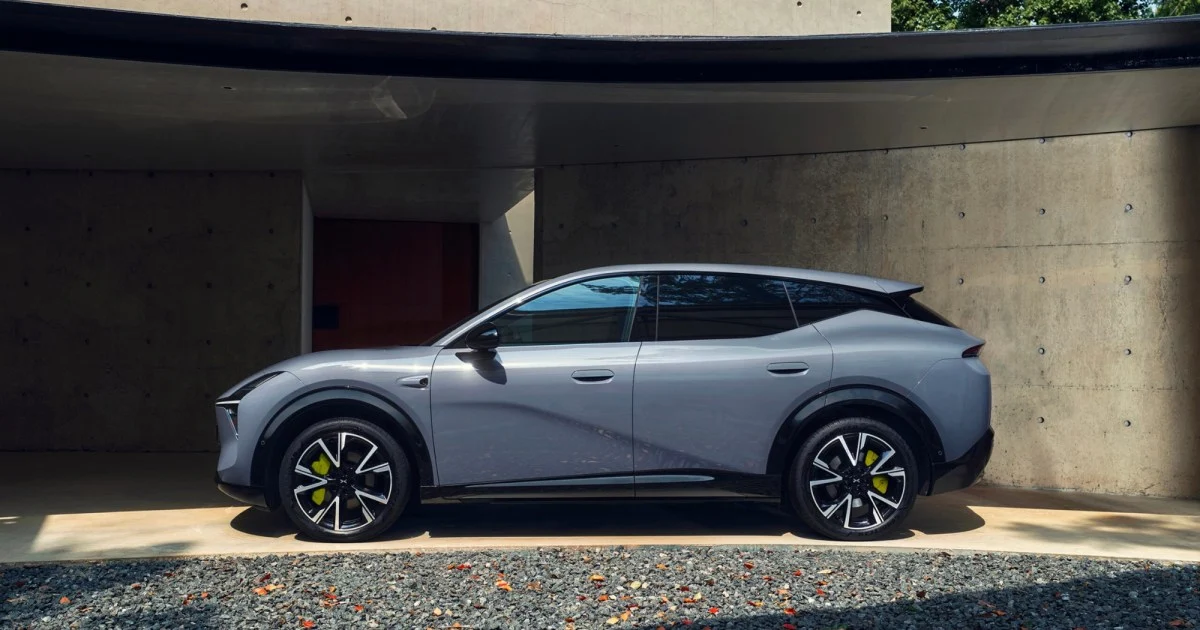
The Xpeng Mona L05 presents a modern and aerodynamic exterior design. Measuring 4,870 mm in length with a substantial 2,940 mm wheelbase, it positions itself as a spacious mid-size SUV. Its aesthetic features include distinctive Y-shaped headlights that give it a futuristic look, complemented by a closed front fascia, a common design element in EVs to improve aerodynamics. The vehicle also sports semi-hidden door handles, contributing to a cleaner profile, and a floating roofline that adds a touch of sophistication. These design choices not only enhance its visual appeal but also contribute to its overall efficiency by reducing drag.
The interior of the Mona L05 is designed to be technologically advanced and comfortable. A prominent 17.3-inch central touchscreen serves as the hub for infotainment and vehicle controls, a standard feature in modern EVs. Complementing this is a large 26.8-inch head-up display, which projects essential driving information directly into the driver’s line of sight, minimizing distractions. Adding to the cabin’s unique features is a separate 17.3-inch ceiling-mounted screen, offering passengers additional entertainment or information options. The vehicle also boasts a 20-speaker audio system for an immersive sound experience and a front passenger seat equipped with massage functions, elevating passenger comfort. Furthermore, the Mona L05 offers an impressive 41 storage spaces throughout the cabin, addressing a common need for practicality in family vehicles.
Powertrain Options and Performance
Xpeng offers the Mona L05 with both fully electric and extended-range electric vehicle (EREV) powertrains, catering to a wider range of consumer needs and preferences. The fully electric versions are powered by a rear-mounted 183 kW (approximately 245 horsepower) electric motor. These models are available with two battery options: a 58.2 kWh unit and a larger 71.1 kWh unit, both utilizing Lithium Iron Phosphate (LFP) battery technology. LFP batteries are known for their durability, safety, and lower cost compared to other lithium-ion chemistries, making them an attractive choice for mass-market EVs.
Xpeng claims a maximum CLTC (China Light-Duty Vehicle Test Cycle) range of up to 635 km (approximately 395 miles) for the fully electric variants. This range figure is highly competitive, especially considering the vehicle’s affordable price point. The CLTC is a Chinese standard for measuring EV range, and while it differs from EPA or WLTP cycles, it provides a useful benchmark for comparison within the Chinese market.
The extended-range version of the Mona L05 offers a different approach to alleviating range anxiety. This model pairs the same 183 kW electric motor with a 37.2 kWh battery and a 1.5-liter petrol engine that acts as a generator. This setup allows the vehicle to operate on electric power for a significant portion of its driving, with the gasoline engine providing backup power to recharge the battery or directly power the motor when needed. The EREV version offers a CLTC-rated electric-only range of 310 km (approximately 193 miles) and a remarkable combined range of up to 1,310 km (approximately 814 miles) when utilizing both the battery and the gasoline engine. This extended range capability makes it a practical choice for drivers who frequently undertake long journeys or live in areas with less developed charging infrastructure.
Advanced Driver-Assistance Systems (ADAS)
The Mona L05 is equipped with advanced technology, particularly in its driver-assistance systems. The higher-specification Ultra SE variant is notable for featuring two Turing chips, which collectively provide a computing capability of 1,500 TOPS (Trillions of Operations Per Second). This significant processing power is dedicated to enabling sophisticated assisted-driving functions. These systems can include features like adaptive cruise control, lane-keeping assist, automatic emergency braking, and more complex navigation assistance.
It is important to note that, as with most current ADAS, drivers are still required to supervise the system and remain ready to take control at any moment. These systems are designed to assist, not to replace, the driver. The inclusion of such advanced computing power at this price point underscores Xpeng’s commitment to integrating cutting-edge technology into its mass-market offerings. This level of ADAS capability is often found in much more expensive vehicles, further highlighting the competitive nature of the Chinese EV market.
Pricing and Market Positioning
In China, the Xpeng Mona L05 is offered in six different variants, with prices ranging from 144,800 yuan to 176,800 yuan. However, introductory discounts are available, bringing the effective price range down to between 139,800 yuan and 171,800 yuan. When converted to US dollars, this translates to approximately $20,800 to $25,600. This pricing strategy places the Mona L05 firmly in the affordable mass-market segment, making it an attractive option for a broad range of consumers.
The combination of a competitive price, substantial range, advanced technology, and practical SUV styling makes the Mona L05 a significant contender in its segment. It directly challenges established players and sets a new benchmark for what consumers can expect from an affordable electric vehicle. Deliveries of the Mona L05 in China were scheduled to begin on November 1, indicating Xpeng’s readiness to bring this new model to market swiftly.
Potential for the US Market
While the Xpeng Mona L05 is currently only confirmed for the Chinese market, its specifications and pricing raise questions about its potential future availability in the United States. American automakers are facing increasing pressure from global EV manufacturers, and a vehicle like the Mona L05, if brought to the US, would undoubtedly shake up the market. However, the starting price in China should not be directly equated to a potential US sticker price.
Several factors would influence the final cost of the Mona L05 if it were to be imported into the United States. These include import duties, which can be substantial for vehicles manufactured overseas, as well as the costs associated with meeting US regulatory requirements, such as safety standards and emissions testing. Furthermore, establishing a distribution network, marketing, and after-sales service infrastructure in a new market like the US would add considerable expense.
Despite these potential cost increases, the core value proposition of the Mona L05 – a feature-rich, long-range electric SUV at an accessible price – remains compelling. Xpeng’s stated global expansion plans, targeting 65 countries and regions for this model, suggest that a US launch is not entirely out of the question, though it is not currently confirmed. American buyers should monitor Xpeng’s future announcements closely, but should not expect to see the Mona L05 at dealerships in the immediate future.
Competitive Landscape and Implications for US Automakers
The launch of the Xpeng Mona L05 is indicative of a broader trend: Chinese automakers are rapidly advancing in EV technology and aggressively pursuing global market share. Companies like BYD, Xiaomi, and Xpeng are not just producing affordable EVs; they are also integrating sophisticated technology, impressive range, and innovative features that often surpass what is available from Western manufacturers in similar price brackets.
For US automakers, the Mona L05 serves as a clear signal of the evolving competitive landscape. The pressure to reduce EV production costs while maintaining or improving range, technology, and design is intensifying. Vehicles like the Volkswagen ID.UNYX 08, which features advanced software and charging technology developed in partnership with Xpeng for the Chinese market, further illustrate how Chinese consumers are often receiving the latest automotive innovations first. This trend suggests that US automakers need to accelerate their own development cycles and find ways to bring advanced EV technology to market more affordably.
The extended-range electric vehicle (EREV) format, as seen in the Mona L05 and other Chinese models like the Xiaomi SkyNomad, offers a practical solution for consumers concerned about charging infrastructure. While some US manufacturers have shied away from EREVs, focusing solely on battery-electric vehicles (BEVs), the success of these models in China indicates a strong consumer demand for such flexible powertrains. This could prompt a re-evaluation of EREV strategies by American car companies.
Furthermore, the sheer pace of innovation is a critical factor. Reports of BYD revealing a Tesla Model Y competitor with a 644-mile range and a rapid charging capability (10-70% in just 5 minutes) highlight the aggressive development timelines in China. This rapid progress demands that US automakers remain agile and responsive to market changes.
Xpeng’s Global Ambitions
Xpeng’s strategy with the Mona L05 extends beyond its domestic market. The company has explicitly stated its intention to target 65 countries and regions with this model. This ambitious global rollout plan underscores Xpeng’s confidence in its product and its determination to establish a significant international presence. Such a broad expansion necessitates adherence to diverse regulatory standards and consumer preferences across different markets.
The company’s previous ventures into international markets, such as its expansion into Norway, Sweden, Denmark, and the Netherlands with models like the P7 sedan and G9 SUV, provide a foundation for its future endeavors. While the Mona L05’s specific launch markets outside of China are yet to be fully detailed, its potential availability in Europe and potentially other regions signifies a direct challenge to established European and Asian automakers.
The success of this global push will depend on Xpeng’s ability to navigate complex logistics, build brand recognition, and establish reliable service networks in each new territory. However, the Mona L05’s attractive price-to-feature ratio gives it a strong starting point.
The Role of Technology and Innovation
The Mona L05 exemplifies Xpeng’s focus on integrating advanced technology into its vehicles. Beyond the impressive computing power for ADAS, the vehicle’s infotainment system, with its large screens and high-fidelity audio, aims to provide a premium user experience. The inclusion of features like a massage function for the front passenger seat further demonstrates a commitment to comfort and luxury, even in a more affordable vehicle.
This emphasis on technology is a key differentiator for many Chinese EV manufacturers. They are often able to incorporate the latest advancements more quickly and at a lower cost than legacy automakers, partly due to a more agile development process and a strong domestic supply chain for electronic components. The “Turing chips” mentioned for the Ultra SE variant suggest a proprietary or highly integrated approach to their AI and computing platforms, which can offer performance advantages.
The integration of AI and advanced software is becoming increasingly critical in the automotive industry. Vehicles are transforming into connected devices on wheels, and the ability to offer seamless software updates, intuitive user interfaces, and intelligent driving assistance is paramount. Xpeng’s investment in these areas positions the Mona L05 as a forward-looking vehicle, not just a budget-friendly option.
Challenges and Opportunities for Xpeng
Despite the promising aspects of the Mona L05, Xpeng, like any automaker, faces challenges. Building a global brand requires significant investment and time. Consumer trust and brand loyalty are hard-won, especially in mature automotive markets with established players. The geopolitical landscape and trade relations between China and other countries can also present hurdles.
However, the opportunities are substantial. The global demand for electric vehicles continues to grow, driven by environmental concerns, government incentives, and falling battery costs. Xpeng’s ability to offer compelling products at competitive prices positions it well to capture a significant share of this expanding market. The Mona L05, in particular, addresses a crucial segment of the market that is often underserved by high-priced EVs.
The company’s strategic partnerships, such as its collaboration with Volkswagen on EV technology for the Chinese market, also demonstrate a pragmatic approach to accelerating development and market penetration. These collaborations can provide access to new technologies, manufacturing expertise, and broader market reach.
Conclusion
The Xpeng Mona L05 represents more than just a new electric SUV; it is a clear indicator of the accelerating pace of innovation and competition in the global automotive industry. With its attractive pricing, impressive range, advanced technology, and practical design, it sets a high bar for affordable electric vehicles. While its immediate availability in the US remains uncertain, its existence and specifications serve as a wake-up call for established automakers. The Mona L05 underscores the need for greater efficiency, faster innovation, and more accessible pricing to meet the evolving demands of consumers worldwide. As Chinese EV manufacturers like Xpeng continue to expand their global footprint, the automotive landscape is poised for significant transformation, with consumers ultimately benefiting from a wider array of advanced and affordable electric mobility options.
Conversation
0 Comments