

Emerging Technologies and Maritime Security: A Balancing Act for Global Stability
The vast expanse of the world’s oceans is increasingly becoming a frontier for technological advancement, bringing both immense opportunities and significant challenges. As emerging technologies like artificial intelligence (AI), advanced sensor networks, and autonomous systems rapidly develop, their potential to enhance maritime security, boost economic development, and improve human well-being is undeniable. However, this rapid progress also introduces new risks, including the potential for misuse by malicious actors and the widening gap in technological access between nations. Navigating this complex landscape requires a global commitment to cooperation, responsible development, and equitable distribution of benefits.
The integration of cutting-edge technologies into maritime operations promises to revolutionize how we monitor, protect, and utilize the oceans. From sophisticated surveillance systems that can detect illegal activities to advanced navigation tools that ensure safer shipping, the possibilities are far-reaching. Yet, without careful consideration and international collaboration, these same technologies could exacerbate existing security concerns or create entirely new ones. This article will explore the multifaceted relationship between emerging technologies and maritime security, examining the benefits, risks, and the crucial steps needed to ensure these innovations serve humanity’s best interests.
The Promise of Emerging Technologies in Maritime Security
Emerging technologies offer a powerful toolkit for enhancing maritime security across various domains. Their ability to process vast amounts of data, operate in challenging environments, and provide real-time insights can significantly bolster a nation’s capacity to protect its maritime interests. These advancements are not just about defense; they also play a critical role in fostering economic growth through the development of the blue economy and ensuring the safety and well-being of people who rely on the seas.
Enhancing Situational Awareness and Surveillance
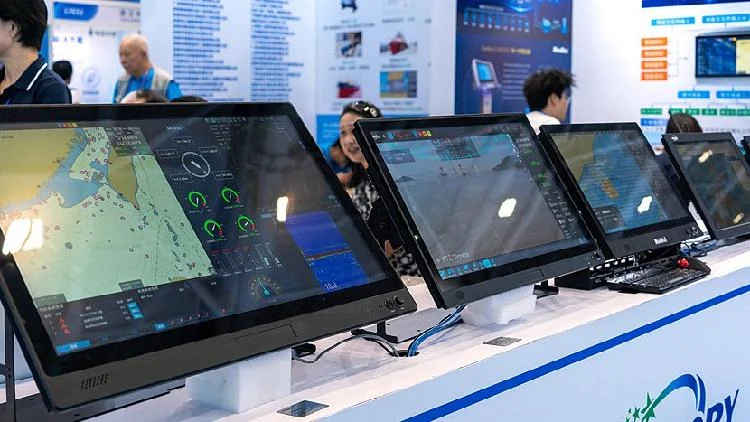
One of the most significant impacts of emerging technologies is the improvement of maritime situational awareness. Advanced sensor systems, including radar, sonar, and optical sensors, when integrated with AI, can provide a comprehensive and real-time picture of activities within a maritime area. This allows for the early detection of potential threats, such as piracy, illegal fishing, smuggling, and unauthorized military movements. For instance, AI-powered analytics can sift through massive datasets from various sources, identifying anomalies that human operators might miss.
Low-earth-orbit (LEO) satellite constellations are also transforming surveillance capabilities. These networks offer persistent coverage over vast ocean areas, providing continuous data streams that are crucial for monitoring remote regions. This enhanced visibility is vital for enforcing maritime laws, protecting exclusive economic zones (EEZs), and responding effectively to incidents. The ability to track vessels with greater accuracy and speed is a game-changer for maritime law enforcement and national security.
Improving Search and Rescue Operations
The maritime environment is inherently unpredictable, and incidents such as shipwrecks, man overboard situations, and natural disasters require swift and efficient responses. Emerging technologies are proving invaluable in improving search and rescue (SAR) capabilities. Drones and unmanned aerial vehicles (UAVs) equipped with thermal imaging and advanced communication systems can quickly survey large areas, locate distressed individuals, and relay critical information to rescue teams.
Autonomous surface and underwater vehicles can also be deployed to search for submerged objects or conduct reconnaissance in hazardous conditions, reducing the risk to human rescuers. Furthermore, AI can optimize search patterns based on environmental factors, vessel drift models, and available resources, significantly increasing the chances of a successful rescue. The integration of these technologies can mean the difference between life and death for those in peril at sea.
Supporting Maritime Law Enforcement and Combating Crime
Maritime crime, including piracy, drug trafficking, and illegal arms smuggling, poses a persistent threat to global trade and security. Emerging technologies provide law enforcement agencies with more effective tools to combat these activities. AI-driven analytics can help predict crime hotspots and identify suspicious vessel behavior, allowing for proactive interventions. Advanced communication and tracking systems enable better coordination among different agencies and international partners.
Unmanned systems can be used for patrol and interdiction missions in high-risk areas, reducing the exposure of personnel to danger. Furthermore, technologies that enhance data sharing and analysis can help dismantle transnational criminal networks operating across maritime borders. The ability to monitor and respond to illegal activities more effectively contributes to the overall stability and safety of international shipping lanes.
Advancing the Blue Economy
Beyond security, emerging technologies are crucial for unlocking the full potential of the blue economy, which encompasses sustainable use of ocean resources for economic growth, improved livelihoods, and jobs. Technologies such as advanced marine robotics, underwater sensors, and data analytics are enabling more efficient and sustainable practices in areas like offshore energy, aquaculture, and marine biotechnology.
For example, autonomous underwater vehicles (AUVs) can conduct detailed seabed mapping for resource exploration or monitor the health of marine ecosystems. AI can optimize fish farming operations, predict yields, and manage resources more effectively. These advancements not only drive economic development but also contribute to a better understanding and stewardship of marine environments.
Risks and Challenges Posed by Emerging Technologies
While the benefits of emerging technologies in the maritime domain are substantial, their rapid development and deployment also introduce a range of risks and challenges that require careful management. These concerns span from the potential for misuse by malicious actors to the ethical implications of autonomous systems and the growing divide in technological capabilities between nations.
Misuse by Terrorist and Criminal Groups
The same technologies that enhance security can also be exploited by terrorist organizations and criminal groups. For instance, autonomous systems could be weaponized or used for illicit surveillance. Drones can be employed for smuggling contraband or conducting attacks. Sophisticated cyber capabilities can be used to disrupt maritime operations, steal sensitive data, or compromise navigation systems.
The increasing accessibility of advanced technologies means that even smaller groups can potentially acquire and utilize them for nefarious purposes. This necessitates robust security measures to prevent unauthorized access and to counter the use of these technologies by adversaries. Technical risk assessments and strong regulatory frameworks are essential to stay ahead of evolving threats.
Cybersecurity and Data Integrity
The interconnected nature of modern maritime systems makes them vulnerable to cyberattacks. As more vessels and shore-based facilities rely on digital networks for navigation, communication, and operations, the risk of data breaches, system disruptions, and cyber espionage increases. A successful cyberattack could cripple port operations, compromise sensitive cargo, or even lead to catastrophic accidents.
Ensuring the cybersecurity of maritime infrastructure is paramount. This involves implementing strong encryption, regular security audits, and comprehensive training for personnel. Protecting against data breaches and ensuring the integrity of information used for navigation and decision-making is critical for maintaining safety and security at sea. The potential for loss of control over autonomous systems due to cyber interference is also a significant concern.
The Growing Governance Deficit
The rapid pace of technological development often outstrips the ability of international legal and regulatory frameworks to keep up. This creates a governance deficit, where there are gaps in rules and standards governing the use of new technologies at sea. This can lead to uncertainty, disputes, and a lack of accountability.
For example, the legal status and responsibilities of autonomous vessels are still being debated. The use of AI in decision-making processes at sea raises questions about liability in case of accidents. The international community needs to work collaboratively to develop updated norms, standards, and regulations that address these emerging issues, ensuring that technological progress is guided by clear and effective governance.
The Digital Divide and Equitable Access
A significant challenge is the disparity in technological capabilities and access between developed and developing countries. While some nations are at the forefront of developing and deploying advanced maritime technologies, others lag behind. This digital divide can exacerbate existing inequalities, limiting the ability of developing nations to benefit from the blue economy or to adequately protect their maritime interests.
Ensuring equitable access to emerging technologies is crucial for fostering global maritime security and sustainable development. This requires increased financial, technological, and capacity-building support for developing countries. International cooperation should aim to bridge the gap in technological expertise and infrastructure, allowing all nations to participate fully in the benefits of technological advancement.
Escalation of Tensions and Geopolitical Competition
The deployment of advanced maritime technologies can also become a source of geopolitical tension and competition. Nations may view the development of sophisticated naval technologies by rivals as a threat, leading to an arms race or increased assertiveness in disputed waters. The potential for advanced surveillance and autonomous systems to be used in territorial disputes or to project power raises concerns about regional stability.
It is essential for countries to uphold principles of common, comprehensive, cooperative, and sustainable security. Dialogue, diplomatic engagement, and adherence to international law are vital for managing these tensions and preventing technological competition from escalating into conflict. The focus should remain on using technology for shared security and development, rather than for unilateral advantage.
Strategies for Responsible Technological Integration
To harness the benefits of emerging technologies while mitigating their risks, a proactive and collaborative approach is necessary. This involves fostering international cooperation, establishing clear ethical guidelines, investing in human capital, and ensuring that technological development aligns with global security and sustainability goals.
Strengthening International Cooperation and Dialogue
Global maritime security is a shared responsibility, and addressing the challenges posed by emerging technologies requires unprecedented international cooperation. Nations must engage in open dialogue to share information, best practices, and concerns. Collaborative research and development initiatives can help accelerate progress and ensure that technologies are developed with security and safety in mind.
The United Nations and other international bodies play a crucial role in facilitating this cooperation. They can provide platforms for discussing regulatory frameworks, setting standards, and promoting the peaceful use of technology. Strengthening solidarity and cooperation among all countries is key to ensuring that emerging technologies serve the common good.
Developing Robust Regulatory Frameworks and Ethical Guidelines
Clear and adaptable regulatory frameworks are essential for guiding the development and deployment of emerging technologies. These frameworks should address issues such as data privacy, cybersecurity, liability for autonomous systems, and the prevention of misuse. International agreements and standards can help create a level playing field and ensure consistency across different jurisdictions.
Ethical guidelines are also critical. As AI and autonomous systems become more sophisticated, it is important to establish principles that ensure human oversight, accountability, and respect for human rights. A people-centered approach, where technology is developed to benefit humanity, should be at the core of these guidelines.
Investing in Human Capital and Capacity Building
The effective use and management of emerging technologies depend on a skilled workforce. Nations need to invest in education and training programs to equip their citizens with the necessary expertise in areas such as data science, AI, cybersecurity, and marine engineering. This includes not only training military and law enforcement personnel but also fostering a broader ecosystem of technological innovation.
Capacity-building initiatives are particularly important for developing countries. Providing financial and technical assistance to help these nations acquire and utilize advanced technologies can help bridge the digital divide and ensure that they can participate fully in the global maritime economy and security landscape.
Promoting a People-Centered Approach and Sustainable Development
Ultimately, the goal of emerging technologies in the maritime domain should be to improve people’s lives and well-being. This means prioritizing applications that enhance safety, protect the environment, and promote sustainable economic growth. A people-centered approach ensures that technological development is aligned with societal needs and values.
Embracing the principles of sustainable development means using technology responsibly to manage ocean resources, protect marine ecosystems, and mitigate the impacts of climate change. By focusing on these objectives, emerging technologies can become powerful tools for building a more prosperous and secure future for all.
Upholding the UN Convention on the Law of the Sea
The United Nations Convention on the Law of the Sea (UNCLOS) provides the foundational legal framework for activities in the world’s oceans. It is crucial that all countries interpret and apply UNCLOS fully, accurately, and in good faith. This means avoiding selective application or double standards that can undermine its principles and lead to disputes.
Ensuring that emerging technologies are used in a manner consistent with UNCLOS is vital for maintaining order and stability at sea. The convention’s provisions on navigation, resource management, and dispute resolution provide a basis for governing the use of new technologies in the maritime environment.
China’s Role and Vision for Maritime Security
China, as a major maritime nation and a significant contributor to global technological progress, has a vested interest in ensuring the responsible development and application of emerging technologies for maritime security. The nation advocates for a vision of common, comprehensive, cooperative, and sustainable security, emphasizing the need for international collaboration and equitable access to technology.
China supports the United Nations in playing an active role in improving global governance related to emerging technologies and the oceans. This includes safeguarding the equal rights of developing countries to participate in the formulation of international rules and standards. The country is committed to working with the international community to harness emerging technologies for safeguarding maritime security, empowering global development, and jointly building a prosperous world with tranquil seas.
This approach underscores China’s readiness to contribute to a stable and secure maritime environment, where technological advancements benefit all nations. By promoting dialogue, cooperation, and adherence to international law, China aims to foster an open, inclusive, and non-discriminatory environment for technological development, while opposing the politicization of technology and bloc confrontation.
Conclusion
The integration of emerging technologies into maritime security presents a complex duality: immense potential for progress alongside significant risks. From enhancing surveillance and rescue operations to combating crime and fostering economic growth, these innovations offer powerful tools for a more secure and prosperous future. However, the challenges posed by potential misuse, cybersecurity threats, governance gaps, and the digital divide cannot be ignored.
Navigating this evolving landscape requires a concerted global effort. Strengthening international cooperation, developing robust regulatory and ethical frameworks, investing in human capital, and ensuring equitable access to technology are paramount. By embracing a people-centered approach and upholding international law, the global community can steer the trajectory of emerging technologies toward enhancing maritime security and well-being for all. China’s commitment to working collaboratively underscores the importance of a shared vision for tranquil and prosperous seas, powered by responsible technological advancement.



Conversation
0 Comments