

Understanding Your Ford Vehicle’s Data Privacy: What You Need to Know
In today’s increasingly connected world, our vehicles are becoming more than just a way to get from point A to point B. They are sophisticated machines equipped with advanced technology that collects a significant amount of data about our driving habits, vehicle performance, and even our location. For Ford owners, understanding what data is collected, why it’s collected, and how they can control it is becoming a key consideration when choosing and using their vehicle. Ford has introduced its “Privacy Promise” to address these concerns, aiming to provide transparency and control over your vehicle’s data.
This initiative aims to inform drivers about the types of information Ford vehicles gather, the purposes behind this data collection, and the tools available for owners to manage their privacy settings. As vehicles become more integrated with digital services, the amount of data generated will only increase. Therefore, it’s essential for drivers to be aware of Ford’s data practices and the implications of their choices regarding data sharing. This article will explore Ford’s Privacy Promise, the data it collects, and what happens when you decide to manage your privacy settings.
What Information Does Ford Collect from Your Vehicle?
Ford’s connected vehicles gather information that can be broadly categorized into three main types: vehicle diagnostics, driving characteristics, and location data. Each category serves specific purposes that contribute to the functionality and improvement of Ford vehicles and services. Understanding these categories is the first step in grasping what information is being shared and why.
Vehicle Diagnostics
This type of data relates to the operational health and performance of your Ford vehicle. It includes information about various systems within the car, such as engine performance, battery status, tire pressure, and any error codes that might be generated. This data is crucial for identifying potential issues before they become major problems, allowing for proactive maintenance and repairs. It helps Ford understand how its vehicles are performing in real-world conditions, which is invaluable for improving reliability and engineering future models.
Driving Characteristics
Driving characteristics data provides insights into how you operate your vehicle. This can include information like acceleration and braking patterns, speed, steering inputs, and how the vehicle is used in different driving environments. Ford uses this information to understand driving behaviors, which can help in developing advanced driver-assistance systems (ADAS) and improving the overall driving experience. For instance, data on how drivers use features like adaptive cruise control or lane keeping assist can inform future software updates and system enhancements.
Location Data
Location data is precisely what it sounds like: information about where your vehicle is. This can range from general location information to more precise tracking. Ford utilizes this data for several key functions. It powers embedded navigation systems, providing real-time traffic updates and suggesting the most efficient routes. Location data is also essential for services like Roadside Assistance, allowing Ford to pinpoint your vehicle’s location quickly in case of a breakdown. Furthermore, it can be used to provide localized services and information relevant to your current whereabouts.
Why Does Ford Collect This Data?
The data collected by Ford vehicles is not simply gathered for the sake of having it; it serves several important purposes that aim to benefit the owner and improve the automotive experience. Ford emphasizes that this information is used to power features, troubleshoot issues, enhance future vehicles, and personalize your driving experience.
Powering Vehicle Features
Many of the convenient features you enjoy in your Ford vehicle rely on the data it collects. For example, the real-time traffic information displayed on your navigation screen is updated using data from other connected vehicles on the road. Similarly, services like Roadside Assistance require your vehicle’s location to be dispatched effectively. Without this data, many of these integrated systems would not be able to function as intended, diminishing the overall utility and convenience of your connected car.
Troubleshooting and Improving Future Vehicles
Vehicle diagnostics and performance data are invaluable for Ford’s engineers. By analyzing this information from a large fleet of vehicles, Ford can identify patterns of issues, understand component wear, and pinpoint areas for improvement in future designs. This data-driven approach allows Ford to make its vehicles more reliable, efficient, and safer over time. It’s a continuous feedback loop that helps ensure the next generation of Ford vehicles are better than the last.
Personalizing Your Driving Experience
Ford also uses collected data to tailor your experience with the vehicle. This could involve adjusting settings based on your driving habits, offering personalized recommendations, or providing services that are more relevant to your usage patterns. For instance, if the system learns you frequently drive in heavy traffic, it might proactively offer alternative routes or adjust certain comfort settings. This personalization aims to make your time in the vehicle more comfortable and efficient.
Ford’s Commitment to Data Privacy: The Privacy Promise
Ford recognizes that data privacy is a significant concern for consumers. In response, the company has launched its “Privacy Promise,” an initiative designed to be upfront with customers about its data practices and to provide a clear commitment to protecting their information. This promise is built on the idea that customers should have control over what they share and understand how their data is used.
Transparency and Control
The core of the Ford Privacy Promise is transparency. Ford aims to clearly explain what types of data are collected, why they are collected, and how they are protected. This information is made accessible through resources like the Ford Privacy website. Beyond transparency, the promise emphasizes customer control. Ford states that owners can manage their privacy settings at any time, allowing them to adjust what information they are comfortable sharing. This empowers drivers to make informed decisions about their data.
Data Protection Measures
Ford states that it has implemented privacy protections for the data it collects. These measures include anonymizing data, which means removing personally identifiable information, or grouping data from multiple vehicles to reduce the exposure of individual details. The goal is to use the data for its intended purposes without compromising the privacy of individual owners. Ford asserts that it will not sell your driving data to third-party brokers or insurers, a common concern among consumers regarding vehicle data.
Industry Context and Consumer Expectations
The launch of Ford’s Privacy Promise comes at a time when consumer awareness and concern about data privacy are growing. Industry polling indicates that a significant portion of consumers do not fully understand what their cars collect, yet a large majority believe data privacy is a key factor when choosing a vehicle. Ford’s proactive approach, including surveying consumers for this initiative, suggests an understanding of these evolving expectations and a desire to build trust with its customer base.
Managing Your Ford Vehicle’s Privacy Settings
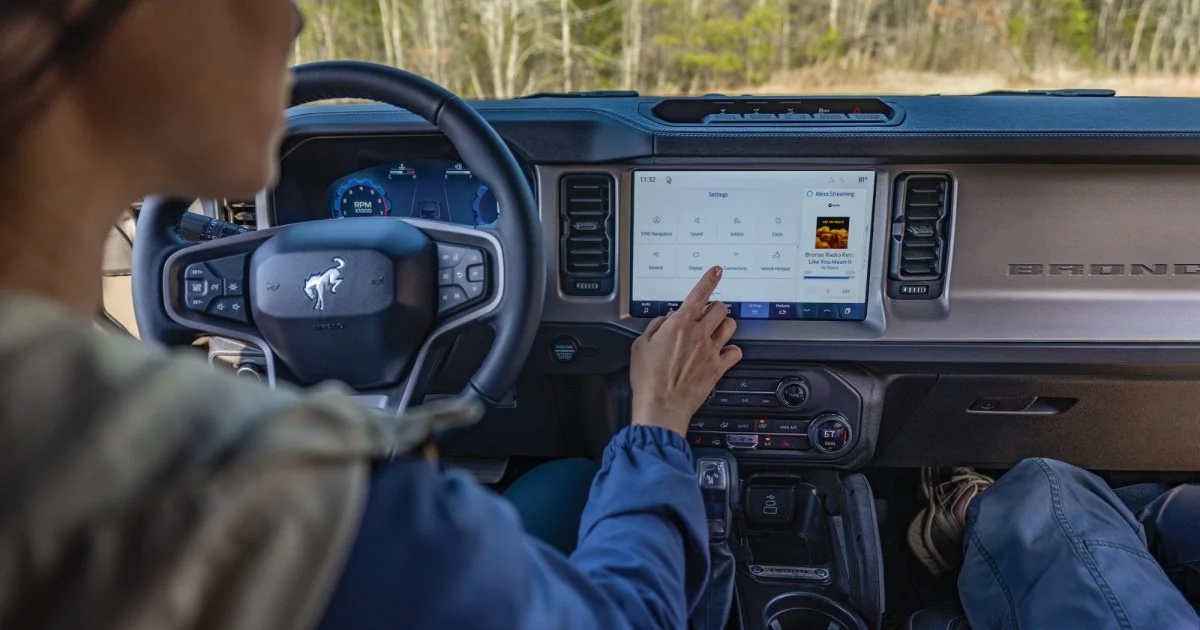
Ford provides mechanisms for owners to manage their privacy settings, allowing them to control the data their vehicle shares. These settings can typically be accessed through the vehicle’s center display or the Ford mobile application. It’s important for owners to understand that adjusting these settings can have implications for certain vehicle features.
Accessing Privacy Settings
For Ford vehicles built in 2018 or later, owners can usually manage their privacy settings directly from the vehicle’s touchscreen interface. This typically involves navigating through the vehicle’s settings menu to find options related to connectivity, data sharing, or privacy. Additionally, the Ford mobile app often provides a centralized hub for managing these settings, allowing owners to review and adjust their preferences remotely. Ford is also working to roll out these resources for Lincoln owners and those in other regions like Mexico and Canada, with plans for broader international availability.
The Trade-Offs of Opting Out
While Ford emphasizes customer control, it’s crucial to understand that opting out of certain data sharing can come with trade-offs. When you disable connected services or choose not to share specific types of data, some features that rely on that data may cease to function. For example, turning off connected services can disable advanced features like Ford’s BlueCruise hands-free driving system, which requires continuous data for operation.
Other features that might be affected include:
- Internet Connectivity: Access to in-car Wi-Fi or streaming services that require an internet connection.
- Vehicle Location Services: The ability to track your vehicle’s location through the Ford app, which is useful for finding a parked car or for security purposes.
- Real-time Navigation: While basic navigation might still work, real-time traffic updates and dynamic routing that adapt to current conditions may be disabled.
- Built-in Roadside Assistance: The integrated system that allows you to request help directly from your vehicle may not function without location and diagnostic data.
Ford’s approach is to be upfront about these potential limitations. The company’s stance is that these features are designed to work with connected services, and disabling those services will naturally impact their functionality. Owners must weigh the benefits of enhanced privacy against the potential loss of convenience and advanced features.
Ford’s Data Usage Policies and Your Vehicle
Ford’s commitment to data privacy extends to how it handles the information it collects. The company outlines its policies to ensure that data is used responsibly and ethically. Understanding these policies helps build confidence in how your vehicle’s information is managed.
Data Anonymization and Aggregation
A key aspect of Ford’s data handling is the use of anonymization and aggregation techniques. Anonymization involves removing any direct identifiers that could link data back to a specific individual. This means that even if diagnostic or driving data is analyzed, it cannot be traced back to you personally. Aggregation involves combining data from many vehicles. This allows Ford to identify trends and patterns across its fleet without focusing on individual vehicles. For instance, if a particular component shows a higher-than-average failure rate in a certain region, Ford can address it without needing to know which specific cars are affected.
No Sale of Driving Data
Ford has explicitly stated that it will not sell your driving data to third-party brokers or insurance companies. This is a significant point of reassurance for many consumers who are concerned about their personal driving information being commercialized or used to adjust insurance premiums without their direct consent. The Privacy Promise aims to make this commitment clear and binding.
Data Usage for Service Improvement
The data collected is primarily used to improve the services Ford offers and the vehicles it produces. This includes enhancing the performance of existing features, developing new technologies, and ensuring the safety and reliability of its cars. For example, data from advanced driver-assistance systems can help refine the algorithms that control features like automatic emergency braking or lane centering, making them more effective and responsive.
The Future of Connected Car Data and Ford’s Role
As automotive technology continues to advance, the amount and type of data generated by vehicles will undoubtedly increase. Features like over-the-air software updates, advanced infotainment systems, and increasingly sophisticated autonomous driving capabilities will all contribute to a richer data stream. Ford’s Privacy Promise represents an effort to navigate this evolving landscape responsibly.
Evolving Technology and Data Generation
The trend towards more connected and intelligent vehicles means that data collection is becoming an integral part of the automotive experience. Electric vehicles (EVs), for instance, generate unique data related to battery performance, charging patterns, and energy consumption. Ford’s upcoming EVs are expected to generate even more data than their predecessors, making transparent data policies even more critical.
Building Trust in the Digital Age
In an era where data privacy is a paramount concern, automakers like Ford are under pressure to demonstrate a strong commitment to protecting customer information. Initiatives like the Privacy Promise are designed to build trust by offering clarity and control. By being upfront about data collection and usage, and by providing owners with the ability to manage their settings, Ford aims to foster a positive relationship with its customers, even as technology advances.
The Importance of Informed Choices
Ultimately, the responsibility also lies with the vehicle owner to stay informed. Understanding what data your vehicle collects, why it’s collected, and what options are available for managing privacy settings is key. Regularly reviewing your vehicle’s privacy settings and staying updated on Ford’s policies will ensure that you remain in control of your data and can enjoy the benefits of connected car technology while maintaining your desired level of privacy.
Conclusion
Ford’s Privacy Promise is a significant step towards addressing consumer concerns about data privacy in connected vehicles. By detailing the types of data collected—vehicle diagnostics, driving characteristics, and location data—and explaining their purpose, Ford aims to provide a level of transparency that empowers owners. The promise to not sell driving data to third parties and to offer robust controls for managing privacy settings directly from the vehicle or the Ford app are key components of this initiative.
However, it is essential for Ford owners to understand that opting out of data sharing may limit the functionality of certain advanced features, such as BlueCruise, real-time navigation, and connected services. This trade-off between privacy and feature availability is a critical consideration for every owner. As automotive technology continues to evolve, Ford’s commitment to transparency and customer control will be vital in building and maintaining trust, ensuring that drivers can confidently embrace the benefits of connected car technology while safeguarding their personal information. Staying informed about your vehicle’s data practices and actively managing your privacy settings are the best ways to navigate this increasingly digital automotive landscape.



Conversation
0 Comments