

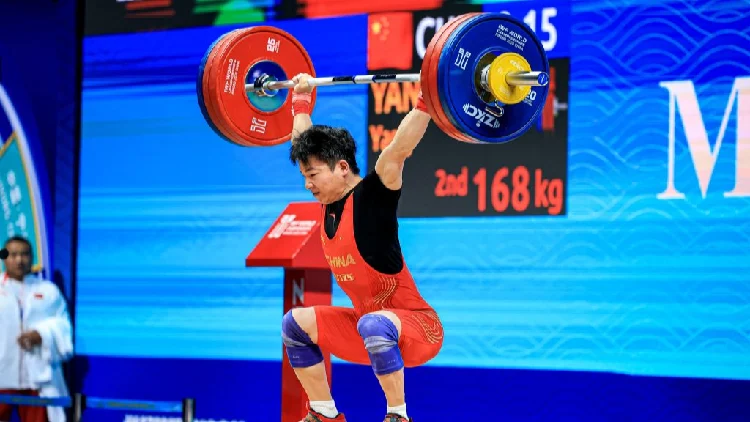
The World Weightlifting Championships are a pinnacle event for athletes striving for strength and precision. This competition showcases the incredible power and dedication required to excel in the sport of weightlifting. Athletes from around the globe gather to test their limits, pushing their bodies to achieve new personal bests and secure coveted titles. The championships are not just about lifting the heaviest weights; they are a testament to years of training, strategic planning, and mental fortitude. Understanding the structure and dynamics of these events can offer valuable insights into athletic performance and the dedication it takes to reach the top.
The World Weightlifting Championships are a multi-day event featuring various weight classes for both men and women. Athletes compete in two distinct lifts: the snatch and the clean and jerk. The goal is to lift the maximum weight possible in each of these lifts. The combined total of the best successful snatch and the best successful clean and jerk determines the overall winner in each weight category. This dual-lift format requires a unique blend of explosive power, technical skill, and endurance.
The Snatch
The snatch is the first of the two lifts performed in a competition. It is a single, continuous movement where the barbell is lifted from the floor to an overhead position in one fluid motion. This lift demands exceptional speed, coordination, and balance. Athletes must generate immense power from their legs and hips to propel the bar upwards while simultaneously dropping under it into a deep squat position. The ability to stabilize the weight overhead and stand up smoothly is critical for a successful snatch.
The technique involves a rapid pull from the floor, a powerful extension of the hips and knees, and a quick “pull under” to catch the bar in a squat. The lifter then stands up with the weight overhead, holding it steady before receiving the down signal from the referees. A successful snatch requires precise timing and a high degree of flexibility, particularly in the shoulders and hips. Many athletes find the snatch to be the more technically challenging of the two lifts, often requiring more practice to master.
The Clean and Jerk
Following the snatch portion of the competition, athletes move on to the clean and jerk. This lift is divided into two distinct phases. First, the “clean” involves lifting the barbell from the floor to the shoulders in a single movement. This is typically achieved by pulling the bar up to the chest and then quickly rotating the body to rack it on the front of the shoulders. The lifter must then stand up from the squat position with the weight on their shoulders.
The second phase is the “jerk.” From the shoulders, the athlete drives the barbell upwards overhead. This is usually accomplished by a slight dip and drive of the legs, followed by a split or squat under the bar to catch it in an overhead position. The lifter then brings their feet together and demonstrates control of the weight overhead before receiving the down signal. The clean and jerk generally allows athletes to lift significantly more weight than in the snatch due to the two-part nature of the movement.
Competition Structure and Rules
The World Weightlifting Championships follow a structured format to ensure fair competition. Athletes are grouped into specific weight classes, ensuring that competitors of similar body mass compete against each other. For men, these classes typically range from the lightest categories like 55kg or 61kg up to the super heavyweight categories. Women’s weight classes are similarly structured, with categories such as 49kg, 55kg, and so on, up to the heaviest divisions.
Within each weight class, athletes are given three attempts for the snatch and three attempts for the clean and jerk. They declare their starting weights, and the barbell weight increases with each subsequent attempt. Athletes can increase their weight after a successful lift or a failed attempt. The highest successful weight lifted in the snatch and the highest successful weight lifted in the clean and jerk are recorded. The sum of these two best lifts determines the athlete’s total.
Medals are awarded for the snatch, the clean and jerk, and the total. This means an athlete can win multiple medals within their weight category. Tie-breaking rules are in place, with the athlete who achieved the total first usually taking precedence if two lifters have the same combined weight. Bodyweight can also be a factor in tie-breaking, with the lighter athlete often ranked higher if the total is identical.
Judging and Officiating
The integrity of the competition relies on a panel of experienced judges and referees. Typically, three referees oversee each lifting platform. For a lift to be considered successful, at least two of the three referees must give a “good lift” signal, usually indicated by white lights. A “no lift” is signaled by red lights if the lift is deemed unsuccessful due to technical faults, dropping the bar, or not demonstrating control.
Common reasons for a “no lift” include:
- Not fully extending the arms overhead.
- Pressing out the weight (bending and re-extending the elbows).
- Touching the platform with any part of the body other than the feet.
- Dropping the bar before the referees’ signal.
- Not bringing the feet back in line after the jerk.
- Elbows touching the knees or thighs during the clean.
The referees ensure that all lifts adhere to the strict technical rules of the International Weightlifting Federation (IWF). Their decisions are final, though in some cases, appeals can be lodged under specific circumstances.
The Role of Strategy and Training
Success at the World Weightlifting Championships is not solely dependent on raw strength. Strategic planning plays a crucial role in an athlete’s performance. This includes carefully selecting opening weights, planning progression for subsequent attempts, and managing energy levels throughout the competition. Coaches work closely with athletes to develop these strategies, often taking into account the strengths and weaknesses of their competitors.
Training for weightlifting is a year-round commitment. It involves a combination of strength training, technique work, conditioning, and recovery. Athletes focus on building muscle mass, increasing power output, and refining their lifting technique. Periodization is a key aspect of training, where training loads and intensities are varied over time to optimize performance for major competitions like the World Championships.
Nutrition and recovery are equally important. Athletes must fuel their bodies with the right nutrients to support intense training and muscle repair. Adequate sleep and rest are essential for preventing overtraining and injury. Many athletes also incorporate practices like massage, stretching, and physical therapy into their routines.
Notable Athletes and Performances
The World Weightlifting Championships have a rich history of incredible athletic achievements. Athletes like Lasha Talakhadze from Georgia have dominated the super heavyweight categories, setting numerous world records. In the lighter categories, athletes such as China’s Yang Yang have shown remarkable skill and determination, as seen in his double gold medal performance at the 2026 World Weightlifting Championships in the men’s 60kg category. Yang’s victory, where he secured gold in the snatch and the overall total, highlighted his consistent performance and ability to outperform strong rivals like Pang Un Chol of the DPRK.
Yang’s performance, lifting a combined 304kg (136kg snatch, 168kg clean and jerk), demonstrated his dominance in the 60kg class. His win followed closely on the heels of his Asian Games victory, showcasing a remarkable period of form. Such consistent success at the highest levels of the sport is a testament to rigorous training and strategic competition planning. These athletes become inspirations, pushing the boundaries of human strength and athletic potential.
The Impact of Technology and Science
Modern weightlifting benefits significantly from advancements in sports science and technology. Biomechanical analysis helps athletes and coaches understand the precise movements involved in the snatch and clean and jerk, identifying areas for improvement. Wearable technology can track metrics like heart rate, power output, and movement patterns, providing valuable data for training optimization.
Nutritional science guides athletes on the best dietary strategies to maximize performance and recovery. Sports psychology plays a role in helping athletes manage competition pressure, build confidence, and maintain focus. The integration of these scientific approaches allows athletes to train smarter and perform at their peak.
The Global Reach of Weightlifting
The World Weightlifting Championships are a truly international event, bringing together athletes from diverse backgrounds and cultures. Countries like China, Russia, the United States, Iran, and many others consistently produce top-tier weightlifters. The sport is growing in popularity worldwide, with increasing participation and interest in regions that may not have historically been considered powerhouses.
The IWF works to promote the sport globally, supporting national federations and organizing events at various levels. This global reach ensures that the World Championships are a vibrant showcase of athletic talent from every corner of the world. The competition fosters a sense of camaraderie and sportsmanship among athletes, even as they strive to outperform each other.
Preparing for the Championships
The journey to the World Weightlifting Championships is long and arduous. Athletes typically qualify for the event through national championships and continental competitions. They must meet specific performance standards set by the IWF. The preparation period leading up to the championships is often the most intense phase of their training cycle.
This final phase, known as peaking, involves tapering training volume while maintaining intensity to ensure athletes are physically and mentally at their best on competition day. Coaches meticulously manage every aspect of an athlete’s preparation, from their training schedule and diet to their travel and accommodation. The goal is to arrive at the competition venue in optimal condition, ready to perform at the highest level.
The Spectacle of the Championships
Beyond the athletic feats, the World Weightlifting Championships are a significant spectacle. The atmosphere in the arena is electric, with crowds cheering on their favorite athletes. The tension builds with each lift, especially during close contests for medals. The visual display of strength, the focused intensity of the athletes, and the drama of the competition make it a captivating event for both seasoned fans and newcomers.
The event also serves as a platform for showcasing the host city and country, attracting media attention and sports enthusiasts from around the globe. The organization of such a large-scale event requires considerable effort from local organizing committees, ensuring smooth logistics, athlete welfare, and a positive experience for all participants and spectators.
The Future of Weightlifting
The sport of weightlifting continues to evolve. The IWF is constantly reviewing and updating its rules and regulations to ensure fairness and safety. There is a growing emphasis on athlete development programs, particularly for younger lifters, to build a strong pipeline of talent for future competitions.
Discussions around weight class adjustments and competition formats are ongoing, aiming to keep the sport engaging and relevant in the modern era. The inclusion of weightlifting in the Olympic Games ensures its continued prominence on the global sporting stage. As technology and sports science advance, we can expect to see even greater performances and new records set in the years to come. The dedication and passion of the athletes, combined with the support of the global weightlifting community, ensure a bright future for this demanding and inspiring sport.
Understanding the Technical Aspects
A deeper dive into the technical execution of the lifts reveals the complexity involved. In the snatch, the “first pull” from the floor to the knees requires a strong, controlled back position. The “second pull” from the knees to the hips is where maximum acceleration is generated. The “third pull” or “turnover” is the rapid extension and pull under the bar. The catch in the squat and the subsequent stand-up demand immense stability.
For the clean and jerk, the clean phase involves a similar pull from the floor, but the bar is received on the shoulders. The transition from the squat catch to standing requires significant core strength. The jerk itself can be performed in several ways, most commonly the split jerk, where one foot is pushed forward and the other back to create a stable base. The ability to quickly recover from the split position and bring the feet together is crucial.
The Mental Game
Weightlifting is as much a mental challenge as it is a physical one. Athletes must possess incredible focus and resilience. The pressure of performing on a world stage, with multiple attempts and the weight of expectations, can be immense. Developing mental toughness involves visualization, positive self-talk, and the ability to stay calm under pressure.
Coaches often work with sports psychologists to help athletes build these mental skills. Learning to manage nerves, overcome failed lifts, and maintain confidence throughout a competition are vital components of success. The ability to reset after a missed attempt and focus on the next lift is a hallmark of elite weightlifters.
The Importance of Equipment
While technique and strength are paramount, the right equipment also plays a role. Weightlifting shoes are designed with a raised, firm heel to provide stability and improve posture during the lifts. They offer excellent grip and support, helping athletes maintain their balance.
The barbell itself is specifically designed for weightlifting, with knurling for grip and flexible sleeves that allow the weights to spin. This spin is important for allowing the lifter to get under the bar quickly during the snatch and clean. The weight plates are also standardized to ensure consistency across competitions.
Weightlifting as a Spectator Sport
The appeal of weightlifting as a spectator sport lies in its raw display of human power. The sheer weight being lifted is awe-inspiring. The drama of each attempt, the tension as an athlete prepares for a maximal lift, and the explosive execution make for compelling viewing. The clear objectives of the sport – lift more weight – make it easy for audiences to understand and appreciate the performances.
The World Weightlifting Championships, in particular, offer a high level of competition, featuring the best athletes in the world. This ensures that spectators witness world-class performances and potentially new records being set. The international nature of the event also adds to its appeal, allowing fans to support athletes from different countries.
The Role of the International Weightlifting Federation (IWF)
The IWF is the international governing body for the sport of weightlifting. It is responsible for setting the rules, organizing the World Championships, and overseeing weightlifting at the Olympic Games. The IWF plays a critical role in promoting the sport globally, developing anti-doping programs, and ensuring fair play.
The federation works to standardize competition procedures, certify coaches and referees, and support the development of weightlifting in member nations. Their efforts are vital in maintaining the integrity and growth of the sport worldwide.
Conclusion
The World Weightlifting Championships represent the pinnacle of strength, technique, and athletic dedication. From the explosive power of the snatch to the complex coordination of the clean and jerk, these events showcase the incredible capabilities of the human body. Athletes train for years, honing their skills, strategizing their performances, and pushing their limits to achieve glory on the world stage. The championships are not just a competition; they are a celebration of human potential, discipline, and the enduring spirit of sport. The meticulous planning, scientific advancements, and sheer willpower on display make weightlifting one of the most compelling sports in the world.



Conversation
0 Comments