

The repatriation of cultural artifacts is a complex and often contentious issue, touching upon history, ethics, and international relations. For decades, nations have sought the return of items that were removed from their territories under various circumstances, from colonial acquisitions to outright looting. This movement has gained significant momentum in recent years, with museums and governments worldwide re-evaluating their collections and engaging in dialogues about ownership and provenance. The process involves meticulous research, legal negotiations, and a growing recognition of the cultural significance these objects hold for their countries of origin.
This article will explore the multifaceted landscape of cultural repatriation, examining the historical context, the legal frameworks that govern it, and the ethical considerations involved. We will look at prominent cases, the challenges faced by both requesting and holding institutions, and the evolving international cooperation that aims to facilitate the return of these invaluable pieces of heritage. Understanding the dynamics of cultural repatriation is key to appreciating the ongoing efforts to correct historical injustices and preserve global cultural diversity.
The Historical Roots of Cultural Repatriation
The desire for cultural repatriation is deeply rooted in the history of colonialism and conflict. Many artifacts currently housed in museums in Western countries were acquired during periods of imperial expansion, often through means that would be considered unethical or illegal today. Soldiers, explorers, and collectors removed items from their original contexts, sometimes with the consent of local populations, but often without it, or under duress. These objects were then displayed in museums, becoming symbols of national pride and scientific discovery for the acquiring nations, while their countries of origin were deprived of their heritage.
The early 20th century saw the beginnings of organized efforts to reclaim these artifacts. Nationalist movements often highlighted the loss of cultural heritage as a symbol of subjugation and a call for independence. Following World War II, and particularly with the wave of decolonization in the mid-20th century, the demand for repatriation intensified. Many newly independent nations began to assert their rights over cultural property, viewing its return as a crucial step in reclaiming their identity and sovereignty.
A significant turning point was the establishment of international conventions and organizations aimed at protecting cultural heritage. UNESCO, for instance, has played a pivotal role through conventions like the 1970 Convention on the Means of Prohibiting and Preventing the Illicit Import, Export and Transfer of Ownership of Cultural Property. This convention provided a legal framework for countries to cooperate in preventing the illegal trade of artifacts and to seek their return. Despite these efforts, the sheer volume of artifacts in foreign collections and the complexities of proving ownership have made the process a long and arduous one.
Legal Frameworks and International Conventions
The legal landscape surrounding cultural repatriation is intricate, involving a mix of national laws, international treaties, and case-specific agreements. At the international level, the 1970 UNESCO Convention is a cornerstone. It obliges signatory states to take measures to prevent the illicit trafficking of cultural property and to facilitate its restitution. This convention is particularly important because it applies to cultural property that has been illegally exported after its adoption.
Another key international instrument is the 1995 UNIDROIT Convention on Stolen or Illegally Exported Cultural Objects. This convention focuses on the civil law aspects of restitution, providing rules for the recovery of stolen or illegally exported cultural objects. It aims to harmonize national laws and establish clear procedures for claims. For example, it sets a statute of limitations for claims and outlines conditions under which a possessor might be entitled to compensation.
However, the application of these conventions can be challenging. Many countries have not ratified them, or their national laws may not fully align with the principles outlined in the conventions. Furthermore, proving that an object was “stolen” or “illegally exported” can be difficult, especially for items acquired decades or even centuries ago, when legal standards and documentation practices were very different. The burden of proof often lies with the country seeking repatriation, requiring extensive historical research and evidence.
National laws also play a critical role. Many countries have enacted legislation to protect their cultural heritage and to govern the export and import of artifacts. Some nations have also passed laws that allow for the restitution of cultural property, even if acquired legally under past regimes. For instance, the Native American Graves Protection and Repatriation Act (NAGPRA) in the United States requires federal agencies and museums to return Native American human remains and associated funerary objects to their lineal descendants and culturally affiliated tribes.
Ethical Considerations in Repatriation Debates
Beyond legal frameworks, the ethical dimensions of cultural repatriation are profound. At the heart of the debate is the concept of cultural ownership and the right of a community or nation to possess its heritage. Proponents of repatriation argue that cultural artifacts are not merely objects of art or historical interest; they are integral parts of a nation’s identity, history, and spiritual life. Keeping them in foreign institutions, they contend, amounts to a continued form of cultural dispossession.
Museums and collecting institutions often face a moral dilemma. While many acknowledge the ethical claims of countries of origin, they also have a responsibility to their public to preserve and display cultural heritage for educational purposes. Some argue that their role as custodians and educators benefits a global audience, and that dispersing collections could diminish the opportunity for people worldwide to learn about different cultures. This perspective often leads to discussions about shared heritage and the possibility of long-term loans or joint custodianship.
However, the argument for repatriation often emphasizes that the primary ethical obligation is to the culture from which the object originated. The context in which an artifact was created and used is often lost when it is removed to a distant museum. For many communities, these objects hold sacred or ancestral significance that cannot be fully appreciated or understood outside their original cultural setting. The return of such items can be a deeply healing process, reconnecting people with their past and strengthening their cultural continuity.
The ethical debate also touches upon the provenance of objects. If an artifact was acquired through illicit means, or under circumstances that exploited vulnerable populations, there is a strong ethical imperative to return it. This is particularly true for objects that were looted during wartime or colonial periods. Many institutions are now proactively reviewing their collections to identify items with questionable provenance and to engage in voluntary restitution.
Notable Cases and Their Impact
Several high-profile repatriation cases have significantly shaped the discourse and practice of cultural restitution. One of the most prominent examples involves the Elgin Marbles, also known as the Parthenon Sculptures, which are housed in the British Museum in London. Greece has long campaigned for their return, arguing that they were illegally removed from the Acropolis in Athens by Lord Elgin in the early 19th century. The British Museum maintains that Elgin had permission and that the sculptures are better preserved and more accessible in London. This case highlights the deep historical roots of repatriation claims and the complex arguments surrounding ownership and cultural significance.
Another significant area of repatriation involves artifacts from colonial contexts. For instance, numerous African nations have sought the return of objects, such as Benin bronzes, that were looted by British forces in the late 19th century. In recent years, there has been a growing movement within European museums to return these artifacts to Nigeria. Germany, in particular, has made substantial commitments to return Benin bronzes from its museums, recognizing the historical injustices involved. These returns are seen not just as the restitution of objects but as a form of reconciliation and a step towards correcting colonial legacies.
The return of human remains and sacred objects to Indigenous communities is another critical aspect of repatriation. As mentioned earlier, the NAGPRA in the United States has facilitated the return of ancestral remains and funerary items to Native American tribes. Similar efforts are underway in other countries, such as Canada and Australia, where Indigenous peoples are working to reclaim their ancestral heritage from museums and institutions. These repatriations are often deeply spiritual and culturally significant for the communities involved, allowing them to rebury their ancestors with dignity and to reconnect with their ancestral lands and traditions.
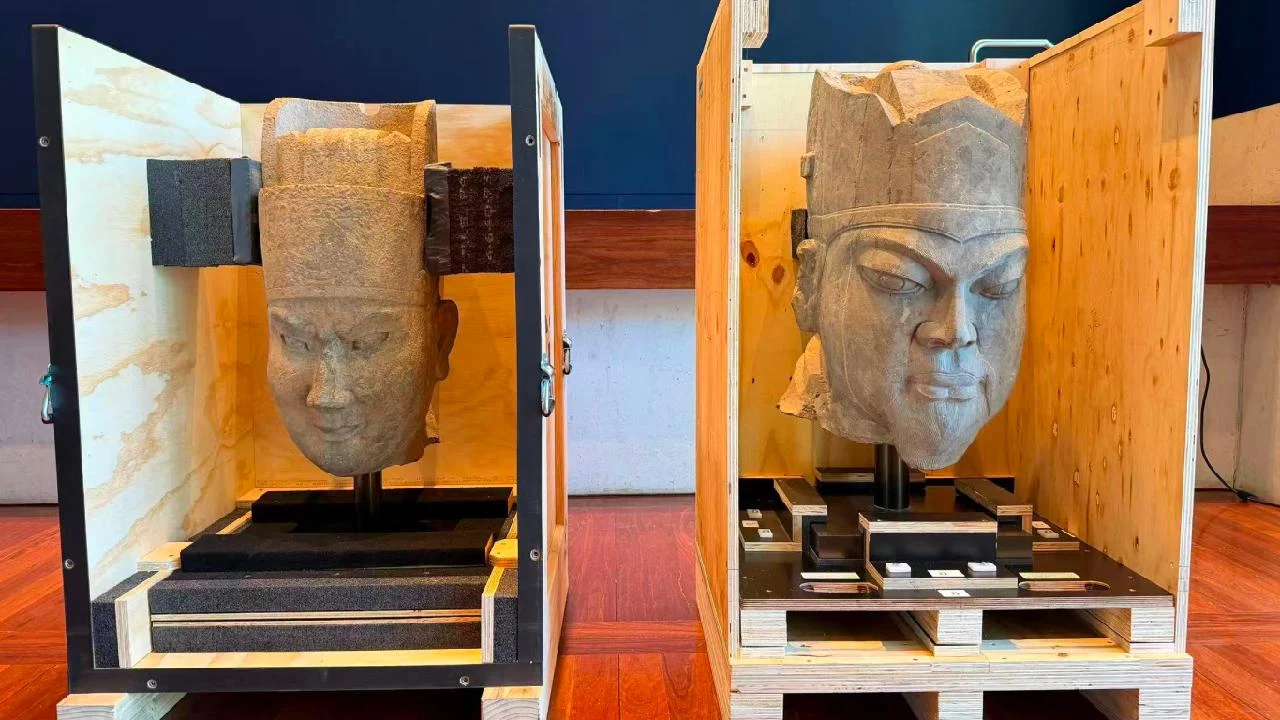
The case of China also illustrates the global nature of repatriation efforts. In October 2026, Australia returned two ancient Chinese cultural relics, the heads of a military official and a civil official from the Northern Song Dynasty, to China. These artifacts, made of limestone and originating from Henan Province, were handed over by the National Gallery of Australia to China’s National Cultural Heritage Administration. This event, while involving only two items, underscores the ongoing international cooperation and the commitment of some nations to address past acquisitions and return cultural property to its country of origin. Such instances demonstrate that repatriation is not limited to specific regions or types of artifacts but is a global phenomenon driven by a shared understanding of cultural heritage’s importance.
Challenges in the Repatriation Process
Despite the growing momentum, the process of cultural repatriation is fraught with challenges. One of the most significant hurdles is the lack of clear and consistent legal frameworks. As discussed, international conventions exist, but their enforcement can be weak, and national laws vary widely. This often leads to protracted legal battles, which can be expensive and emotionally draining for all parties involved.
Documentation and provenance are also major issues. Many artifacts were acquired long before modern record-keeping practices were established. Proving how an object left its country of origin, and whether it was done so legally or ethically, can be incredibly difficult. In some cases, the original records may have been lost or destroyed, leaving a gap in the historical narrative that is hard to bridge. This ambiguity often benefits the current possessor, as the burden of proof typically falls on the claimant.
The sheer volume of cultural property held in foreign institutions presents another challenge. Museums in Europe and North America house vast collections that represent centuries of acquisition. Even with the best intentions, the process of identifying, researching, and returning all potentially claimable items would be an enormous undertaking. This scale can lead to a sense of overwhelm and can slow down progress.
Furthermore, there are often differing interpretations of cultural ownership and heritage. While a nation may claim an artifact as its own, the object might have been created by an ethnic group that is now a minority within that nation, or it might have been traded or moved across borders historically. These complexities can lead to disputes not only between countries but also within countries, as different communities may have competing claims to the same heritage.
Finally, the financial and logistical aspects of repatriation can be daunting. Transporting fragile artifacts across continents requires specialized packing, insurance, and handling, which can be costly. For institutions that rely on their collections for revenue and public engagement, the decision to return significant items can also have financial implications. These practical considerations, while secondary to the ethical and historical arguments, are nonetheless real barriers that need to be addressed.
The Role of Museums and Institutions
Museums and cultural institutions are at the forefront of the repatriation debate, acting as both repositories of cultural heritage and potential sites of restitution. Historically, many of these institutions were built on the foundations of colonial collecting practices, amassing vast collections through expeditions, purchases, and donations, often without full consideration of the objects’ origins or the wishes of their source communities.
In recent decades, a significant shift has occurred within the museum world. Many institutions are now actively engaging with the ethics of their collections and are developing policies for provenance research and restitution. This has led to a more proactive approach, with some museums initiating their own research into the origins of their artifacts and engaging in dialogue with claimant countries and communities. This evolving perspective recognizes that museums have a responsibility not only to preserve and display but also to address historical injustices.
However, the process is not always smooth. Some museums face internal resistance to deaccessioning objects, fearing it could set a precedent or diminish their collections. Others grapple with the legal complexities, particularly when objects were acquired legally under past laws. The debate within the museum sector often centers on balancing the mission of public education and preservation with the ethical imperative of repatriation.
Collaborative approaches are increasingly being explored. Instead of outright returns, some institutions are opting for long-term loans, joint exhibitions, or shared custodianship agreements. These arrangements aim to allow artifacts to be displayed in their countries of origin while also remaining accessible to a global audience. The goal is to find solutions that respect the cultural significance of the objects for their source communities while also acknowledging the role museums can play in cultural exchange and education.
The development of digital archives and virtual exhibitions is another way museums are adapting. By digitizing their collections, institutions can make artifacts accessible online to a wider audience, potentially reducing the argument that physical presence in a foreign museum is the only way to ensure global access. This technology can also aid in provenance research by making images and data more widely available for study.
The Future of Cultural Repatriation
The landscape of cultural repatriation is continuously evolving, driven by increased global awareness, stronger advocacy from source communities and nations, and a growing ethical consciousness within collecting institutions. The trend towards greater transparency and accountability in museum practices is likely to continue, pushing more institutions to confront the legacies of their collections.
One of the key developments shaping the future is the increasing emphasis on community-led repatriation efforts. Indigenous groups and cultural organizations are becoming more empowered to advocate for their heritage, often utilizing international legal channels and public diplomacy to press their claims. This shift from state-to-state negotiations to more direct engagement with source communities is likely to lead to more culturally sensitive and effective repatriation outcomes.
The role of technology will also be significant. Advanced imaging techniques, DNA analysis, and digital archiving can provide new evidence for provenance research and help in identifying the origins of artifacts. Furthermore, virtual reality and augmented reality technologies could offer new ways for people to experience cultural heritage, potentially bridging the gap between the desire for access and the need for repatriation.
International cooperation is expected to deepen. As more countries ratify and implement conventions like the 1970 UNESCO Convention and the 1995 UNIDROIT Convention, there will be a more robust legal framework for addressing repatriation claims. Diplomatic efforts to resolve disputes and facilitate returns will likely become more common, fostering a spirit of collaboration rather than confrontation.
However, challenges will persist. The sheer scale of existing collections, the complexities of legal ownership, and differing national interests mean that repatriation will remain a long-term process. The debate over what constitutes “cultural heritage” and who has the ultimate right to it will continue to be a subject of discussion.
Ultimately, the future of cultural repatriation points towards a more equitable and respectful approach to managing the world’s shared cultural legacy. It is a journey towards acknowledging historical wrongs, strengthening cultural identities, and ensuring that the heritage of all peoples is preserved and celebrated in its rightful context. The recent return of artifacts, such as those from Australia to China, serves as a positive indicator of this ongoing global movement.
Conclusion
The repatriation of cultural artifacts is a critical aspect of global heritage management, reflecting a growing understanding of cultural ownership, historical justice, and ethical responsibility. From the colonial acquisitions of the past to contemporary disputes, the journey of these objects highlights the complex interplay of history, law, and ethics. As nations and communities continue to assert their rights to their heritage, and as museums increasingly engage with the provenance of their collections, the landscape of cultural restitution is steadily transforming.
The legal frameworks, while intricate, are becoming more robust, supported by international conventions and national legislation. Ethical considerations are increasingly guiding decisions, pushing for a more nuanced understanding of cultural significance and the impact of dispossession. Notable cases, from the Elgin Marbles to the Benin bronzes and the recent return of Chinese relics from Australia, serve as powerful examples of the ongoing efforts and the impact of successful repatriations.
Despite the significant challenges, including documentation issues, legal complexities, and the sheer volume of artifacts, the future of cultural repatriation appears to be one of increased collaboration, technological advancement, and a deeper commitment to rectifying historical injustices. The ongoing dialogue and actions taken by governments, institutions, and communities worldwide are paving the way for a more equitable and respectful stewardship of our shared global heritage, ensuring that cultural treasures are preserved and appreciated in their rightful contexts for generations to come.



Conversation
0 Comments