

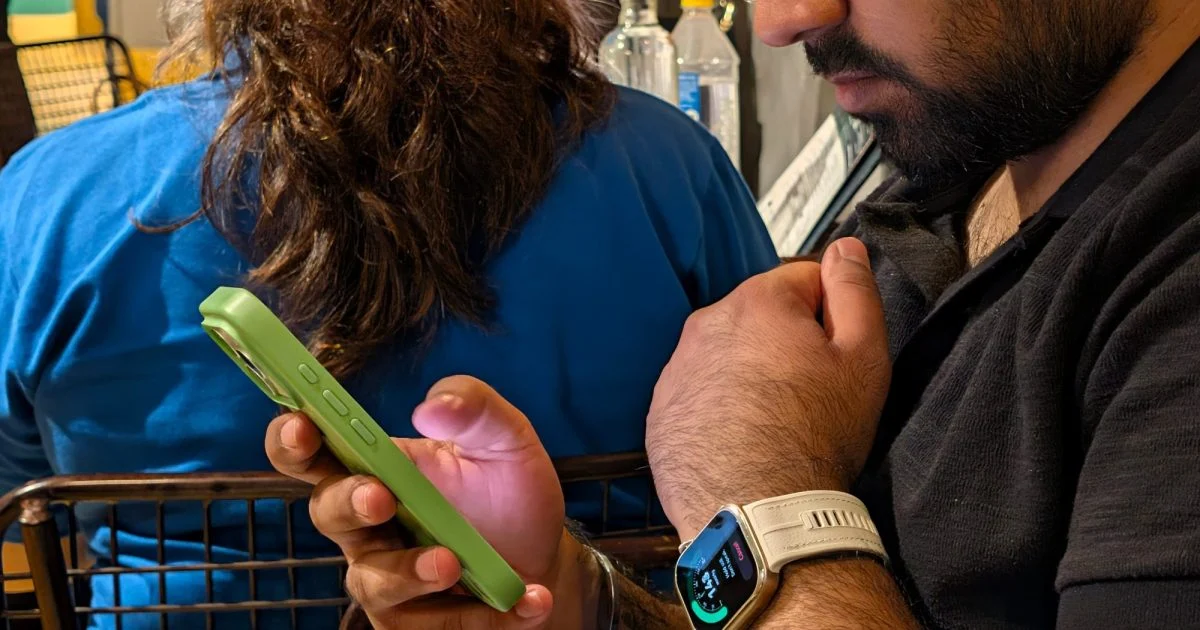
Wearable Technology: Predicting Health Crises Before They Happen
Wearable devices have evolved far beyond simple step counters. Today, smartwatches and fitness trackers are packed with advanced sensors capable of monitoring a wide range of health metrics. From tracking heart rate and sleep patterns to detecting signs of sleep apnea and even monitoring blood pressure, these devices are becoming increasingly sophisticated. A significant development in this area is the potential for wearables to predict serious health events, such as hypertensive crises, days in advance. This capability could offer a life-saving window for individuals to seek medical attention and manage their health proactively.
The primary keyword for this article is wearable technology. We will explore how these devices are moving beyond basic fitness tracking to become powerful tools for health monitoring and early crisis prediction.
The Evolution of Wearable Health Monitoring
Initially, wearable devices focused on basic fitness tracking, like counting steps and monitoring heart rate during exercise. However, rapid advancements in sensor technology and data analysis have dramatically expanded their capabilities. Modern wearables can now perform complex health assessments. For instance, some devices can take electrocardiogram (ECG) readings, which help detect irregular heart rhythms like atrial fibrillation. Others offer detailed sleep tracking, analyzing sleep stages and identifying potential issues like sleep apnea by monitoring breathing patterns and oxygen levels.
The integration of more advanced sensors has also led to the development of blood pressure monitoring in wearables. While early attempts were often estimations, newer devices are incorporating more accurate methods. The Huawei Watch D3, for example, features a micropump system that inflates a cuff around the wrist to take precise systolic and diastolic blood pressure measurements. This move towards clinical-grade accuracy in a consumer device marks a significant leap forward. As these devices gather more data, the potential for predictive health insights grows exponentially.
Predicting Hypertensive Crises with Wearables
A particularly groundbreaking area of research involves using wearable data to predict hypertensive crises. A hypertensive crisis is a sudden, severe spike in blood pressure that can lead to acute organ damage, stroke, kidney damage, or heart attack. These events are medical emergencies and are a common reason for emergency department visits.
Recent research, supported by the American Heart Association, suggests that mass-market wearable devices, when combined with artificial intelligence (AI), can predict these dangerous blood pressure spikes up to three days in advance. This study involved over 4,000 participants diagnosed with stage 2 high blood pressure. They wore both a portable cuff-style blood pressure monitor and a fitness tracker for 12 months. The fitness tracker monitored metrics like heart rate and heart rate variability (HRV), a measure increasingly linked to stress levels and overall well-being.
The AI model analyzed the data from both devices. It identified patterns that indicated an increased risk of a hypertensive crisis. Out of the thousands of participants, 312 experienced episodes of dangerously high blood pressure. The study found that individuals whose blood pressure did not decrease during sleep were five times more likely to experience a hypertensive crisis.
The Impact of Early Alerts
The implications of predicting a hypertensive crisis days in advance are profound. When participants received an alert from the AI-powered system and sought medical attention and proper medication within 24 hours, their chances of experiencing a hypertensive crisis decreased by 61%. Furthermore, emergency hospital visits related to these crises dropped by 45%. This demonstrates the tangible, life-saving impact of integrating advanced sensing technology with intelligent data analysis.
The research highlighted specific correlations. For example, a significant percentage of participants who received a positive alert from the system did experience a hypertensive crisis. Conversely, the vast majority of those who did not receive an alert remained crisis-free. This suggests a high degree of accuracy in the predictive capabilities of the AI model when fed with data from wearables and blood pressure monitors.
Limitations and Future Potential
While this research represents a major milestone, it’s important to acknowledge the current limitations. Wearable devices are not yet a complete replacement for medical-grade diagnostic equipment. Devices like the Apple Watch Series 12 and Samsung Galaxy Watch 9 can detect blood pressure fluctuations and alert users, but they often do not provide specific systolic and diastolic readings like traditional cuff-style monitors.
However, these wearables do collect a wealth of other valuable biomarkers, including heart rate, HRV, and blood oxygen saturation. The combination of these metrics, analyzed by sophisticated AI algorithms, can still provide crucial insights into a person’s health status. The Huawei Watch D3’s ability to measure actual blood pressure values is a step towards bridging this gap, offering more precise data directly from a wrist-worn device.
Healthcare professionals emphasize that while wearables are advancing rapidly, they should be viewed as powerful early warning systems and trend indicators rather than standalone diagnostic tools. They complement, rather than replace, traditional medical care. The ongoing development in wearable technology promises even more accurate and predictive health monitoring in the future.
Understanding Blood Pressure and Hypertensive Crises
High blood pressure, also known as hypertension, is a common condition where the force of blood against artery walls is consistently too high. Over time, this can damage blood vessels and vital organs, leading to serious health problems. When blood pressure rises to extremely high levels, it is called a hypertensive crisis. This is a medical emergency that requires immediate attention.
There are two main types of hypertensive crises:
- Hypertensive Urgency: Blood pressure is very high (e.g., 180/120 mmHg or higher), but there is no evidence of organ damage. Symptoms may include severe headaches, shortness of breath, nosebleeds, or severe anxiety. Treatment is needed, but it doesn’t usually require hospitalization.
- Hypertensive Emergency: Blood pressure is extremely high (e.g., 180/120 mmHg or higher) and there is evidence of acute damage to organs such as the brain, heart, kidneys, or eyes. Symptoms can be more severe and may include chest pain, confusion, vision changes, difficulty speaking, numbness or weakness, and shortness of breath. This requires immediate hospitalization and treatment to prevent permanent organ damage.
Factors Contributing to Hypertensive Crises
Several factors can contribute to the development of hypertensive crises, often in individuals who already have high blood pressure. These include:
- Non-adherence to Medication: Skipping doses or stopping prescribed blood pressure medication is a leading cause.
- Stress: Extreme emotional or physical stress can cause a sudden spike in blood pressure.
- Underlying Medical Conditions: Certain conditions like kidney disease, problems with the adrenal glands, or connective tissue disorders can affect blood pressure regulation.
- Drug Interactions or Substance Use: Use of certain illicit drugs (like cocaine or amphetamines), or even some over-the-counter medications or herbal supplements, can raise blood pressure dangerously.
- Pregnancy Complications: Conditions like preeclampsia and eclampsia can cause sudden, severe increases in blood pressure during pregnancy.
- Sudden Discontinuation of Certain Medications: Abruptly stopping medications like beta-blockers or clonidine can lead to rebound hypertension.
How Wearables Detect Risk Factors
Wearable technology can help identify individuals at risk by continuously monitoring several key physiological indicators. The research mentioned earlier focused on the interplay between blood pressure readings and heart activity metrics. Here’s how different metrics collected by wearables can contribute to predicting a crisis:
Heart Rate and Heart Rate Variability (HRV)
- Heart Rate: A consistently elevated resting heart rate can sometimes be an indicator of underlying stress on the cardiovascular system. While not a direct measure of blood pressure, it can signal that the body is under strain.
- Heart Rate Variability (HRV): This is the variation in time between heartbeats. A lower HRV is often associated with increased stress, both physical and mental, and can indicate that the body’s autonomic nervous system is not functioning optimally. A significant drop in HRV, especially when combined with other factors, could be an early warning sign.
Blood Pressure Trends
- Direct Measurement: Devices like the Huawei Watch D3 can directly measure blood pressure. Continuous or frequent monitoring can reveal trends that might not be apparent from occasional manual readings. For example, a pattern of blood pressure not decreasing during sleep is a significant risk factor.
- Indirect Estimation: Other smartwatches estimate blood pressure trends using optical sensors and algorithms. While less precise than cuff-based methods, these estimations can still highlight concerning patterns over time.
Sleep Quality and Patterns
- Sleep Apnea Indicators: Some wearables can detect pauses in breathing during sleep, which is a symptom of sleep apnea. Untreated sleep apnea is a known contributor to high blood pressure.
- Sleep Stage Analysis: Poor sleep quality or disrupted sleep patterns can increase stress on the body and affect blood pressure regulation. Wearables that track sleep stages can identify these issues.
Other Biomarkers
- Blood Oxygen Saturation (SpO2): Low blood oxygen levels, particularly during sleep, can be linked to cardiovascular issues.
- Activity Levels: Sudden changes in activity patterns or prolonged periods of inactivity, when analyzed alongside other data, might offer additional context.
By analyzing these diverse data points collectively, AI algorithms can identify subtle deviations from an individual’s baseline that may precede a hypertensive crisis.
The Role of Artificial Intelligence (AI)
Artificial intelligence is the engine that transforms raw data from wearables into actionable health insights. The sheer volume of data collected by modern wearables would be overwhelming for humans to analyze effectively. AI algorithms, particularly machine learning models, are trained on vast datasets to recognize complex patterns and correlations that are often invisible to the naked eye.
In the context of predicting hypertensive crises, AI can:
- Identify Baseline Patterns: Learn an individual’s normal physiological ranges for heart rate, HRV, and blood pressure trends.
- Detect Deviations: Recognize when these metrics start to deviate significantly from the established baseline.
- Correlate Multiple Metrics: Understand how changes in heart rate, HRV, sleep, and blood pressure interact with each other. For example, it can identify that a rising heart rate combined with a lack of blood pressure dip during sleep is a high-risk scenario.
- Predict Future Events: Based on learned patterns and current deviations, forecast the likelihood of a specific event, like a hypertensive crisis, occurring within a defined timeframe (e.g., the next 24-72 hours).
- Generate Alerts: Trigger timely notifications to the user and potentially their healthcare provider when a high-risk prediction is made.
The accuracy and effectiveness of these AI models are continuously improving as more data is collected and algorithms are refined. This symbiotic relationship between advanced hardware (wearables) and sophisticated software (AI) is paving the way for a new era of personalized and predictive healthcare.
What This Means for Individuals with High Blood Pressure
For individuals diagnosed with high blood pressure, the advent of predictive wearable technology offers a significant advantage in managing their condition. Instead of reacting to symptoms or relying solely on scheduled doctor’s appointments, they can become more proactive in their health management.
Here’s how individuals can benefit:
- Early Intervention: Receiving an alert days before a potential crisis allows for timely medical consultation. This can involve adjusting medication, managing stress, or addressing other contributing factors under professional guidance.
- Empowerment and Control: Having access to real-time health data and predictive insights can empower individuals to take a more active role in their health. They can better understand what lifestyle choices or physiological changes might be impacting their blood pressure.
- Reduced Healthcare Burden: By preventing hypertensive crises, individuals can avoid costly and stressful emergency room visits and hospitalizations. This also reduces the overall burden on the healthcare system.
- Improved Quality of Life: Proactive management and the avoidance of severe health events can lead to a better overall quality of life, reducing anxiety associated with the condition.
It is crucial for individuals to discuss the use of wearable devices with their healthcare providers. While these devices offer powerful insights, they should be used in conjunction with regular medical check-ups and professional advice. The data from wearables can provide valuable context for doctor’s appointments, leading to more informed treatment decisions.
The Future of Wearable Health Prediction
The research into using wearables for predicting hypertensive crises is just one example of the expanding capabilities of this technology. We can anticipate further advancements in several areas:
- Broader Range of Predictable Conditions: Beyond blood pressure, future wearables might predict other critical events like heart attacks, strokes, or diabetic emergencies by analyzing a wider array of biomarkers and complex physiological interactions.
- Increased Accuracy and Clinical Validation: As more studies are conducted and devices are refined, the accuracy of these predictions will improve. We will likely see more wearables receiving regulatory approval for medical use, not just as wellness devices.
- Integration with Electronic Health Records (EHRs): Seamless integration of wearable data into patients’ EHRs will allow healthcare providers to have a more complete and continuous view of their patients’ health, facilitating better diagnosis and treatment.
- Personalized Health Coaching: AI-powered platforms could offer personalized health coaching based on wearable data, guiding users on diet, exercise, sleep, and stress management to optimize their health and prevent illness.
- Remote Patient Monitoring: Wearables will play an increasingly vital role in remote patient monitoring, allowing individuals with chronic conditions to be managed effectively from the comfort of their homes, reducing the need for frequent clinic visits.
The journey of wearable technology from simple fitness trackers to sophisticated health predictors is a testament to human innovation. As these devices become more integrated into our daily lives, they hold the promise of transforming healthcare from a reactive system to a proactive and preventative one, ultimately leading to longer, healthier lives.
Conclusion
The integration of advanced sensors and artificial intelligence into wearable devices is revolutionizing personal health monitoring. The ability of these technologies to predict serious health events, such as hypertensive crises, days in advance represents a significant leap forward. By continuously tracking vital metrics like heart rate, HRV, and blood pressure, and analyzing these data points with sophisticated AI, wearables can provide early warnings that empower individuals to seek timely medical intervention. While not a replacement for professional medical care, this predictive capability offers a powerful tool for managing chronic conditions like high blood pressure, potentially saving lives and improving overall well-being. As wearable technology continues to evolve, its role in proactive and preventative healthcare will undoubtedly expand, ushering in a future where health crises can be anticipated and averted before they occur.


Conversation
0 Comments